Ancient ruins, cliffside villages, long lunches and a new country almost every morning: our advisors’ playbook for planning a Mediterranean cruise that fits the way you travel.
Photo: Matthew Waring / Unsplash
Picture breakfast on your balcony as the ship glides past Santorini’s white villages. By lunch you’re sipping a crisp local white in a shaded square, and tomorrow brings a new language and a new cuisine. The Mediterranean packs thousands of years of history into one sea, and a cruise lets you sample it all while unpacking just once.
The choices here are endless, so this guide covers what we tell our own clients.
The real trade-off is crowds and heat versus cooler days and calmer ports.
Our take: Late May, June and September hit the sweet spot. July and August suit families with school-age kids who plan around the heat.
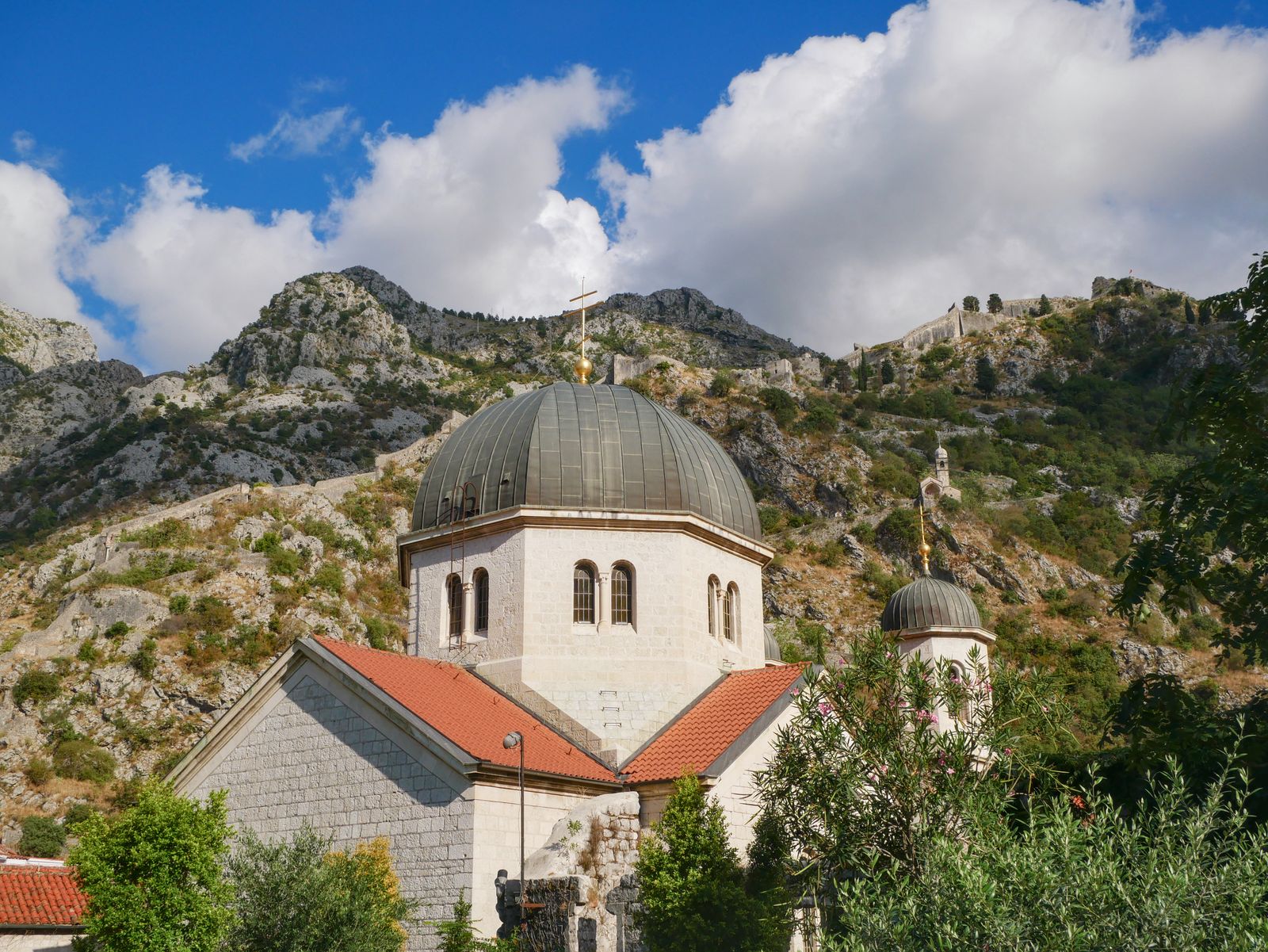
Photo: Lena Netkach / Pexels
Western Mediterranean sailings trace a coastline of great cities: Barcelona’s modernista boulevards, the ports of Provence and the Riviera, La Spezia for the Cinque Terre, Livorno for Florence and Pisa, and Civitavecchia for Rome. Distances between these ports are short, so ships often sail overnight and arrive each morning, and the shift from Catalan to French to Italian culture happens almost daily. Corsica, Sardinia, Sicily and the Balearic Islands add beaches and a more rugged side of the region.
Eastern and Adriatic routes feel older and wilder. The coasts of Croatia and Montenegro are lined with walled towns from the centuries of Venetian influence, and the Bay of Kotor winds deep into Montenegro’s mountains, with fortifications zigzagging up the slopes above Kotor’s old town, a UNESCO World Heritage site. Farther east, the Greek islands scatter across the Aegean, each with its own character, and Türkiye’s coast leads to Ephesus, one of the best-preserved Greco-Roman cities anywhere in the Mediterranean.
This route links Spain, the French Riviera and Italy, often with Mallorca or Sicily. Most sailings start in Barcelona or Civitavecchia, and close-together ports mean few sea days. It’s a great first Med cruise.
These itineraries center on Greece and Türkiye, sometimes adding Cyprus or Malta. Expect ancient sites such as Ephesus and Rhodes, plus Istanbul on select sailings.
Island-hopping routes run from Athens to Mykonos, Santorini and Crete. Adriatic sailings link the Venice area, Trieste or Ravenna with Croatia and Montenegro.
These voyages link Lisbon with southern Spain, often calling at Cádiz for Seville, Málaga for Granada, and Gibraltar.
Getting there: Fly into Barcelona, Rome Fiumicino, Athens, Venice, Lisbon or Istanbul at least a day early. Large ships no longer sail past St. Mark’s Square, so “Venice” sailings use mainland berths or start in Trieste or Ravenna. U.S. citizens can visit Schengen countries visa-free for up to 90 days with a passport valid three months beyond your departure from the Schengen area, and you’ll register fingerprints and a photo under the EU’s Entry/Exit System on first entry. The planned ETIAS authorization isn’t required yet. Türkiye and Montenegro set their own rules, which we’ll confirm.
Nearly every major line sails the Mediterranean. Fleets and itineraries change each season, so we’ll confirm which ships sail on your dates.
Plenty of restaurants, pools, shows and kids’ clubs, great for families and first-time cruisers.
Lines to know: The biggest family-friendly lines, including European-based brands that homeport here year-round.
Expect more refined dining, quieter spaces and longer port stays. A good fit for couples and food lovers.
Lines to know: Several premium and destination-focused lines, plus an adults-only option.
Fewer guests, spacious suites and polished service, with fares that often bundle drinks, gratuities and excursions. Smaller ships also reach harbors like Portofino and Hydra.
Lines to know: Most of the leading luxury lines, plus newer ultra-luxury brands.
The Med’s specialty: yachts and tall ships that anchor in quiet coves and stay late in places like Saint-Tropez and Capri. A luxury hotel brand launched its first yacht here in March 2026.
Lines to know: Small luxury yacht lines, hotel-brand yacht collections, a French small-ship line and tall-ship specialists.
Advisor tip: As independent affiliates of Fora Travel, we can often add amenities on select sailings, such as onboard credit or special experiences. You won’t get these by booking on your own.
Barcelona is the capital of Catalonia, and its own language, flag and traditions are everywhere, from street signs in Catalan to the sardana circle dance performed in front of the cathedral on weekends. The Gothic Quarter is the heart of the medieval city, a tangle of lanes built over the remains of the Roman town of Barcino. Its much-photographed neo-Gothic bridge over Carrer del Bisbe looks centuries old but actually dates from the 1920s, a reminder that this city has always loved a bit of theater.
Antoni Gaudí and his fellow modernista architects turned the nineteenth-century Eixample district into an open-air gallery, with Casa Batlló and Casa Milà on Passeig de Gràcia and the Sagrada Família rising above it all. Food mixes tradition and invention: pa amb tomàquet, bread rubbed with ripe tomato and olive oil, sits beside creative tapas, and the Boqueria market off La Rambla overflows with jamón, seafood and fruit. Many sailings begin or end here, which makes a night or two in the city before boarding easy to arrange.
Beaches, Gothic lanes and Gaudí’s dreamlike buildings make Barcelona a superstar port. In February 2026, the Sagrada Família’s central tower reached its full height, though interior work continues. Standout excursion: Take a timed-entry visit to the basilica, then wander the Gothic Quarter for tapas.
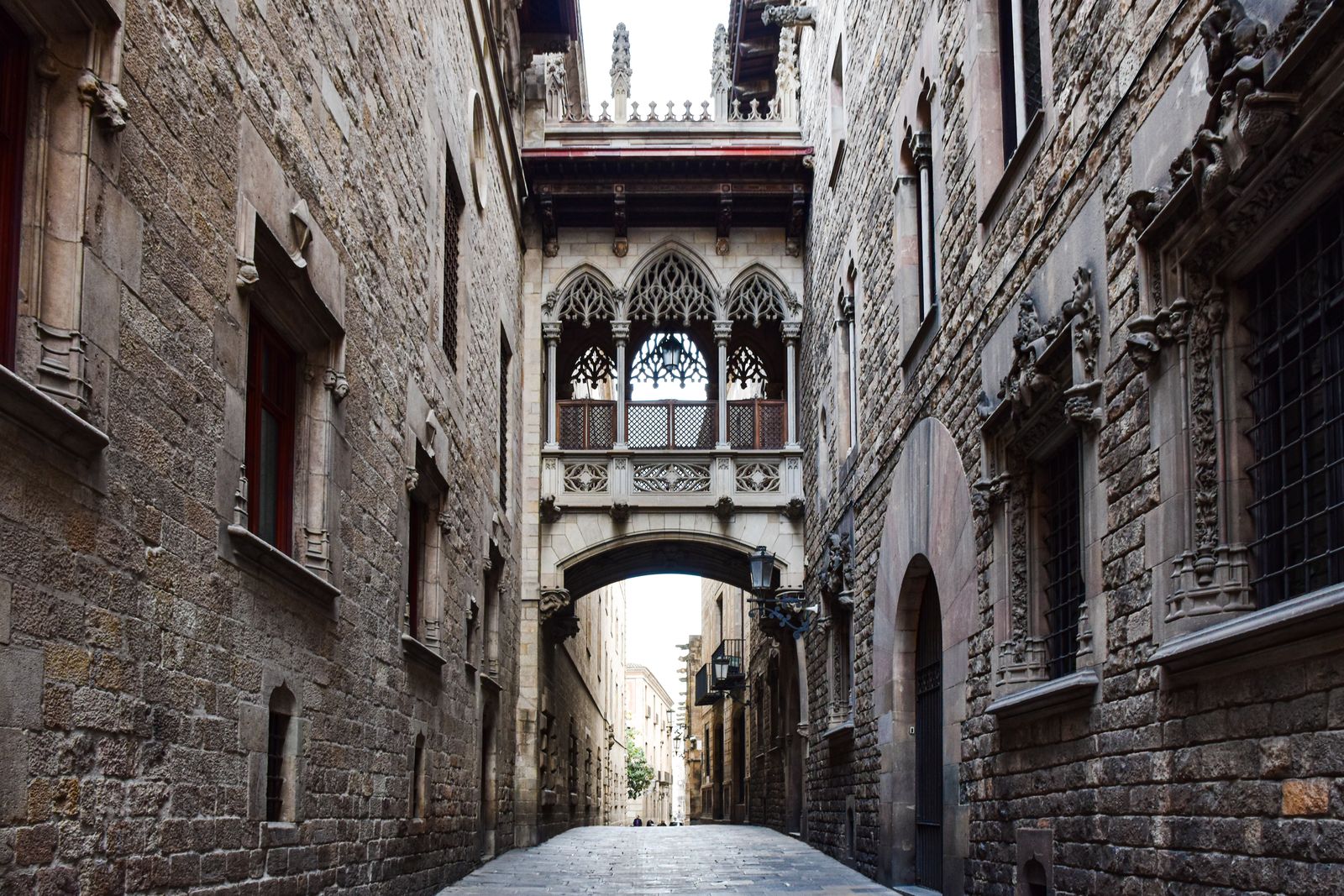
Photo: AXP Photography / Pexels
Civitavecchia has served as Rome’s port since the early second century, when Emperor Trajan ordered a harbor built on this stretch of coast. Today the town is mostly a gateway, and the day’s real decision is how to tackle the capital in the hours available. The Colosseum opened in AD 80 and held tens of thousands of spectators for gladiator contests and public spectacles. Next door, the Roman Forum and Palatine Hill reveal the political and imperial heart of the ancient city.
A day in Rome rewards a clear focus. Vatican City, the world’s smallest independent state, holds St. Peter’s Basilica and the Vatican Museums, home to Michelangelo’s Sistine Chapel ceiling. Baroque Rome, with Piazza Navona, the Pantheon and the Spanish Steps, is best enjoyed on foot. For lunch, the city’s classic pastas are cacio e pepe, carbonara, amatriciana and gricia, and supplì, fried rice balls with a molten mozzarella center, make an ideal snack on the move. St. Peter’s and many Roman churches require covered shoulders and knees.
Rome is roughly 90 minutes away by road or rail, so plan your day carefully. Standout excursion: Take a guided tour of the Colosseum and Roman Forum, or an early-entry visit to the Vatican Museums. Book either well ahead.

Photo: Matteo del Piano / Unsplash
The Amalfi Coast, a UNESCO World Heritage site, runs along the southern edge of the Sorrento Peninsula, where towns like Positano tumble down the cliffs in pastel tiers toward small pebble beaches. In the Middle Ages, Amalfi was a powerful maritime republic trading across the Mediterranean, and its cathedral, with a striped facade and an Arab-Norman cloister, recalls that wealth. Terraced groves grow the large, fragrant lemons used for limoncello, and the narrow coastal road is famous for its hairpin bends and sweeping sea views.
Naples itself deserves more than a quick transfer. Its historic center, also on the UNESCO list, is dense with churches, street shrines and market stalls, and the National Archaeological Museum holds many of the finest mosaics and frescoes recovered from Pompeii and Herculaneum. Vesuvius looms across the bay; its eruption in AD 79 buried both towns, preserving streets, bakeries and homes in astonishing detail. Herculaneum is smaller and often less crowded than Pompeii, and a Neapolitan pizza, with its soft, blistered crust, is the essential lunch.
Lively Naples, the birthplace of pizza, is the gateway to some of Italy’s most famous scenery. Standout excursion: Walk the excavated streets of Pompeii, or cruise the coast past Positano and Amalfi. Capri is a short ferry ride away.

Photo: Letizia Agosta / Unsplash
Marseille leads to Aix-en-Provence and the limestone inlets of the Calanques. Villefranche-sur-Mer and Nice put Monaco within easy reach. Standout excursion: Explore the hilltop village of Èze, then continue to Monte Carlo.
Athens has been inhabited for more than three thousand years, and the Acropolis crowns it as the symbol of its golden age in the fifth century BC, when the Parthenon was built in honor of the city’s patron goddess, Athena. Below the hill, the Ancient Agora, the Theater of Dionysus and the old Plaka neighborhood let you walk through layers of history, and the Acropolis Museum displays original sculptures in galleries that look up at the temple itself. Piraeus has served as the city’s port since antiquity, when the Long Walls linked the two.
The Greek islands each have their own personality. Mykonos is known for whitewashed lanes, windmills and late nights, while Rhodes keeps one of Europe’s best-preserved medieval old towns, built by the Knights of St. John. On Crete, the largest island, the ruins of Knossos recall the Bronze Age Minoan civilization. Greek food is simple and seasonal: grilled fish, horiatiki salad of tomato, cucumber, olives and feta, slow-cooked lamb and honey-soaked pastries, best enjoyed at a waterfront taverna as the afternoon heat fades.
The Parthenon watches over a bustling modern capital just a short drive from the port. Standout excursion: Reach the Acropolis early, then cool off in the Acropolis Museum. The site sometimes closes for a few hours on very hot afternoons.

Photo: Constantinos Kollias / Unsplash
Ships anchor inside a flooded volcanic caldera, and you’ll take a tender to shore. The island now caps daily cruise visitors, and the cable car up to Fira often has long lines. Standout excursion: Tour the Bronze Age site of Akrotiri, then stay for an Oia sunset if your ship departs late.
Dubrovnik was once the Republic of Ragusa, an independent maritime state that rivaled Venice in trade and diplomacy for centuries. Its walls run for nearly two kilometers around the old town, and walking the full circuit gives views over terracotta roofs and the open Adriatic. The main street, Stradun, is paved in limestone polished smooth by centuries of footsteps. Much of the city was rebuilt after an earthquake in 1667 and restored again after shelling in the early 1990s, and the old town has been a UNESCO World Heritage site since 1979.
The southern Adriatic rewards slow exploring. The wooded island of Lokrum is a short boat ride from Dubrovnik’s old harbor, and the nearby Pelješac Peninsula is known for the oysters of Ston and its bold Plavac Mali red wines. Farther south, the waterfront village of Perast and the old town of Kotor make a spectacular follow-on port. Early autumn is an especially good time for this stretch, when the sea is still warm enough for swimming and the narrow streets are quieter than in midsummer.
Massive medieval walls wrap this limestone old town. The city limits how many ships and cruise passengers can be in port at once. Standout excursion: Walk the full circuit of the walls early, then ride the cable car up Mount Srđ.

Photo: Geio Tischler / Unsplash
The sail-in through the Bay of Kotor, with mountains rising above waterfront villages, is one of Europe’s most dramatic. Standout excursion: Climb the fortress walls above the old town, or take a boat to the island church of Our Lady of the Rocks.

Photo: Tom Podmore / Unsplash
A few nights in a gateway city helps you beat jet lag and see the sights at your own pace.
Try jamón and cava in Spain, bouillabaisse and rosé in Provence, and limoncello on the Amalfi Coast. In Greece, order grilled octopus and Assyrtiko from Santorini’s volcanic vineyards. Lunch is the main event here, so leave room for it.
Late May, June and September balance warm weather with manageable crowds. July and August are the hottest and busiest.
You need a valid passport. U.S. citizens don’t need a visa for short visits to Schengen countries or Türkiye, but rules vary by nationality and can change, so we’ll check your itinerary.
Pick the Western Med for Spain, France and Italy with lots of port time. Pick the Eastern Med for Greek islands, ancient sites and Türkiye.
With ship tours, the ship will wait if your group runs late. Private guides offer more flexibility. We often mix the two.
Seven nights covers one region’s highlights. With 10 to 14 days, you can add a city stay before or after.
The right season, route and ship, plus the guides and timed tickets that sell out first, make a Mediterranean cruise great. Planning all that is our specialty. As independent affiliates of Fora Travel with IATAN accreditation, the Novera Travel team will match you with the right line and itinerary and look for added amenities on select sailings. We’ll handle every detail on the ground, from excursions to a Roman hotel before you sail.
Novera Travel will be happy to arrange your international flights when you’re traveling first class.
Call +1 33 22 NOVERA – +1 (332) 266-8372 or email info@noveratravel.com
Prefer to reach out another way? Visit our Contact page.