Belle Époque promenades, hilltop villages above a sapphire sea and the painters’ light that made the Côte d’Azur famous: our advisor’s playbook for a Riviera trip that feels effortless.
Photo: Lucas Mota / Pexels
Few coastlines pack so much glamour, history and natural beauty into such a short stretch of shore. Between Saint-Tropez and the Italian border, the Alps tumble almost straight into the Mediterranean, leaving room for palm-lined promenades, fishing harbors and medieval villages clinging to rock. In a single day you can browse a flower market in Nice, lunch in a perched village and watch the sunset from Monaco’s harbor.
The Riviera has inspired artists for well over a century. Matisse, Chagall, Picasso, Renoir and Cocteau all lived and worked here, drawn by the clear light and intense color, and their museums and chapels are among the region’s great treasures. Add Niçoise cooking, rosé from the hills behind Saint-Tropez and the perfume heritage of Grasse, and the Côte d’Azur rewards curious travelers as much as sun seekers.
The coast enjoys a Mediterranean climate, with hot, dry summers and mild, sunny winters sheltered by the mountains behind.
Our take: For a first trip, aim for late May, June or September. If you’re drawn by art, gardens and village walks rather than beach days, the shoulder months and even midwinter can be wonderful.
Nice makes an ideal hub. It has the region’s main airport and rail station, and trains and buses reach Monaco, Menton, Antibes and Cannes in well under an hour. Many travelers spend most nights in or near Nice, then move to Cannes, the Cap d’Antibes or the Saint-Tropez peninsula for a few final days. Two bases mean less unpacking and shorter day trips.
The coastal rail line, run by France’s national railway, SNCF, links Cannes, Antibes, Nice, Villefranche, Monaco and Menton with frequent regional TER trains, and it’s often faster than driving in summer traffic. A private driver is the easiest way to reach perched villages such as Èze and Saint-Paul-de-Vence, or to drive the dramatic Corniche roads. Saint-Tropez has no train station, so plan a car, a driver or a seasonal boat from nearby harbors.
Many Mediterranean cruises call at Villefranche, Nice, Cannes or Monaco, and passengers often reach shore by tender boat. Read our Mediterranean Cruises guide for itinerary ideas, and allow a pre- or post-cruise night or two in Nice to see more than a single port day allows.
Travel advisory: The US State Department rates both France and Monaco at Level 2, “Exercise Increased Caution,” in advisories issued May 28, 2025, citing terrorism and unrest. Neither country has any higher-level areas, and nothing on our Riviera itineraries is affected. Read the full advisory on travel.state.gov and enroll in the Smart Traveler Enrollment Program (STEP) before you go. Petty theft is the most common issue, so keep phones and wallets secure on beaches, trains and in crowded old towns.
Palatial hotels from the Riviera’s golden age line the seafronts of Nice, Cannes and Monte-Carlo, with sea-view balconies, gracious service and easy walks to promenades and old towns. They suit first-timers and travelers celebrating something special.
Secluded properties on the Cap Ferrat and Cap d’Antibes peninsulas pair pine-shaded gardens with private sea access and quiet nights, a lovely choice for couples and honeymooners.
Small, stylish inns in Èze, Saint-Paul-de-Vence and the hills above Saint-Tropez trade beach access for views, terraced gardens and village evenings once the day-trippers leave.
Private villas in the hills and apartments in Nice’s old town give families and groups space, kitchens and often a pool.
Advisor tip: As independent affiliates of Fora Travel, we can often add amenities at select properties, such as daily breakfast, room upgrades when available or a property credit.
Nice was founded by Greek traders as Nikaia, grew into the Roman town of Cemenelum in the hills of Cimiez, and belonged for centuries to the House of Savoy before voting to join France in 1860. That layered past gives the city an Italianate soul: ochre and rose façades, baroque churches and a dialect still heard in the markets. In the 18th and 19th centuries, wealthy English families wintered here, and their community funded the seafront path that became the Promenade des Anglais. UNESCO now lists the city’s winter-resort heritage.
Start in Vieux Nice, the old town, where the Cours Saleya flower and produce market fills each morning except Monday, when antiques dealers take over. Climb Castle Hill for the view over the Baie des Anges and the old port pictured above, then head up to Cimiez for the Matisse Museum and the nearby Chagall museum, devoted to his Biblical paintings. Matisse lived in Nice for much of his later life and is buried at Cimiez. Standout experience: A guided food walk through the old town, tasting socca hot from the oven.
Nice is also the capital of Riviera cooking. Look for socca, a crisp chickpea pancake, pissaladière, an onion tart topped with anchovies and olives, pan bagnat, a hearty tuna sandwich, and petits farcis, vegetables stuffed with herbs and meat. The real salade niçoise has no boiled potatoes, and locals will tell you so. In the evening, the promenade fills with strollers, cyclists and skaters, and the sea turns lilac as the lights come on along the bay.
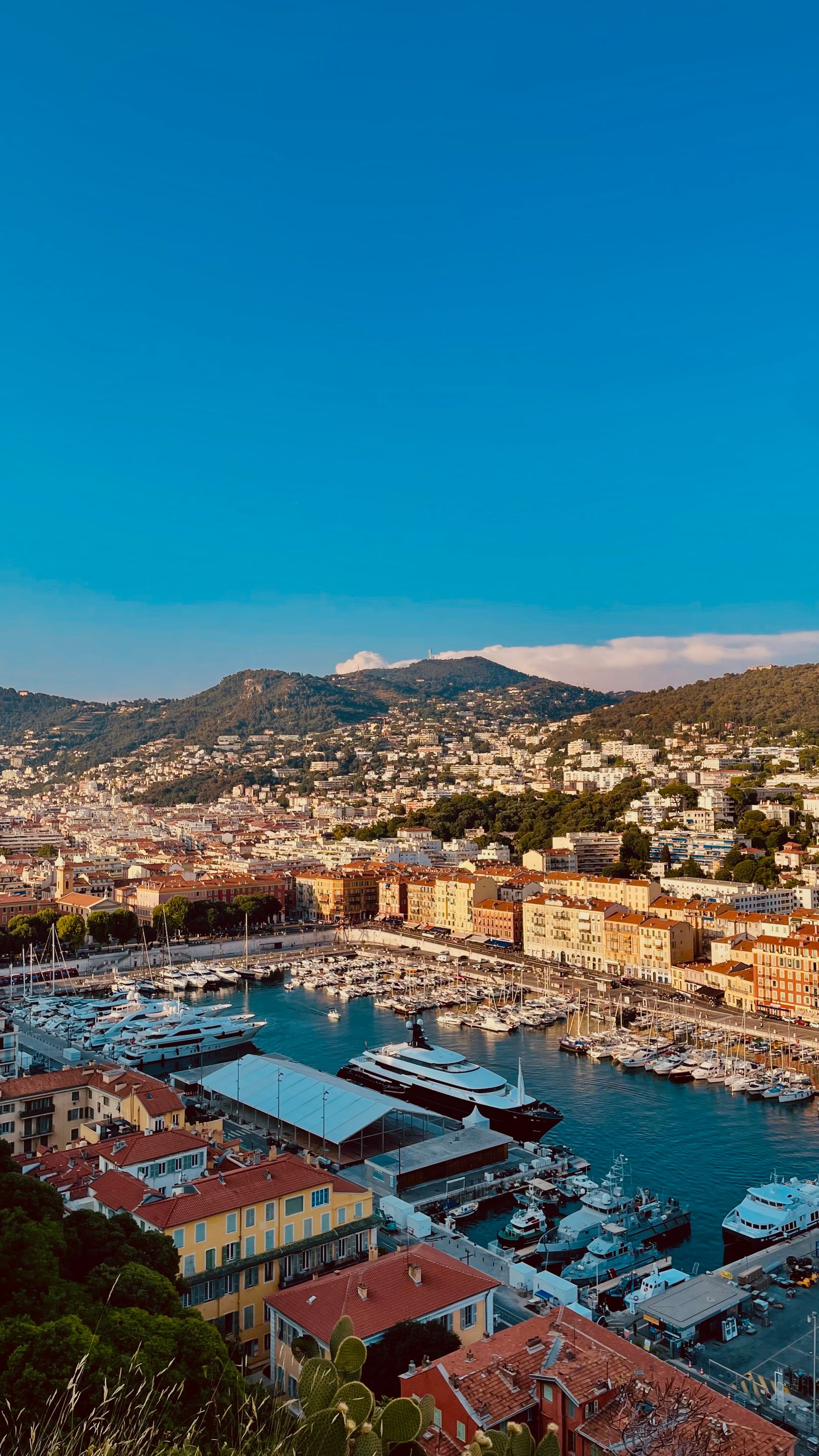
Photo: Reece t / Pexels
Just east of Nice, Villefranche wraps around one of the deepest natural harbors on the Mediterranean, its pastel houses stacked above a fishing port and a 16th-century citadel. Jean Cocteau decorated the little fishermen’s chapel by the water with his drawings in the 1950s, and the covered medieval street of Rue Obscure runs beneath the old town. It’s a gentle, unhurried base, and a favorite stop for cruise ships, which anchor in the bay.
Across the bay, the Cap Ferrat peninsula is a world of pine woods, hidden villas and coastal footpaths. Walk the shoreline trail around the tip of the cape, swim from a rocky cove, or visit the Belle Époque villa and themed gardens built by Béatrice Ephrussi de Rothschild, now open as a museum. The village of Saint-Jean-Cap-Ferrat has a small harbor lined with seafood restaurants.
Three roads link Nice and Menton, each stacked higher on the mountainside. The Basse Corniche hugs the shore through the seaside towns, the Moyenne Corniche runs past Èze, and the Grande Corniche, built in Napoleon’s time along part of an ancient Roman route, climbs to La Turbie, where a monument raised for the emperor Augustus has stood for two thousand years. Each offers a different view of the coast, and the high road is spectacular at sunset.
Èze is the classic village perché, a medieval stronghold built on a rocky peak some 400 meters above the sea. Its stone lanes, arches and stairways are closed to cars, and every turn frames a view over the Mediterranean. At the summit, the ruins of the castle now hold an exotic garden of cacti and succulents, with a panorama that stretches along the coast to the Saint-Tropez peninsula on clear days. Standout experience: Arrive early or late to enjoy the lanes in near silence.
For a memorable descent, take the steep path from the village to the seaside below, known as the Nietzsche Path, after the philosopher who walked it while working on Thus Spoke Zarathustra. It takes about an hour downhill through pines and scented scrub, and you can return to Nice by train from Èze-sur-Mer. Wear sturdy shoes and carry water, and save the climb back up for cooler months.
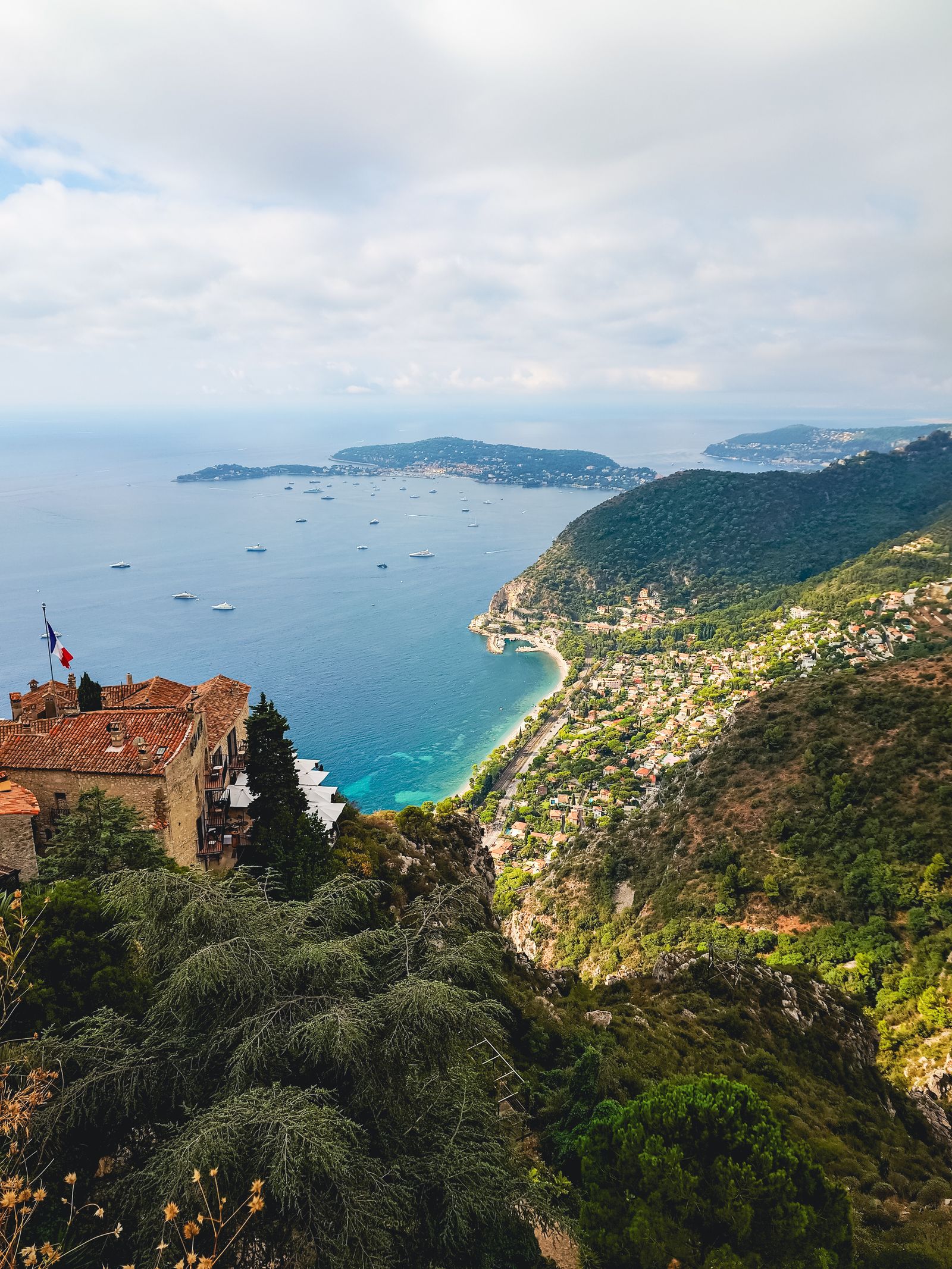
Photo: Atai Anarbek / Pexels
The world’s second-smallest country after the Vatican, Monaco has been ruled by the Grimaldi family since 1297, when, according to legend, François Grimaldi entered the fortress disguised as a monk. The old town sits on the Rock, a headland crowned by the Prince’s Palace, where the guard changes each day just before noon. Nearby stand the cathedral, where Princess Grace and Prince Rainier III are buried, and the cliff-top Oceanographic Museum, founded by Prince Albert I and later directed by Jacques Cousteau.
Below the Rock, Monte-Carlo is pure Belle Époque. Its casino square, framed by gardens and grand façades, is a landmark in its own right, and the opera house beside it was designed by Charles Garnier, the architect of the Paris Opera. Monaco is easy to explore on foot, linked by public elevators and escalators. The Grand Prix has run through its streets since 1929, usually in May. Standout experience: Watch the changing of the guard, then walk down to the harbor for a late lunch.
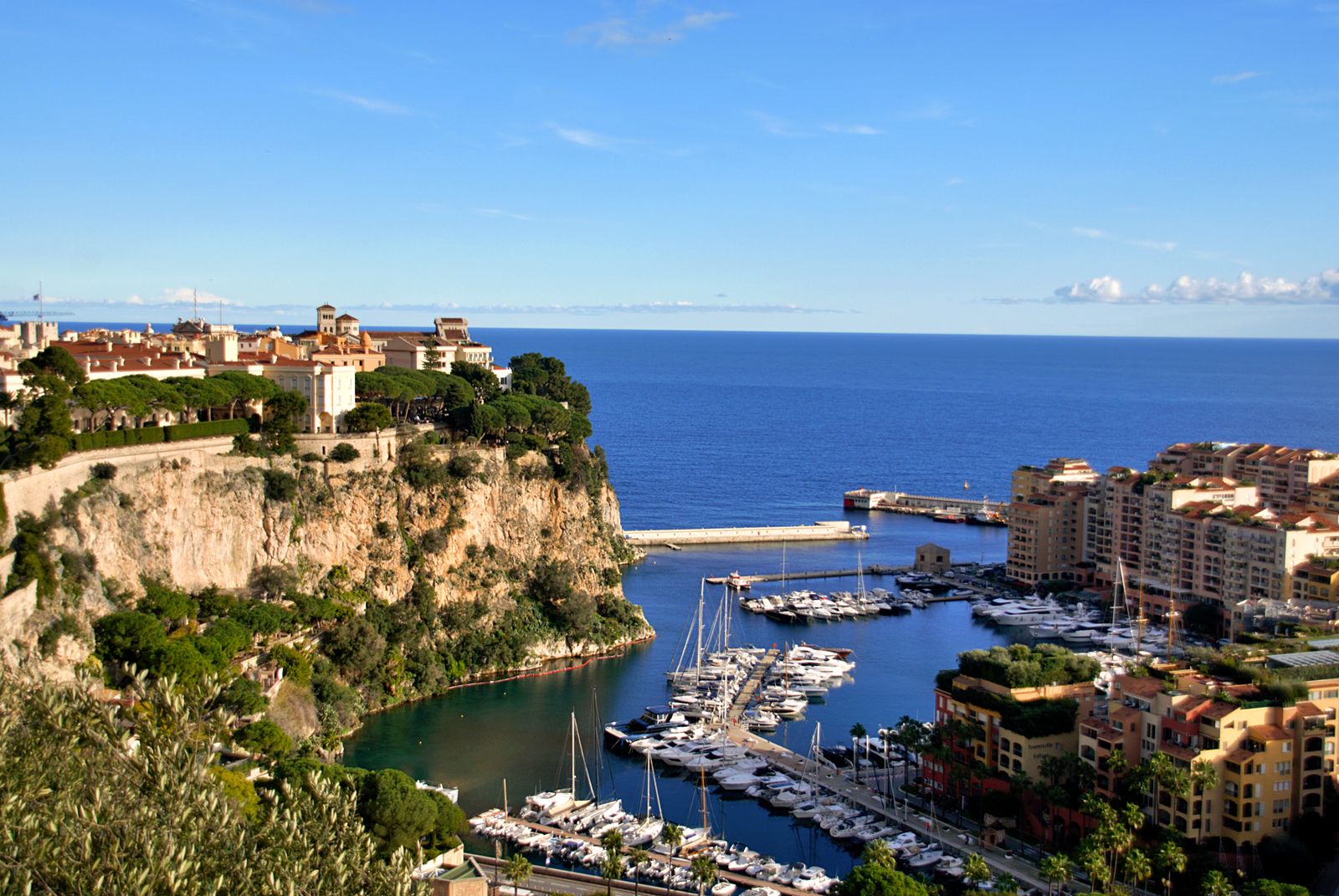
Photo: Raouf Meftah / Pexels
The last French town before Italy, Menton has a mild, sheltered climate that once drew winter visitors from across Europe and still nourishes lemon groves and lush gardens. Its old town rises in a cascade of yellow, orange and pink houses to the baroque Basilica of Saint-Michel-Archange, and its wide square hosts summer concerts. The town feels gentler and more local than its neighbors, with long pebble beaches and easy walks along the sea.
Menton is famous for its lemons, celebrated each February at the Lemon Festival, when floats and giant sculptures are built from citrus fruit. Jean Cocteau loved the town, and a museum by the sea displays his work. Gardeners will enjoy its botanical gardens, home to tropical and subtropical plants. Just across the border, the Italian town of Ventimiglia makes an easy half-day trip by train.
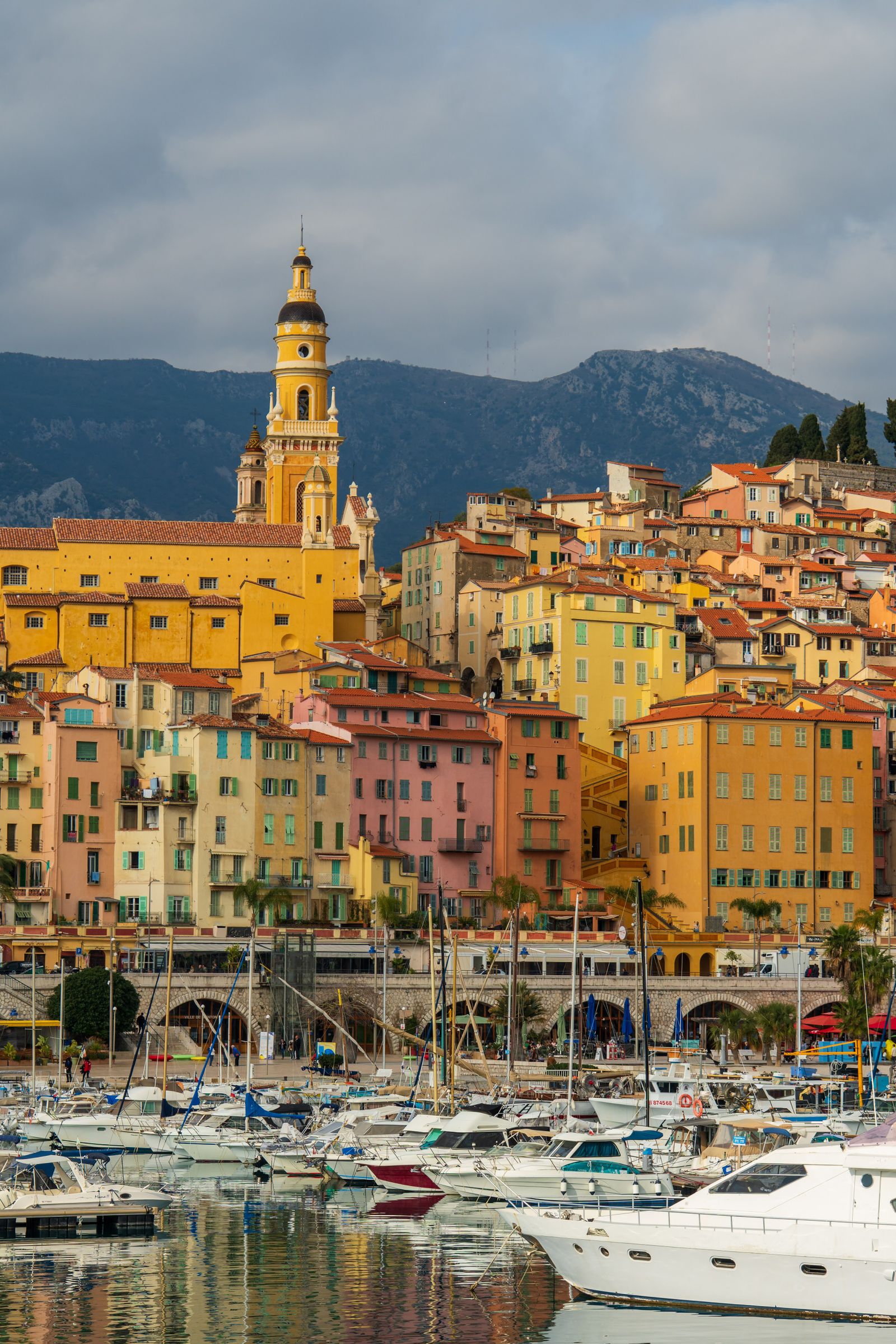
Photo: Justinas / Pexels
Founded by Greek settlers as Antipolis, Antibes still shelters behind sea walls strengthened in the 17th century, with the snowy Alps rising behind the bay on clear winter days. Its harbor is one of the largest yacht marinas in Europe, watched over by the star-shaped Fort Carré. The old town has a covered Provençal market, narrow lanes and the Picasso Museum, set in a seafront castle where the artist worked in 1946.
The Cap d’Antibes peninsula is wilder, with a coastal path that follows rocky inlets and pine-shaded villas. F. Scott Fitzgerald spent summers here, and the cape inspired the setting for Tender Is the Night. Next door, Juan-les-Pins has sandy beaches and lively summer nights, and its jazz festival, held each July among the pines since 1960, is one of Europe’s oldest. Standout experience: Walk the old ramparts at sunset, then dine in the old town.
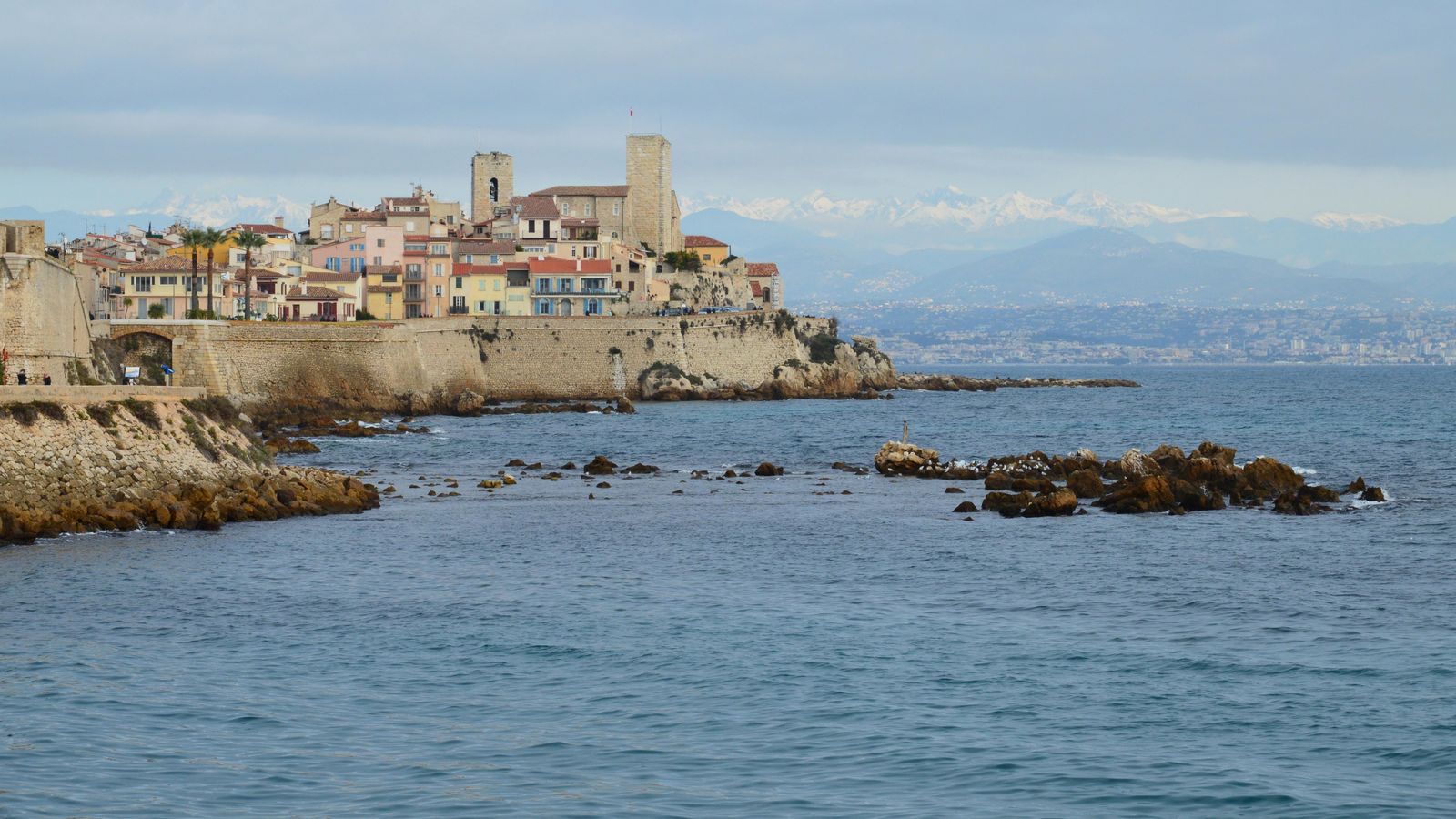
Photo: Apatments / Pexels
In the hills behind the coast, Saint-Paul-de-Vence is a walled medieval village of galleries and fountains that has drawn artists since the 1920s. Marc Chagall lived here for many years and is buried in the village cemetery, and just outside the walls, a renowned modern-art foundation displays works in a garden of sculptures. In neighboring Vence, Matisse designed every element of the Chapel of the Rosary, from its stained glass to the priests’ vestments, and considered it his masterpiece.
Grasse has been the heart of French perfume making since the 17th and 18th centuries, when its glove makers began scenting their leather. Fields around the town still grow the May rose, picked in spring, and jasmine, harvested from late summer, and the region’s perfume know-how is recognized by UNESCO as intangible cultural heritage. Visit the town’s perfume museum, wander the old streets and, with planning, learn to blend a fragrance of your own in a workshop. Nearby Biot is known for its bubble glass.
Cannes was a modest fishing village until 1834, when the British politician Lord Brougham, unable to continue to Nice because of a cholera quarantine, stopped here and built a villa. Wealthy visitors followed, and the town grew into a winter resort. Today it’s best known for its film festival, held each May since 1946 in the Palais des Festivals, and for La Croisette, the palm-lined seafront boulevard. The old quarter of Le Suquet, crowned by the medieval watchtower shown above, climbs the hill above the old port.
Take a short boat ride to the Lérins Islands, just offshore. Sainte-Marguerite, covered in pine and eucalyptus, has a fortress where the mysterious Man in the Iron Mask was imprisoned in the 17th century, while smaller Saint-Honorat is home to a community of monks who tend vineyards and make wine. Back in town, the covered Forville market is the place to see local produce, fish and flowers. West of Cannes, the red rocks of the Esterel massif plunge into the sea along a beautiful coastal road.
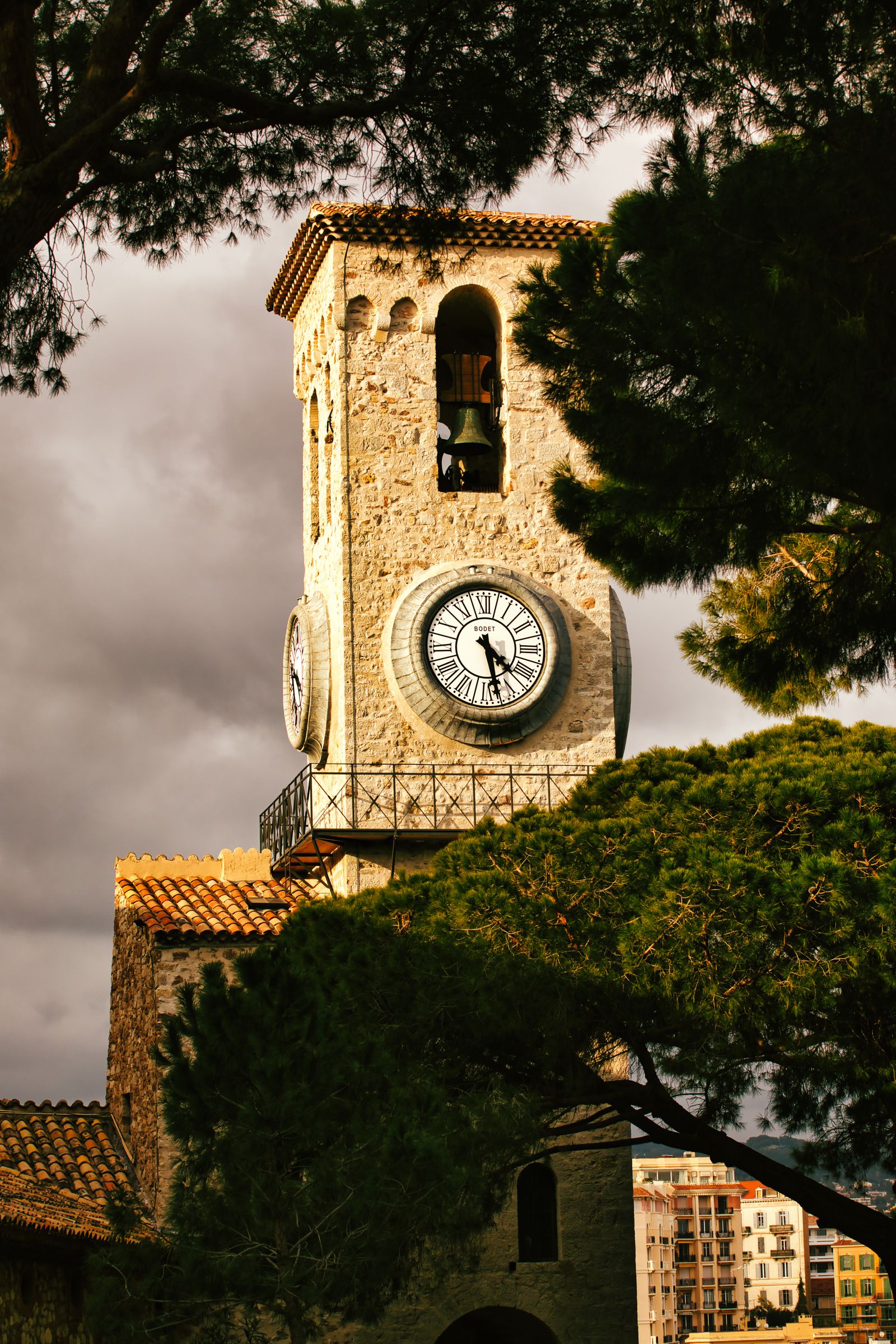
Photo: Thurin Gaetan / Pexels
Saint-Tropez was a quiet fishing port when the painter Paul Signac sailed in in 1892 and stayed, inviting fellow artists who painted its harbor in vivid color. Their work fills the Annonciade museum by the port, one of the finest collections of Pointillist and Fauvist painting in France. The village’s fame exploded in the 1950s, when it became a film location and a magnet for the jet set. Look for the bell tower of the parish church, a cheerful landmark above the old port.
Despite the glamour, Saint-Tropez keeps its village traditions. The Bravades festival each May honors the town’s patron saint with processions and musket fire, and the 17th-century citadel above the port holds a museum of the town’s maritime history. The famous beaches lie a short drive south at Pampelonne, while the hilltop villages of Ramatuelle and Gassin overlook vineyards producing much of Provence’s rosé. In summer, roads become congested, so arriving by boat or early in the morning makes a big difference.
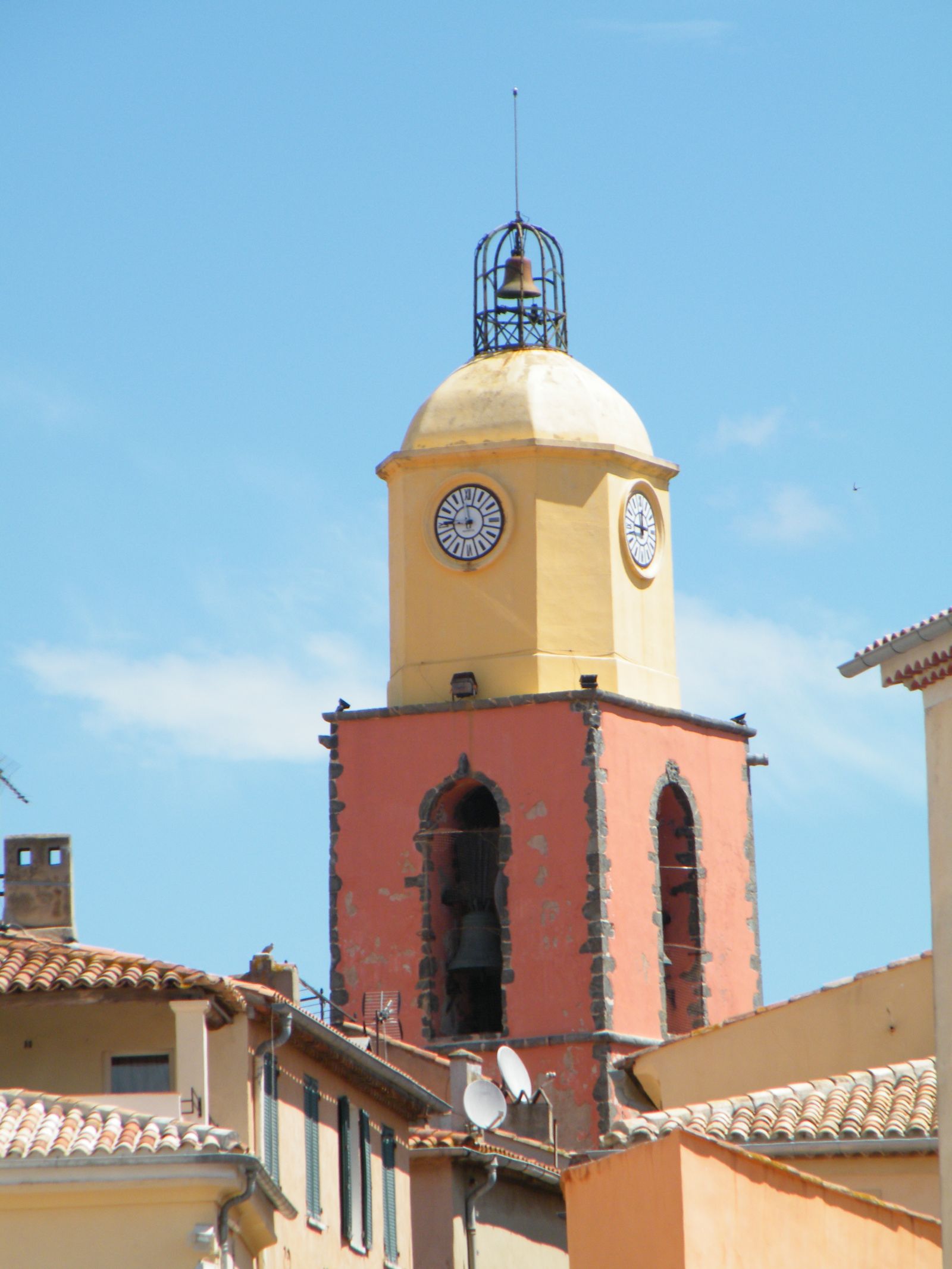
Photo: Alain Martin / Pexels
No. US citizens can visit visa-free for up to 90 days in any 180-day period across the Schengen Area, and there are no border checks between France and Monaco. Bring a passport valid at least three months beyond your departure.
Both are at Level 2, “Exercise Increased Caution,” in advisories issued May 28, 2025, citing terrorism and unrest. Read the full advisory on travel.state.gov and enroll in STEP before you travel.
Late May, June and September offer warm seas, long days and fewer crowds than July and August.
Not for the coastal towns, which are well linked by SNCF regional trains. A driver or car helps for perched villages, the Corniches and Saint-Tropez, which has no train station.
Five to seven days covers Nice, Monaco, Èze and Villefranche. Allow eight to ten to add Antibes, Cannes and Saint-Tropez.
Socca, pissaladière, pan bagnat, stuffed vegetables, fresh seafood and a glass of local rosé.
The right base, the right season and the quiet hours in villages and museums are what turn a Riviera trip from busy to unforgettable. As independent affiliates of Fora Travel with IATAN accreditation, the Novera Travel team will match you with the right hotels, drivers and experiences, and look for added amenities at select properties. We’ll handle every detail, from village days to boat trips to the Lérins Islands.
Novera Travel will be happy to arrange your international flights when you’re traveling first class.
Call +1 33 22 NOVERA – +1 (332) 266-8372 or email info@noveratravel.com
Novera Travel is an independent travel advisor of Fora Travel.