Harbour cities, reef days, red-centre sunsets and island quiet: our advisor’s playbook for an Australia trip that fits your pace.
Photo: Ben Mack / Pexels
Australia is a continent dressed as a country. One week might start with ferry wakes on Sydney Harbour and end with spinifex glowing at Uluru—or trade Melbourne laneways for the Great Ocean Road, then a day on the reef. Distances are real; the variety rewards travelers who plan deliberately rather than try to see everything at once.
Australia also runs on practical details—entry authorization before you fly, seasonal windows that differ by region, and park etiquette that matters on Country. This guide covers what we tell our own clients.
Australia is roughly the size of the contiguous United States, yet most of its population of around 27 million lives along the coast, leaving an interior of red desert, salt lakes and ancient ranges largely empty. That scale explains the extraordinary range of scenery: tropical rainforest and coral reef in the north, Mediterranean-style wine country in the south and west, snowy alpine country in the southeast and the wild, cool-temperate island of Tasmania. Many of its animals and plants exist nowhere else on Earth.
Aboriginal and Torres Strait Islander peoples have cared for this land for more than 60,000 years, making theirs the oldest continuous living cultures in the world, and you will hear about Country, their deep connection to land, sea and sky, wherever you travel. Modern Australia began with the arrival of British ships at Sydney Cove in 1788, and the colonies joined as one nation in 1901. Since then, waves of migration from Europe and Asia have shaped a relaxed, outdoorsy and remarkably multicultural society.
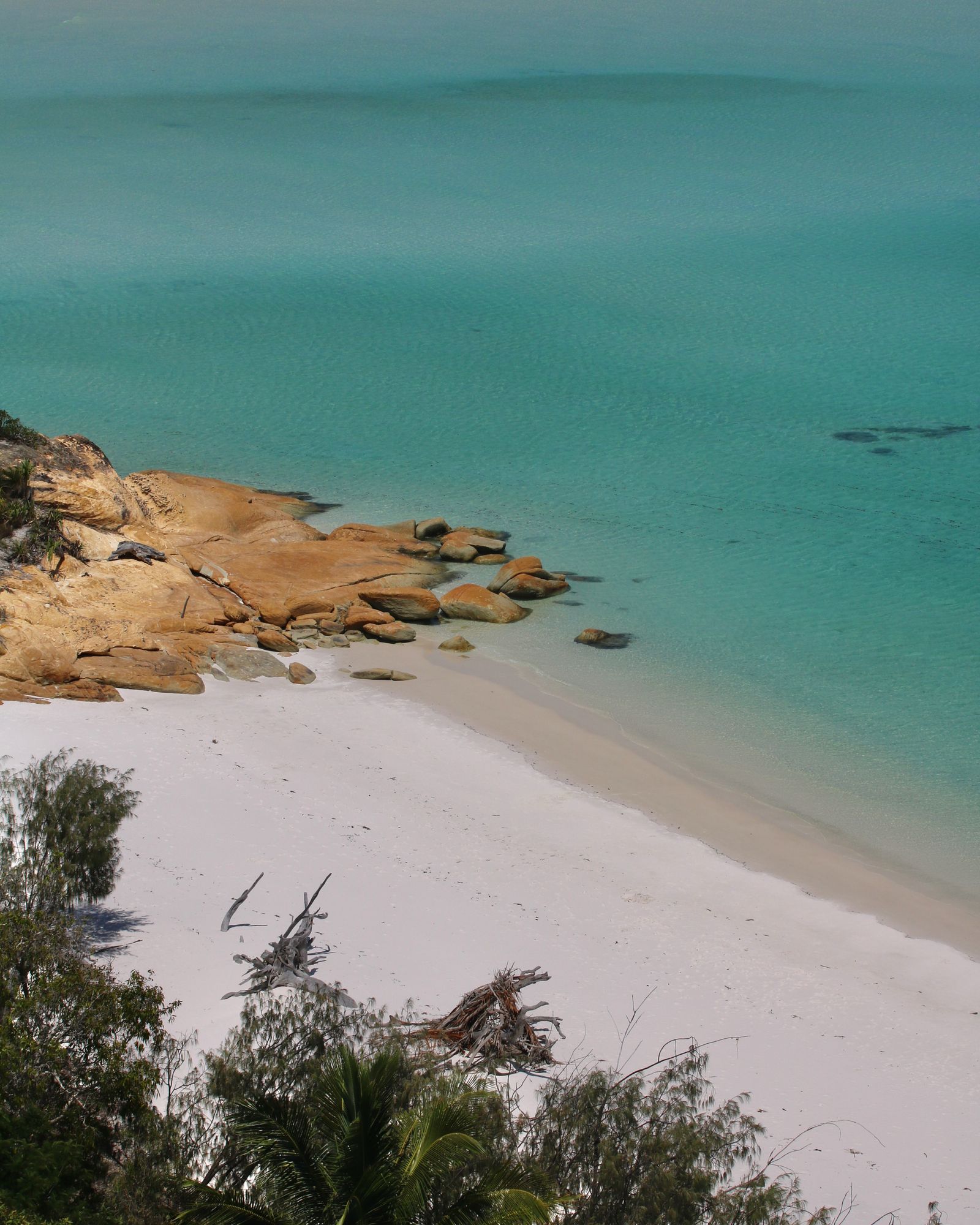
Photo: Luca Buhl / Pexels
The Whitsundays show why so many travelers fall for the tropical north. This group of 74 islands sits in the calm, turquoise waters inside the Great Barrier Reef, most of it protected as national park. Its showpiece is Whitehaven Beach, about seven kilometers of sand so fine and bright it squeaks underfoot, while at nearby Hill Inlet the tide swirls white sand and blue water into ever-changing patterns. Sailing, snorkeling and island resort stays are the rhythm here, ideally during the dry-season months of the southern winter.
Remember that Australian summer is December–February and winter is June–August. Timing depends less on a single “best month” and more on which regions you prioritize.
Our take: For a classic first trip that mixes Sydney or Melbourne with either the reef or Uluru, we like April–May or September–October. If the reef and rainforest are the star, build around the northern dry season and keep southern stops flexible.
Fly into Sydney for harbour walks and coastal day trips, then continue to Melbourne for laneways, galleries and coffee. Link them with a Great Ocean Road drive—or fly and add the road as a Victoria loop. This is our strongest first-timer spine for cities plus coastline.
Base in Cairns or Port Douglas for outer-reef days, then add the Daintree or Whitsunday island time. Pairing reef and rainforest in one region keeps logistics cleaner than crossing the continent.
Uluru-Kata Tjuta is about presence—sunrise and sunset color, base walks, and learning from Anangu culture with respectful guides. The Uluru climb closed permanently in October 2019; we plan experiences that honor that.
Perth offers Indian Ocean beaches and Margaret River wine country at a calmer pace. Treat it as its own mini-trip or part of a longer itinerary—not a rushed East Coast add-on.
Tasmania suits hikers and food lovers who want cooler air and parks near Hobart or Launceston. Summer and early autumn are the easiest outdoor windows.
Getting there: Most U.S. travelers fly into Sydney or Melbourne, then connect domestically. Distances that look short on a map can still mean multi-hour drives. For tourism visits, U.S. passport holders generally need an Electronic Travel Authority (ETA, subclass 601) granted before travel through the official Australian ETA mobile app—not third-party sites. The ETA links to your passport, which should remain valid for your stay. On arrival, expect immigration and customs checks (and an Incoming Passenger Card or digital declaration where available). Confirm current Home Affairs rules before you book.
A rental car unlocks the Great Ocean Road, Margaret River, Tasmanian parks and coastal day trips. Open-jaw flights (into Sydney, out of Melbourne) avoid backtracking. Left-side driving takes a day to feel natural—build buffer on day one.
Local guides shine for Indigenous cultural experiences, wildlife and days when you would rather watch than navigate. They also help with park logistics and specialized transfers.
Classic long-distance trains, such as the transcontinental run from Sydney to Perth or the north–south crossing from Adelaide to Darwin, turn travel days into the experience—desert light and a slower rhythm for travelers who prefer fewer flights.
Day boats, pontoons and island stays make the reef accessible without living aboard. Scenic flights over formations such as Heart Reef are popular; we match the outing to your comfort in the water and the season.
Outback, Kimberley and Tasmania lodges put you closer to night skies and dawn light. Pair them with a city bookend so the trip never feels like all transit.
Advisor tip: As Fora advisors with IATAN accreditation and Virtuoso affiliations, we can often add perks at select hotels and lodges—breakfast, room upgrades when available, or welcome amenities—subject to partner rules. We will show you what fits your dates.
Harbour ferries, coastal walks and neighborhoods from Bondi to The Rocks give Sydney energy that is hard to rush. Standout experience: Golden hour around Circular Quay or Mrs Macquarie’s Chair, then a ferry to Manly or a harbour beach.
Sydney grew from the British penal settlement founded on Gadigal land at Sydney Cove in 1788, and the sandstone lanes of The Rocks still hold the city’s oldest streets and pubs. Across the water, the sail-like shells of the Opera House, opened in 1973 and now UNESCO-listed, face the great steel arch of the Harbour Bridge, which you can walk across or climb with a guide. Beyond the icons, the city is about outdoor living: the clifftop walk from Bondi to Coogee, ocean pools carved into the rocks and long lunches overlooking the water.
The reef is a living system with zoning rules that protect what you came to see. Choose a reef trip that briefs guests on responsible snorkeling. Standout experience: A full reef day from Cairns or Port Douglas, or a scenic flight if you want the aerial view.
The Great Barrier Reef is the largest coral reef system on Earth, a chain of some 2,900 individual reefs and hundreds of islands stretching more than 2,000 kilometers along the Queensland coast. It has been a World Heritage Site since 1981. The outer reef, a boat ride offshore, offers the clearest water, where you can float above coral gardens alive with parrotfish, giant clams, sea turtles and reef sharks. Heart Reef, a naturally heart-shaped coral formation in the Whitsundays, can only be admired from the air.
Back on land, the tropical north has a second World Heritage treasure. The Daintree, north of Port Douglas, is often described as one of the oldest rainforests on Earth, and at Cape Tribulation its ancient forest runs right down to the reef-fringed beaches. Guided walks reveal giant strangler figs, flitting blue butterflies and, if you’re lucky, a cassowary. From roughly November to May, marine stingers are present along this coast, so swim at netted beaches and wear the full-body suits provided on reef trips.
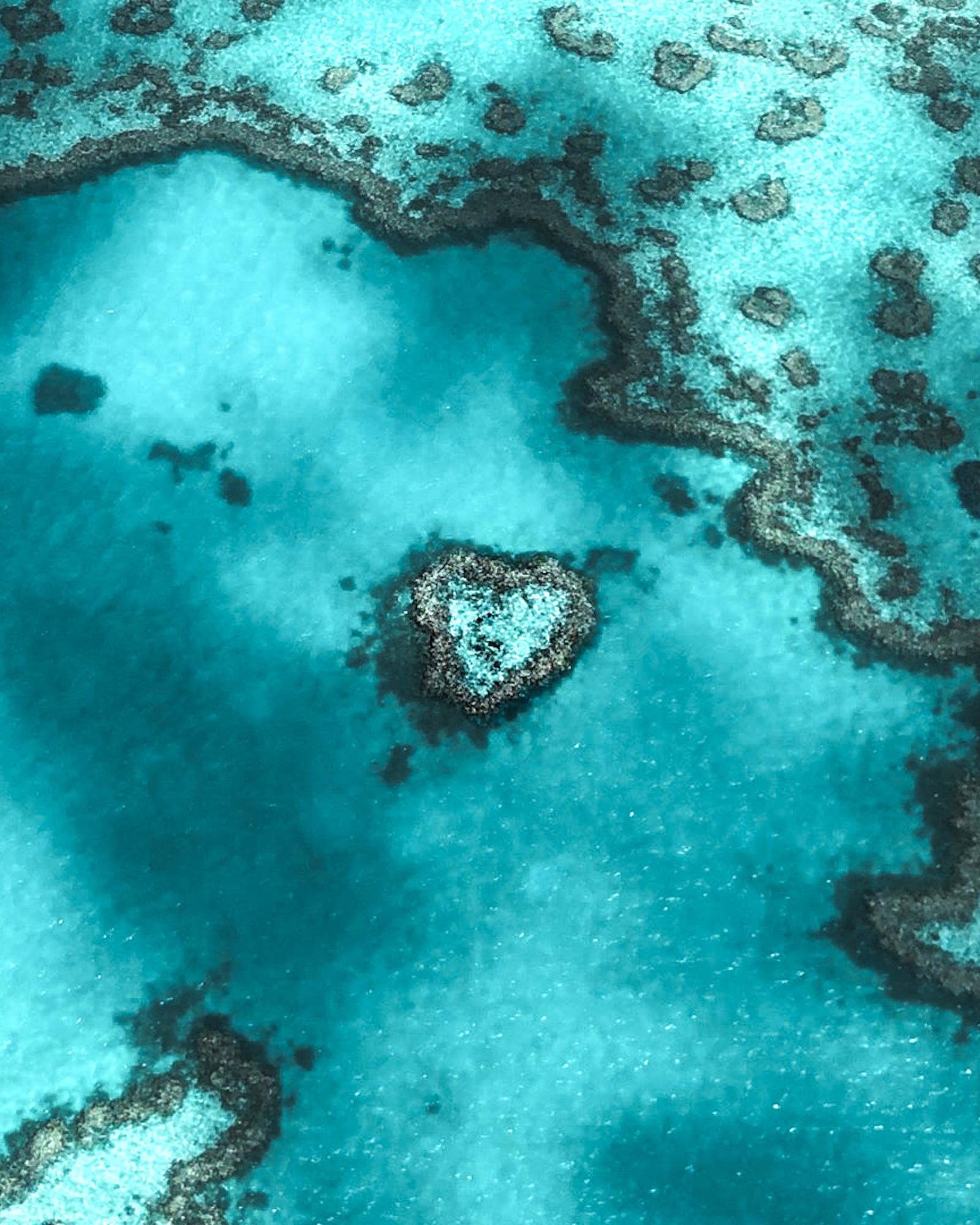
Photo: Vincent Rivaud / Pexels
Uluru rises from the desert with a presence photographs never quite capture. Stay more than a quick fly-in if you can. Standout experience: Sunrise or sunset viewing with a base walk or cultural experience led with Anangu guidance—never a climb.
Uluru stands about 348 meters above the surrounding plain, and the walk around its base covers roughly ten kilometers of caves, waterholes and rock art. To the Anangu, its traditional owners, every feature carries meaning in Tjukurpa, the law and creation stories that guide life here. The national park was handed back to Anangu ownership in 1985 and is jointly managed with Parks Australia. Less than an hour’s drive away, the domes of Kata Tjuta rise even higher, and the Valley of the Winds walk threads between them.
The Red Centre is more than one rock. After dark, the desert sky is some of the clearest anywhere, with the Milky Way bright enough to cast a glow. Days can include dot-painting workshops with Aboriginal artists, guided bush walks explaining traditional foods and medicines, and camel rides across the dunes at sunset. With an extra day or two, Kings Canyon, a few hours’ drive away, adds a dramatic rim walk past sheer red walls and a palm-fringed gorge known as the Garden of Eden.
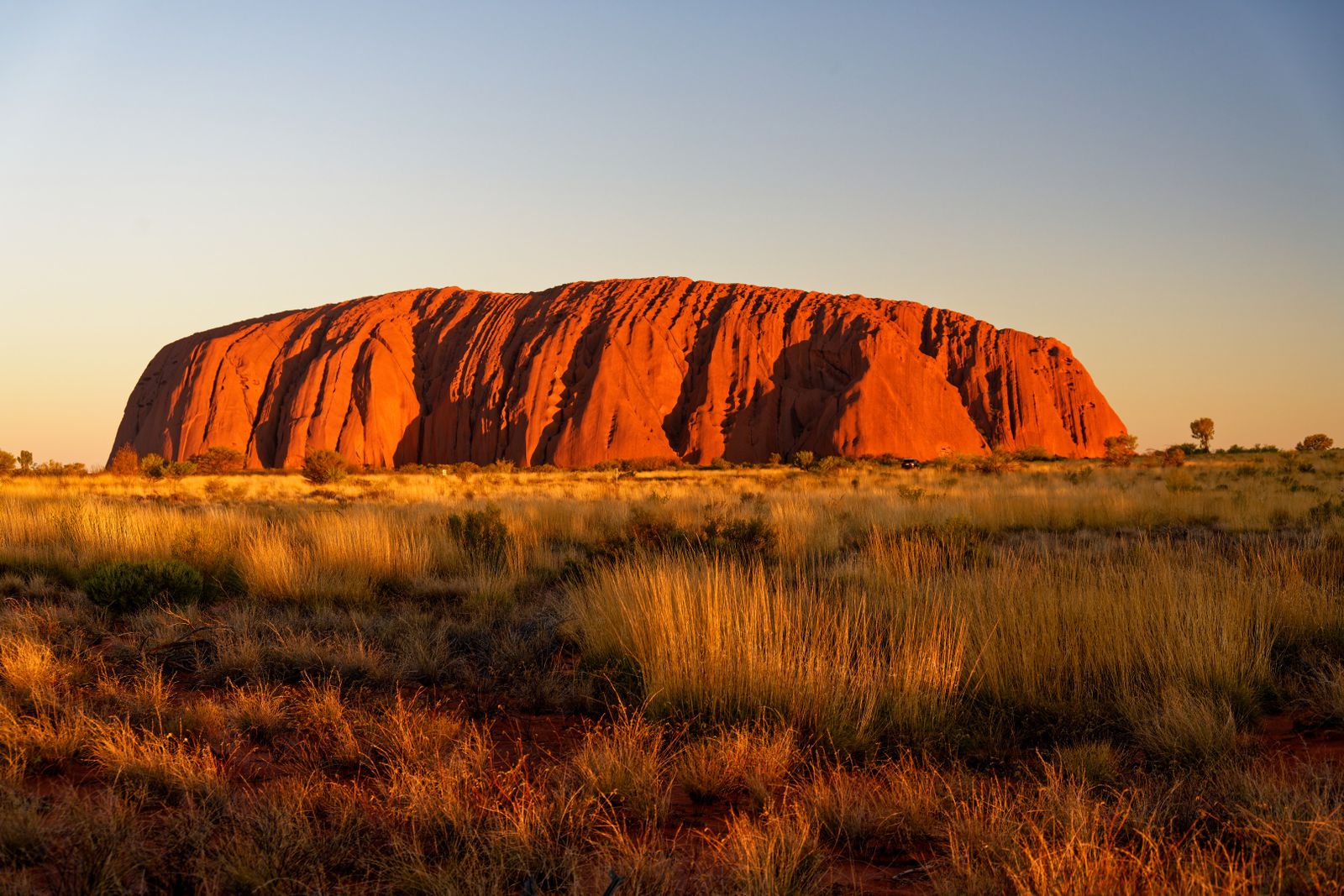
Photo: Gu Bra / Pexels
Melbourne is Australia’s creative capital: laneway coffee, galleries and a serious dining scene. Standout experience: A guided food walk through arcades and alleys, then dinner somewhere you would never have found alone.
A gold rush in the 1850s made Melbourne one of the richest cities in the world, and the wealth of that era survives in grand Victorian arcades, tree-lined boulevards and ornate public buildings. Today the city’s energy lives in its laneways, filled with street art, tiny espresso bars and hidden restaurants, and at the sprawling Queen Victoria Market. Melburnians are passionate about sport: the Australian Open tennis fills January, the Melbourne Cup horse race stops the nation each November, and football at the vast Melbourne Cricket Ground is a near-religious experience.
Melbourne also makes a superb base for day trips. The Yarra Valley, about an hour away, is known for elegant cool-climate wines, especially pinot noir and chardonnay, served alongside long lunches overlooking the vines. The Mornington Peninsula pairs wineries with beaches and hot springs, while on Phillip Island, crowds gather on the beach at dusk to watch little penguins waddle ashore to their burrows. Seasons here can be famously changeable, so locals joke about four seasons in one day. Layers are always a good idea.
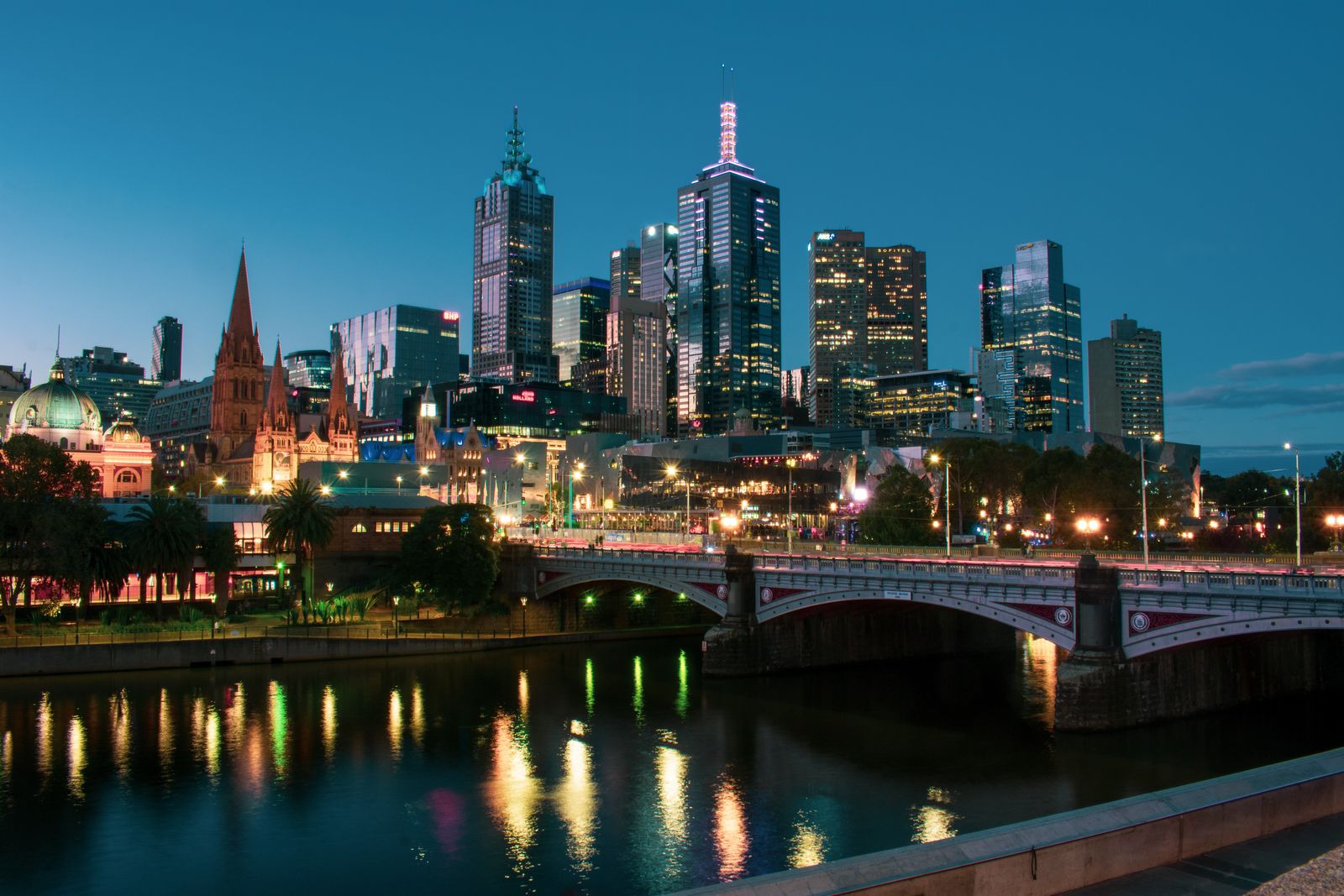
Photo: Costa Karabelas / Pexels
This drive south-west of Melbourne strings beaches, rainforest pockets and limestone stacks into a signature road trip. Standout experience: Soft morning or late-day light at the Twelve Apostles, with time for detours.
The Great Ocean Road was built by returned First World War soldiers between 1919 and 1932 and is dedicated to their fallen comrades, making it one of the largest war memorials in the world. It runs for around 240 kilometers, past the surf breaks around Torquay and the famous Bells Beach, through seaside towns such as Lorne and Apollo Bay, and inland through the tall forests and waterfalls of the Otways, where wild koalas doze in roadside gum trees. Then the land opens onto the rugged limestone cliffs of the Shipwreck Coast.
The Twelve Apostles were never quite twelve, and the Southern Ocean keeps reshaping them; one stack collapsed in 2005. Nearby Loch Ard Gorge, London Bridge and the Bay of Islands are just as striking and often quieter. We suggest giving the drive at least two days, staying overnight along the coast so you can catch the stacks at dawn or sunset. Driving west from Melbourne puts the ocean on your side of the road, which makes pulling into lookouts easier.
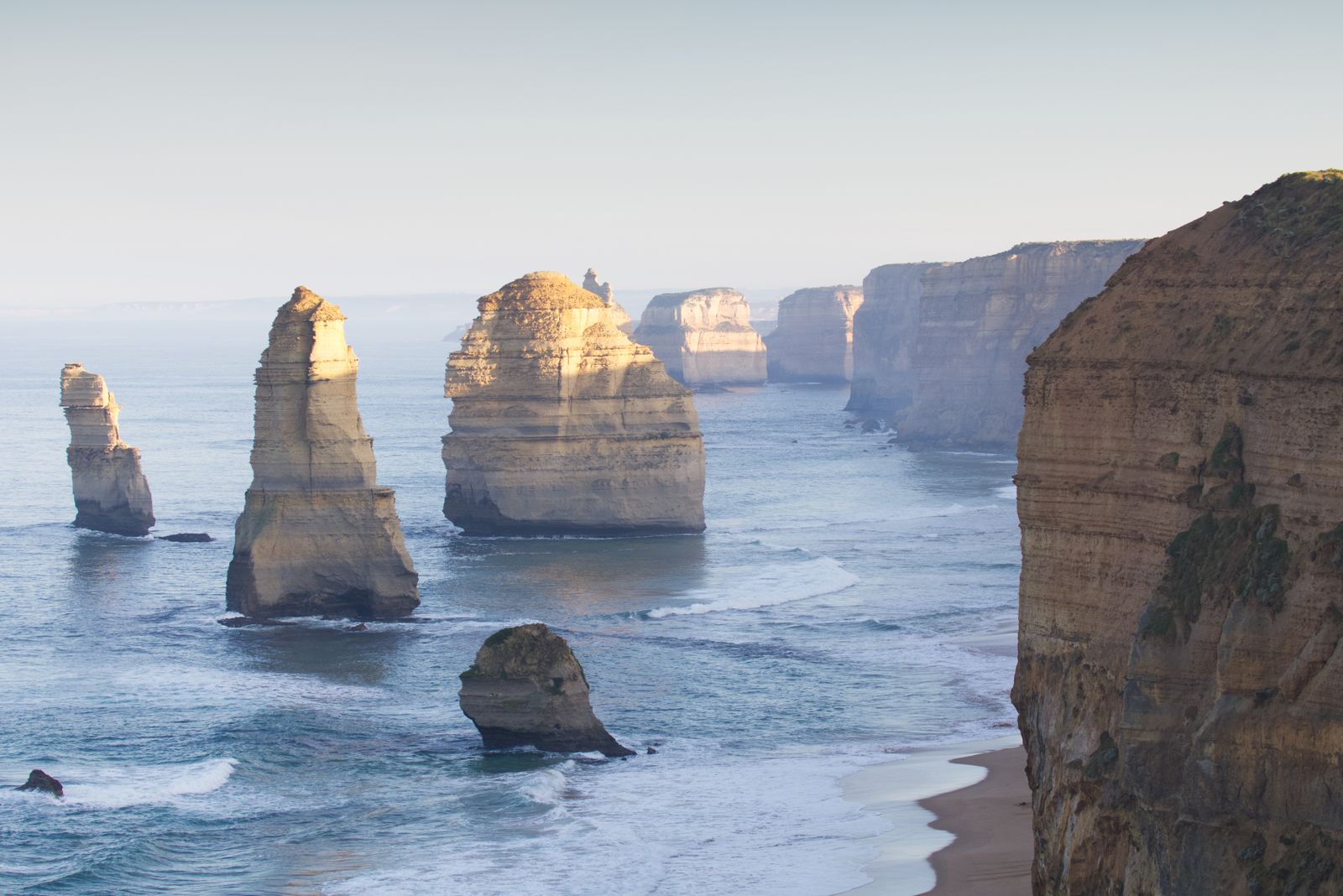
Photo: Abdus Samad Mahkri / Pexels
Sandstone cliffs and eucalyptus haze sit within an easy day or overnight of Sydney. Standout experience: A cliff-top walk for valley views, then lunch in a mountain town.
The Blue Mountains take their name from the soft blue haze that hangs over the valleys, created as fine droplets of oil from the eucalyptus forests scatter the sunlight. The Greater Blue Mountains area is World Heritage listed for its remarkable diversity of eucalypts, and the plateau is cut by deep gorges, waterfalls and hidden rainforest gullies. From Echo Point at Katoomba, the Three Sisters rock formation glows gold at sunset. Leura’s gardens and cafés and the art-deco charm of the old mountain resorts make the area easy to enjoy at a gentle pace.
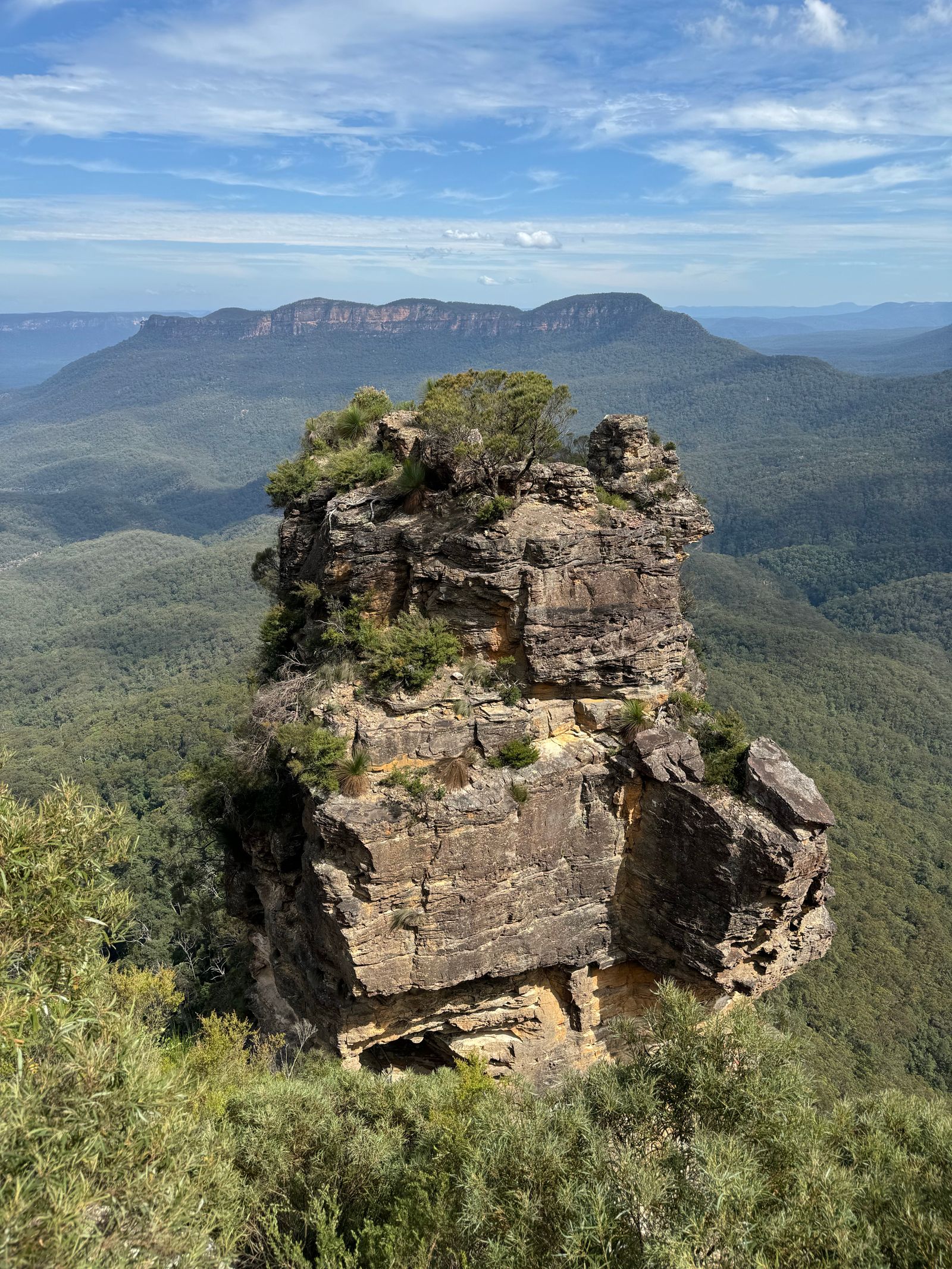
Photo: Petra Nesti / Pexels
Cooler air, produce-driven dining and wilderness parks make Tasmania feel like its own country. Standout experience: Pair Hobart with a national-park day—Wineglass Bay or Cradle Mountain when weather cooperates.
Australia’s island state is small enough to explore in a week, and a remarkable share of it is protected as national park and World Heritage wilderness. Hobart, set beneath kunanyi/Mount Wellington, combines sandstone warehouses, a lively Saturday market at Salamanca Place and one of the country’s most provocative art museums. On the Tasman Peninsula, the Port Arthur Historic Site tells the haunting story of the convict era. Tasmania is also the only place to see Tasmanian devils in the wild, alongside wombats, wallabies and platypus, and its oysters, cheeses and cool-climate wines are outstanding.
Kangaroos at dusk or fish beneath a reef pontoon become the stories you retell. Standout experience: Ethical wildlife encounters that keep animals wild—we will steer you away from outdated attractions.
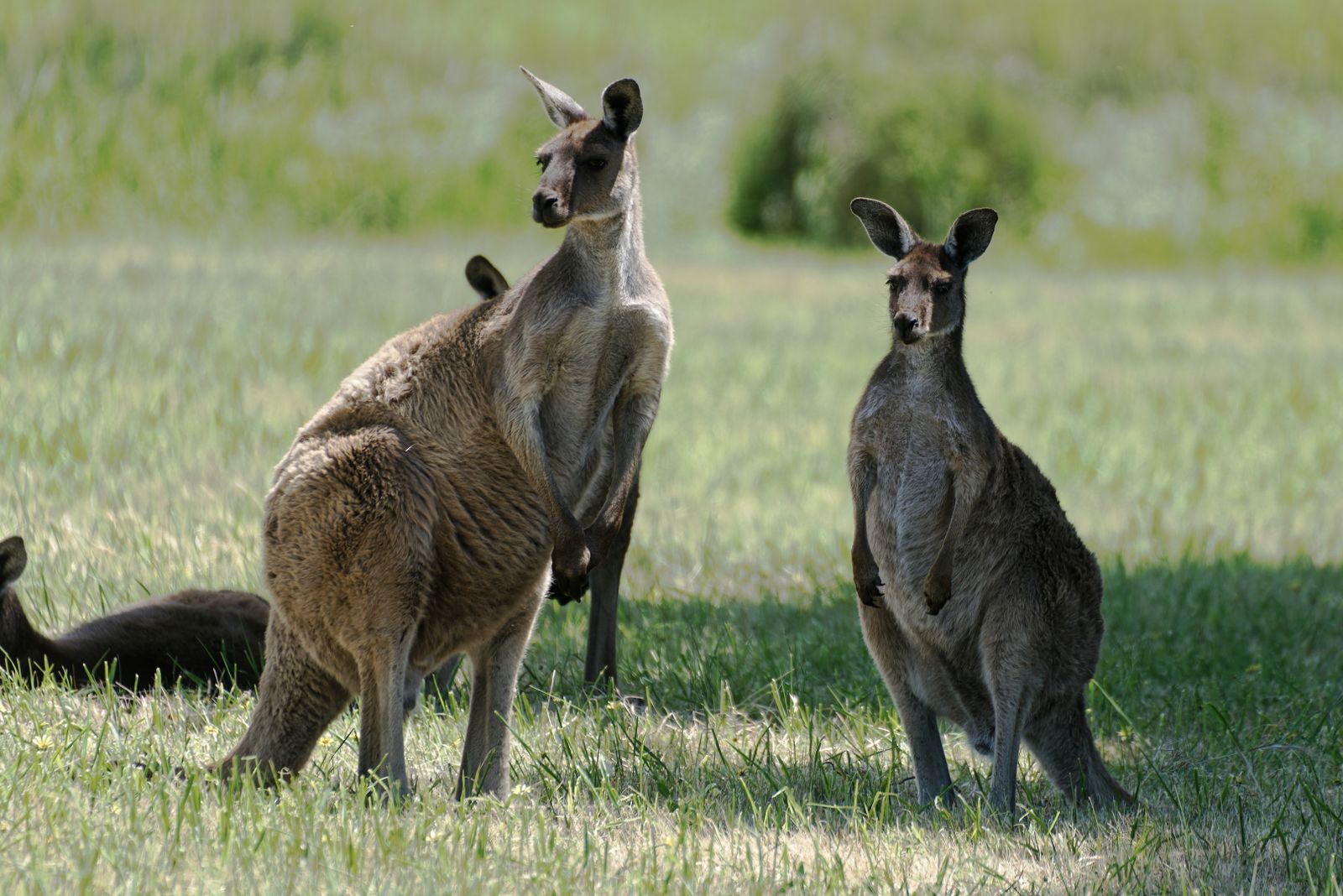
Photo: Gu Bra / Pexels
Australia’s story includes the world’s oldest living cultures. At Uluru, Kakadu or the Daintree, follow local guidance, stay on marked tracks and treat photography restrictions as part of the visit.
At the table, lean into regional produce: Sydney oysters, Melbourne’s food lanes, Queensland fruit, Tasmanian seafood and Margaret River wines. Flat whites are a daily ritual. Tipping is not expected the U.S. way, though rounding up for excellent service is appreciated.
It depends on your route. Southern spring and autumn are comfortable for cities and coasts; May–October suits the reef, Top End and many Outback plans.
For most short tourism visits, you need an ETA (subclass 601) granted before travel via the official Australian ETA app. Confirm your eligibility and current rules with official Home Affairs sources.
Ten to 14 days covers one strong multi-city or city-plus-nature itinerary. Add a week if you want both the East Coast and either Uluru or the tropical north.
No. The climb closed permanently in October 2019. Base walks, cultural experiences and sunrise/sunset viewing are the right way to visit.
Self-drive suits coastal and Tasmanian itineraries. Guided days are often better for reef logistics, Indigenous cultural sites and Outback interpretation. Many trips mix both.
As Fora advisors with IATAN accreditation and Virtuoso affiliations, we will shape your regions, pace the drives and suggest flight timing, book the right lodges and reef days, and look for added perks at partner hotels—so you can focus on harbour light, reef blues and desert silence.
Novera Travel will be happy to arrange your international flights when you’re traveling first class.
Call +1 33 22 NOVERA – +1 (332) 266-8372 or email info@noveratravel.com
Prefer to reach out another way? Visit our Contact page.