From the palaces and coffeehouses of Vienna to glacier-carved valleys and vineyard-lined river bends, a country where grand culture meets the great outdoors.
Photo: Semiha HASTAŞ / Pexels
Austria fits an astonishing amount of beauty into a compact, easy-to-travel country. In a single trip you can tour Habsburg palaces in Vienna, hear Mozart in the city where he was born, sip crisp white wine above the Danube, and ride a cable car into the high Alps. Trains are punctual, towns are walkable, and the food is a delight. We love Austria for its graciousness: the art of slowing down over coffee, cake, and conversation is practically a national pastime.
At a Glance
Austria is a genuine four-season destination, and each season has its own personality.
Our take: For a first visit focused on cities, lakes, and mountains, aim for late May through June or September. For a magical winter trip, pair Vienna’s Christmas markets with a few snowy days in the Alps.
A grand imperial capital of palaces, world-class museums, opera, and coffeehouses, with vineyards right at the city’s edge.
Mozart’s baroque hometown beneath a hilltop fortress, plus a nearby lake district of storybook villages, including Hallstatt.
Austria’s alpine heart, where Innsbruck’s medieval old town sits beneath dramatic peaks and valleys lead to famous ski and hiking areas.
A UNESCO-listed stretch of the Danube between Melk and Krems, lined with terraced vineyards, apricot orchards, castles, and abbeys.
Austria’s second city blends a Renaissance old town with creative energy, while southern Styria’s rolling wine hills are often called the “Tuscany of Austria.”
Sunny, Mediterranean-feeling lakes such as the Wörthersee, ideal for a relaxed summer finale.
Most North American travelers fly overnight into Vienna International Airport (VIE), which has nonstop service from several U.S. hubs. Salzburg (SZG), Innsbruck (INN), and Graz (GRZ) are handy regional airports, and Munich in neighboring Germany is a convenient gateway for Salzburg and Tyrol. Once you arrive, Austria’s rail network is superb: fast trains link Vienna, Salzburg, and Innsbruck, and the trip from Vienna to Salzburg takes about two and a half hours.
Entry rules: As of October 2026, U.S. citizens do not need a visa for tourist stays of up to 90 days within any 180-day period across the Schengen Area, which includes Austria. Your passport must be valid for at least three months beyond your planned departure from the Schengen Area (six months is recommended), and officials may ask for proof of onward travel and sufficient funds. The EU’s Entry/Exit System (EES) is now fully operational, so on your first entry expect to have your fingerprints and photo taken at passport control instead of a stamp; allow extra time. ETIAS, the EU’s planned online travel authorization, is not yet in operation, and no applications are being accepted. Rules can change, so we confirm them for every trip.
Austria is one of Europe’s best countries to explore by train. We plan rail itineraries around the most scenic routes.
A private driver and guide opens up hidden lakes, mountain passes, and family wineries.
Great for solo travelers and active guests, especially for guided hiking and cycling along the Danube.
Austria excels at alpine wellness retreats, with thermal spas, mountain views, and farm-to-table dining.
River ships glide through the Wachau, linking Vienna with cities upstream and downstream. Holiday-market sailings in late November and December are especially popular.
From Tyrol to Salzburgerland, Austria offers vast ski areas, charming villages, and the convivial après-ski culture it is famous for.
Advisor tip: When you book through Novera Travel, we can often add Fora and Virtuoso perks at select hotels in Vienna, Salzburg, and the Alps, such as daily breakfast, room upgrades when available, property credits, and welcome amenities. Ask us which partners fit your trip.
Imperial palaces, the Ringstrasse’s grand boulevards, and one of the world’s great music scenes. Standout experience: Tour Schönbrunn Palace and its gardens, then end the day with an evening at the Vienna State Opera.
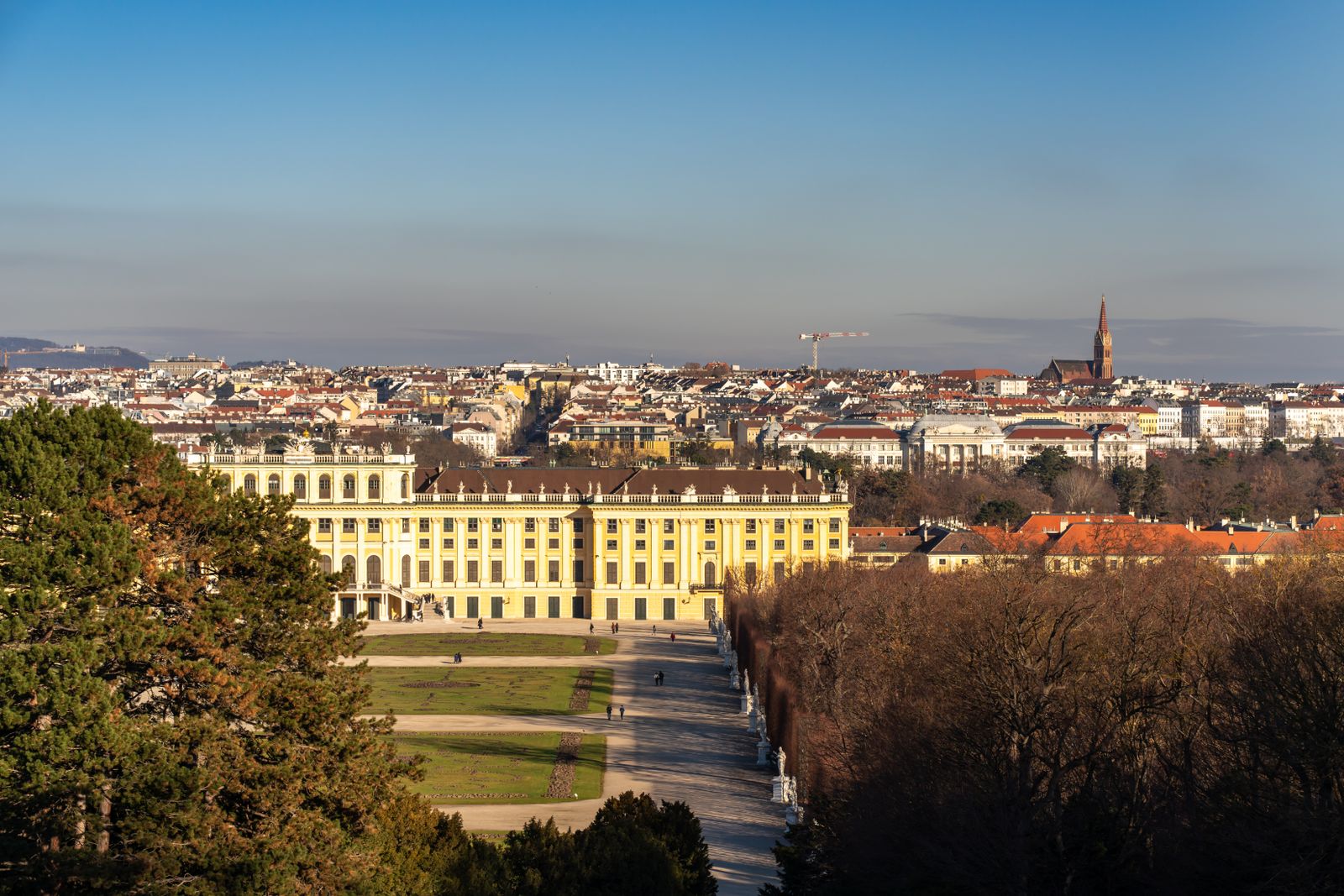
Photo: Vladimir Srajber / Pexels
The Habsburgs ruled from Vienna for more than six centuries, and the city still wears their legacy proudly. Schönbrunn, their summer residence, has more than 1,400 rooms, and a guided tour reveals the private apartments of Empress Maria Theresa and of Franz Joseph and Sisi. In the center, the vast Hofburg complex houses the imperial treasury and the Spanish Riding School, where white Lipizzaner horses perform, while the Belvedere palace displays Gustav Klimt’s golden masterpiece, The Kiss. Art lovers could spend days in the museums alone.
Vienna is also one of the few capitals in the world with working vineyards inside its city limits. On the hills at its edge, in villages such as Grinzing, family-run Heurigen pour their own young wine alongside simple cold cuts and hearty spreads in leafy gardens. Back in town, browse the stalls of the Naschmarkt, grab a sausage at a late-night street stand, and save time for a classic coffeehouse, where a single coffee buys you a marble table, a stack of newspapers and as long as you care to stay.
Baroque domes, Mozart’s birthplace, and Hohensalzburg Fortress crowning the old town. Standout experience: Ride the funicular up to the fortress for sweeping views, then stroll the Mirabell Gardens.
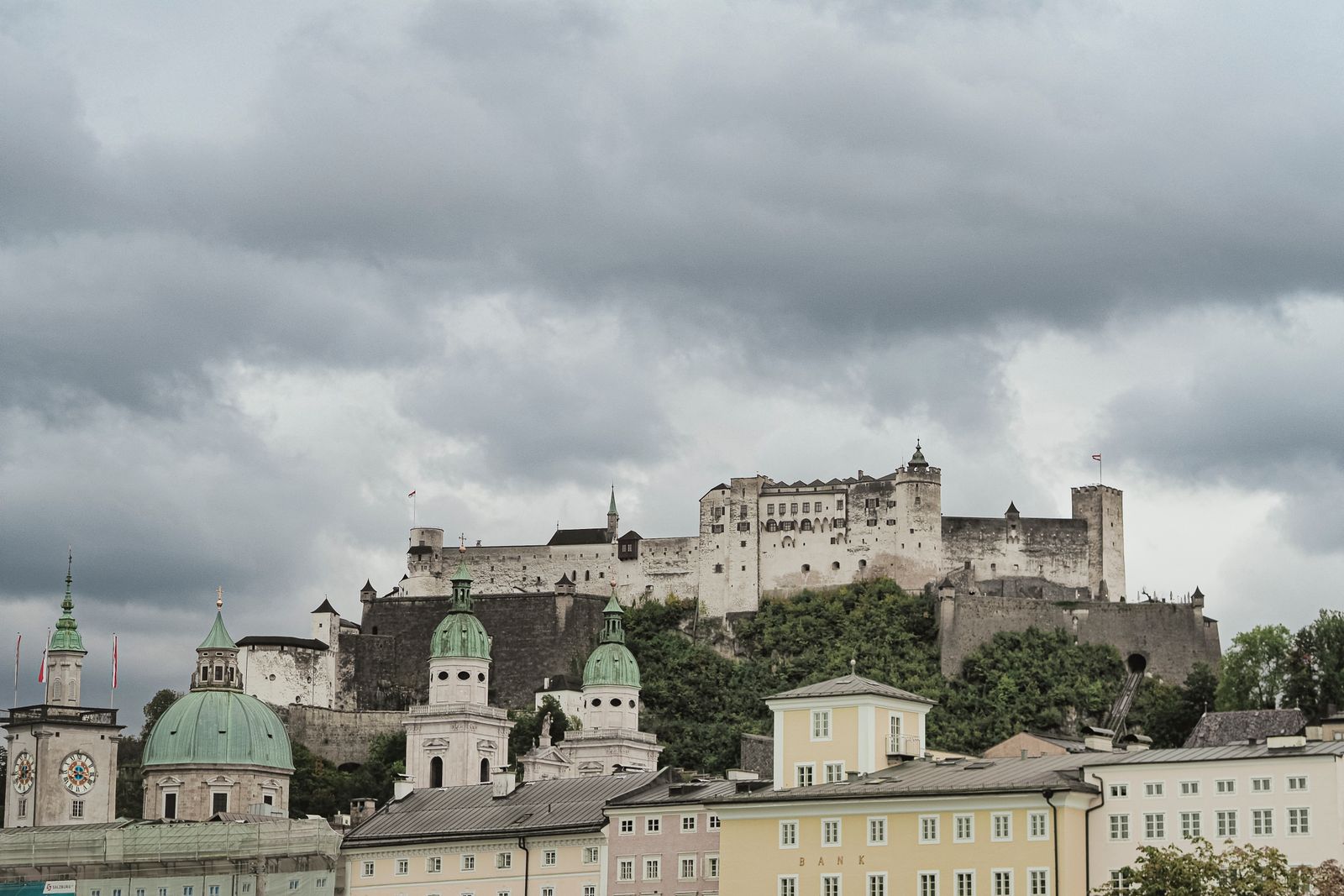
Photo: Laura Chouette / Pexels
Salzburg, whose name means salt castle, grew rich on the white gold mined in the nearby mountains, and its powerful prince-archbishops spent that wealth building the baroque churches, squares and fountains that now form a UNESCO-listed old town. Hohensalzburg, begun in the eleventh century, is one of the largest fully preserved castles in Central Europe. Mozart was born here in 1756, in a tall yellow house on the busy Getreidegasse that is now a museum. Film fans will also recognize gardens and lakes from The Sound of Music, which was shot in and around the city.
The Salzkammergut, a short drive east, is a landscape of glittering lakes and steep green mountains. Hallstatt’s salt mine is often described as the oldest in the world, and the region gave its name to an entire period of European prehistory. Inside the village church’s tiny bone house, rows of painted skulls record generations of local families. Nearby, the lakeside towns of St. Wolfgang and St. Gilgen are lovely and less crowded, and the Dachstein massif offers ice caves and a cliff-edge viewing platform with dizzying views over the lake.
A UNESCO-listed lakeside village with thousands of years of salt-mining history. Standout experience: Arrive early or stay overnight to enjoy the village quietly, then take a boat across the lake or visit the ancient salt mine.
A lively university city where colorful riverside houses sit beneath the Nordkette range. Standout experience: Take the funicular and cable cars from the city center up to alpine viewpoints in minutes.
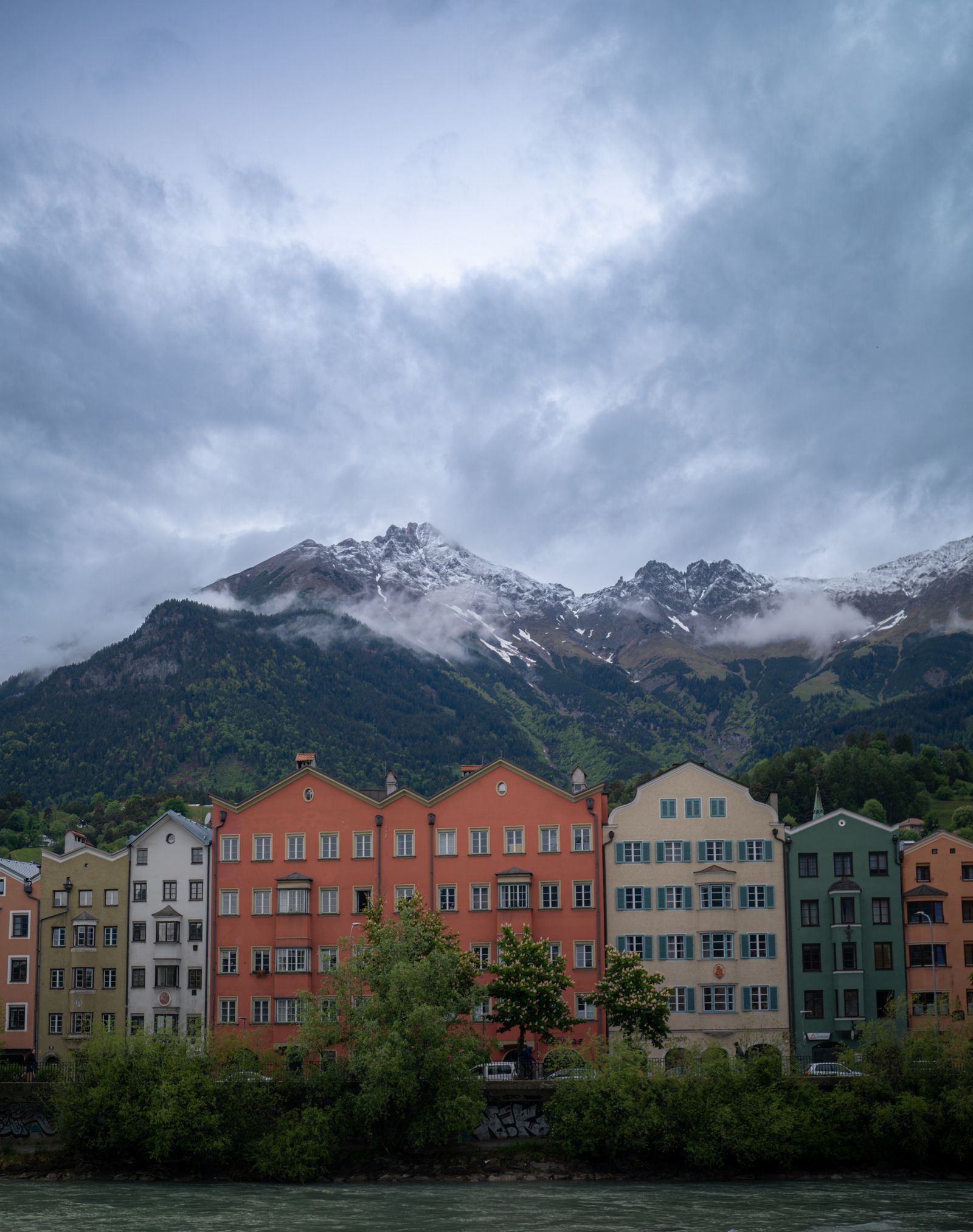
Photo: Leonard Richards / Pexels
Innsbruck was a favorite seat of the Habsburg emperor Maximilian I, who added the famous Golden Roof, a balcony covered in thousands of gilded copper tiles, to the old town around 1500. The city has hosted the Winter Olympics twice, in 1964 and 1976, and its relationship with the mountains is unlike any other European city’s: within about half an hour of a coffee on the cobbled main street, you can be standing on a ridge high above the valley. The striking Bergisel ski jump and the futuristic funicular stations were both designed by the architect Zaha Hadid.
Beyond the city, Tyrol’s valleys each have their own character. The Zillertal and Ötztal are famed for skiing in winter and long hikes from hut to hut in summer, while the Stubai Glacier offers snow well into the shoulder seasons. Kitzbühel combines a medieval town center with one of the world’s most famous downhill races. Wherever you go, wooden farmhouses spill over with red geraniums in summer, and mountain huts serve hearty dishes such as cheese dumplings and Tyrolean bacon with a glass of local schnapps.
Terraced vineyards, medieval villages, and the baroque splendor of Melk Abbey. Standout experience: Cruise the Danube from Melk to Dürnstein, then taste Grüner Veltliner and Riesling at a family winery.
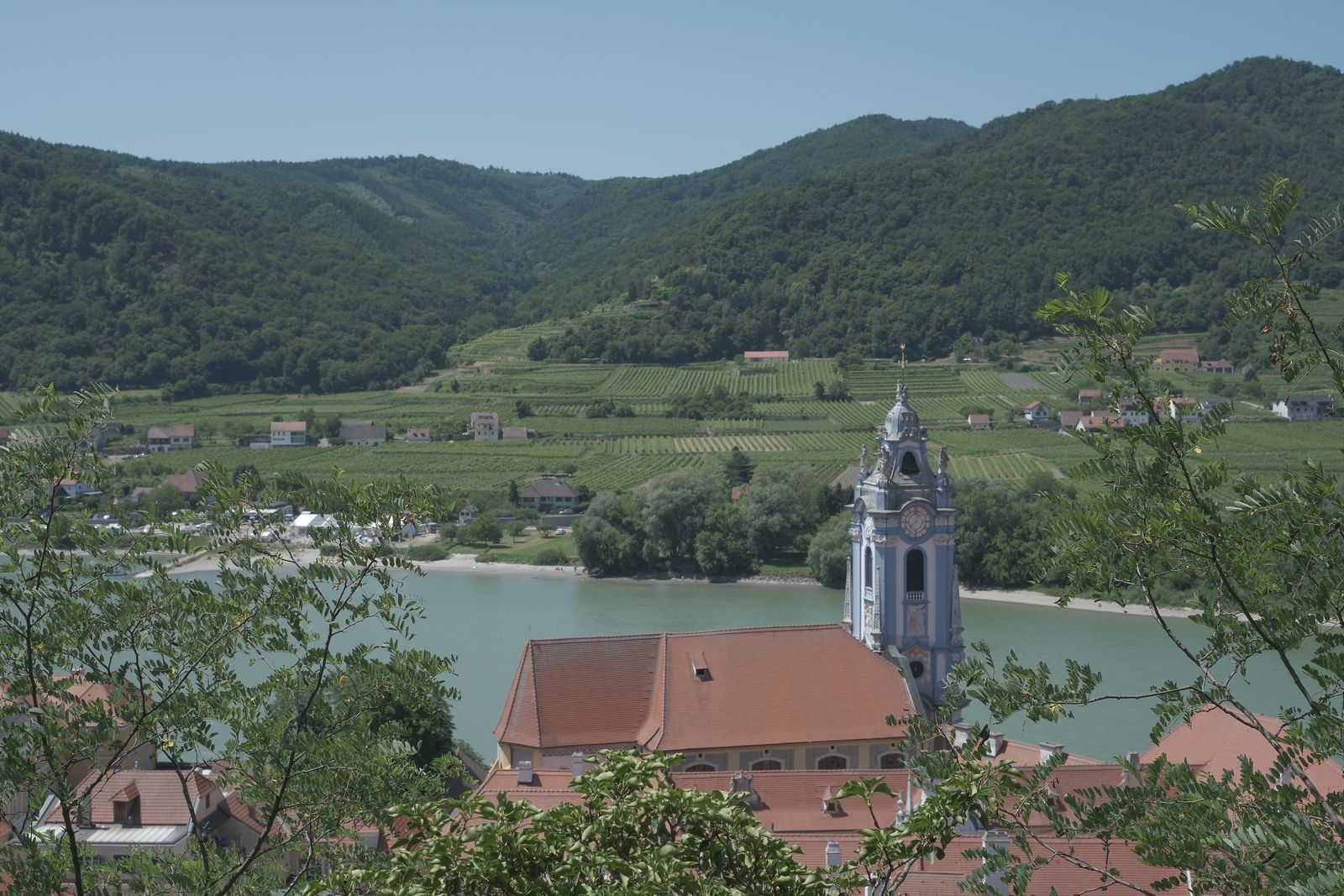
Photo: Tom Jurman / Pexels
The Wachau, a UNESCO-listed stretch of the Danube, may be Austria’s most romantic landscape. Above Dürnstein stand the ruins of the castle where England’s King Richard the Lionheart was held captive on his way home from the Crusades, and downstream, Melk’s golden-yellow Benedictine abbey glows above the river, with a magnificent library and frescoed church. In spring, thousands of apricot trees burst into blossom, and the valley’s apricots appear later in jams, dumplings and brandy. The riverside cycle path is gentle and flat, ideal for a day on two wheels between wine villages.
One of Europe’s most spectacular mountain drives, climbing toward Austria’s highest peak. Standout experience: Pause at the viewpoint facing the Grossglockner and the Pasterze glacier, then watch for marmots along the way.
Opened in 1935, the Grossglockner High Alpine Road twists through dozens of hairpin bends for about 48 kilometers across the Hohe Tauern National Park, the largest protected area in the Alps, and reaches more than 2,500 meters at its highest point. The Grossglockner itself rises to nearly 3,800 meters, and the Pasterze, the longest glacier in Austria, flows from its flanks. Because snow lingers at altitude, the road is usually open only from around May until late October or early November, so plan a mountain drive for summer or early autumn.
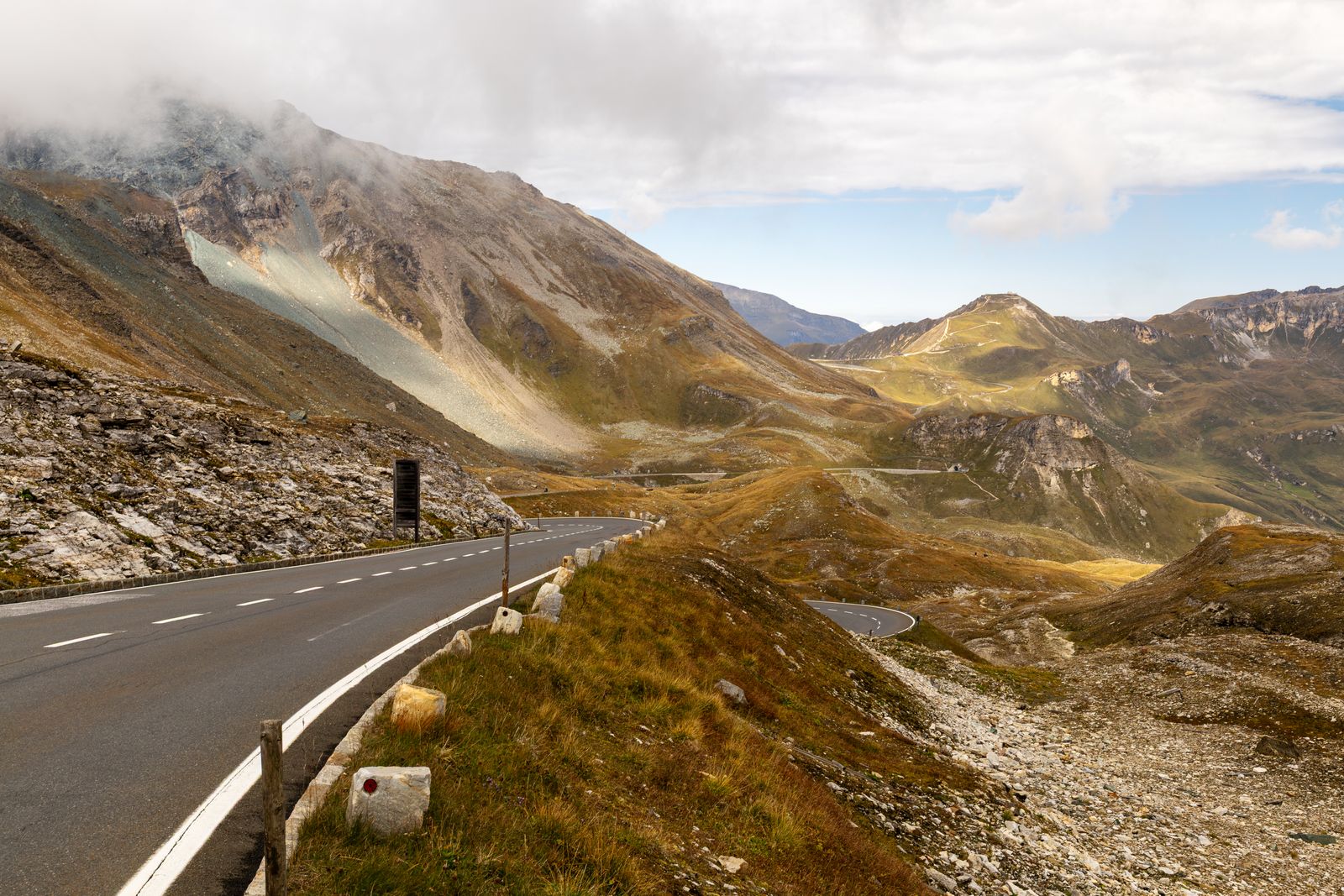
Photo: Alan Kabeš / Pexels
South of the high mountains, Carinthia feels almost Mediterranean, with sunny summers and lakes warm enough for long swims. The Wörthersee is the best known, ringed by elegant villas, lakeside promenades and bathing piers, while smaller lakes such as the Weissensee are wonderfully peaceful. Italian and Slovenian influences show up in the cooking, from pasta-like Kärntner Kasnudeln, plump dumplings filled with curd cheese and mint, to the relaxed pace of lakeside cafés. It is an ideal place to unwind after the cities and passes.
A UNESCO-listed old town of red rooftops and inner courtyards, plus a bold contemporary art scene. Standout experience: Climb the Schlossberg to the iconic clock tower at sunset, then explore the Styrian wine roads.
Graz rewards travelers who look beyond Vienna and Salzburg. Its old town and the baroque Eggenberg Palace are both World Heritage sites, yet the city also embraces bold modern design, from the blob-like Kunsthaus art museum to a steel-and-glass island floating in the Mur River. Look closely at the clock tower: its hands are reversed, with the large one showing the hours. Styria, known as Austria’s green heart, is also a food lover’s region, famous for dark pumpkin seed oil drizzled over salads and soups and for vivid Sauvignon Blanc from the southern wine hills.
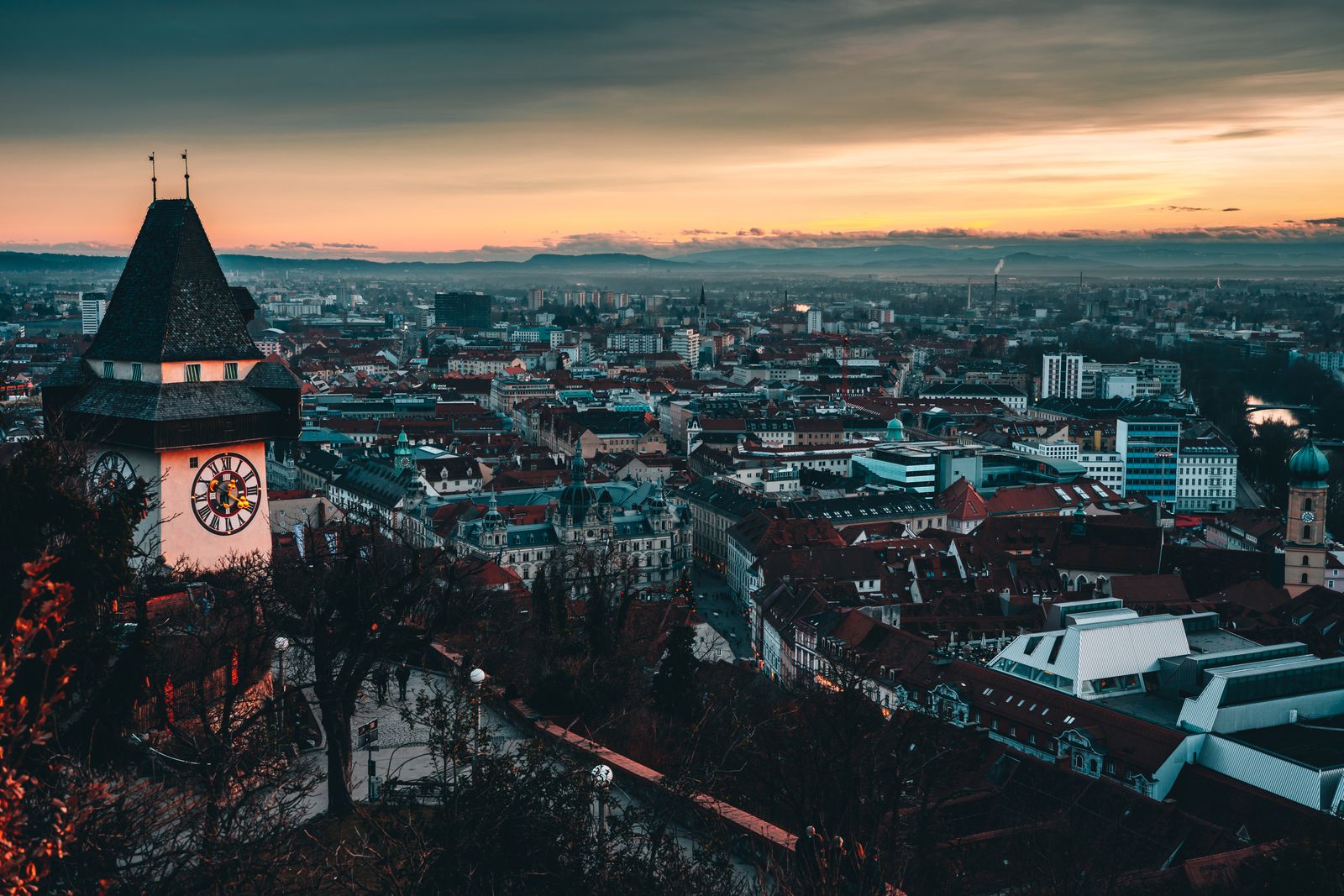
Photo: Chris / Pexels
Austrians value courtesy, punctuality, and a good conversation. Classical music runs deep, from Mozart and Haydn to the Strauss waltzes, and Vienna’s coffeehouse culture is listed as intangible cultural heritage on Austria’s UNESCO register.
Flavors to try:
Comfortable walking shoes are essential for cobblestones and hillside towns. Bring layers and a light rain jacket, since mountain weather changes quickly even in summer, and sturdy shoes if you plan to hike. Pack smart-casual outfits for dinners and a dressier option for the opera or concerts. In winter, add a warm coat, hat, gloves, and waterproof boots for the Christmas markets.
Late May through September for lakes, hiking, and wine country; late November and December for Christmas markets; and December through April for skiing.
As of October 2026, U.S. citizens can visit for up to 90 days in any 180-day period without a visa. Expect biometric registration at the border under the EU’s Entry/Exit System. Check before you travel.
A week covers Vienna, the Wachau, and Salzburg; ten days to two weeks lets you add Innsbruck, the lakes, or Graz.
Very. Austria’s rail network is fast, comfortable, and scenic, and it connects easily with Germany, Switzerland, Italy, and Central Europe.
Absolutely. Many Danube sailings begin or end near Vienna, so adding a few days on land before or after is easy.
Whether you dream of waltzing through Vienna, hearing Mozart in Salzburg, sipping Grüner Veltliner above the Danube, or skiing beneath Tyrolean peaks, we will design an Austria journey around your pace and interests.
Novera Travel will be happy to arrange your international flights when you’re traveling first class.
Call +1 33 22 NOVERA – +1 (332) 266-8372 or email info@noveratravel.com
Prefer to reach out another way? Visit our Contact page.