Fog-wrapped bridges, granite valleys, sunlit vineyards, and desert skies full of stars, all in one remarkable state.
Photo: Nancy Swanstrom-Moore / Pexels
Few places pack as much variety into one trip. In a single week you can watch the fog roll under the Golden Gate Bridge, taste your way through Napa and Sonoma, drive the cliffs of Big Sur, and end with tacos on a San Diego beach. Head inland and the scenery turns monumental: Yosemite’s granite walls, the high Sierra, and the open desert around Joshua Tree. California rewards travelers who like to mix city energy, great food and wine, and serious time outdoors.
At a Glance
Our take: For a classic coast-and-wine trip, aim for September or October. If waterfalls and wildflowers are top of your list, choose April or May.
Victorian neighborhoods, cable cars, world-class dining, and quick escapes to Marin’s redwoods and Sausalito’s waterfront.
Napa and Sonoma sit about an hour north of San Francisco. Napa is polished and famous for Cabernet; Sonoma feels more relaxed and spread out, with the coast close by.
Monterey, Carmel-by-the-Sea, Big Sur, and on south to Paso Robles and Santa Barbara. This is the dramatic Highway 1 stretch most people picture.
Los Angeles, the beach towns of Orange County, and San Diego offer sunshine, theme parks, museums, and a laid-back beach culture.
Yosemite, Lake Tahoe, and Sequoia and Kings Canyon bring granite peaks, alpine lakes, and the largest trees on Earth.
Palm Springs and Joshua Tree pair mid-century style and spa resorts with otherworldly rock formations and star-filled skies.
The major gateways are LAX, SFO, and San Diego. Smaller airports often make for an easier arrival, including Burbank, Long Beach, Orange County, Oakland, San Jose, Sacramento, Santa Barbara, Monterey, and Palm Springs. Amtrak’s Pacific Surfliner hugs the coast between San Luis Obispo, Los Angeles, and San Diego, and the Coast Starlight links Los Angeles with the Bay Area and the Pacific Northwest.
Entry rules: California is domestic travel for U.S. citizens. For domestic flights, bring a REAL ID-compliant license or another accepted ID such as a passport. International visitors should confirm visa or ESTA requirements well ahead of time, and anyone on a cruise that calls in Mexico should travel with a valid passport.
A self-drive itinerary is the best way to experience the coast, linking cities, wine country, and parks at your own pace. Many travelers fly into San Francisco and out of Los Angeles or San Diego, or the reverse, to avoid backtracking.
Los Angeles, Long Beach, San Diego, and San Francisco are busy cruise ports.
Small-group tours and private guides work beautifully for wine country and the national parks, where a local expert handles the driving, timing, and tasting reservations.
Advisor tip: When you book through Novera Travel, we can often add amenities at select hotels, resorts, and sailings, such as daily breakfast, room upgrades when available, resort or onboard credits, and welcome amenities. Ask us which partners fit your plans.
Hills, fog, and neighborhoods with real character, from Chinatown to the Mission. Standout experience: Walk or bike across the Golden Gate Bridge, then continue to Sausalito and ride the ferry back across the bay.
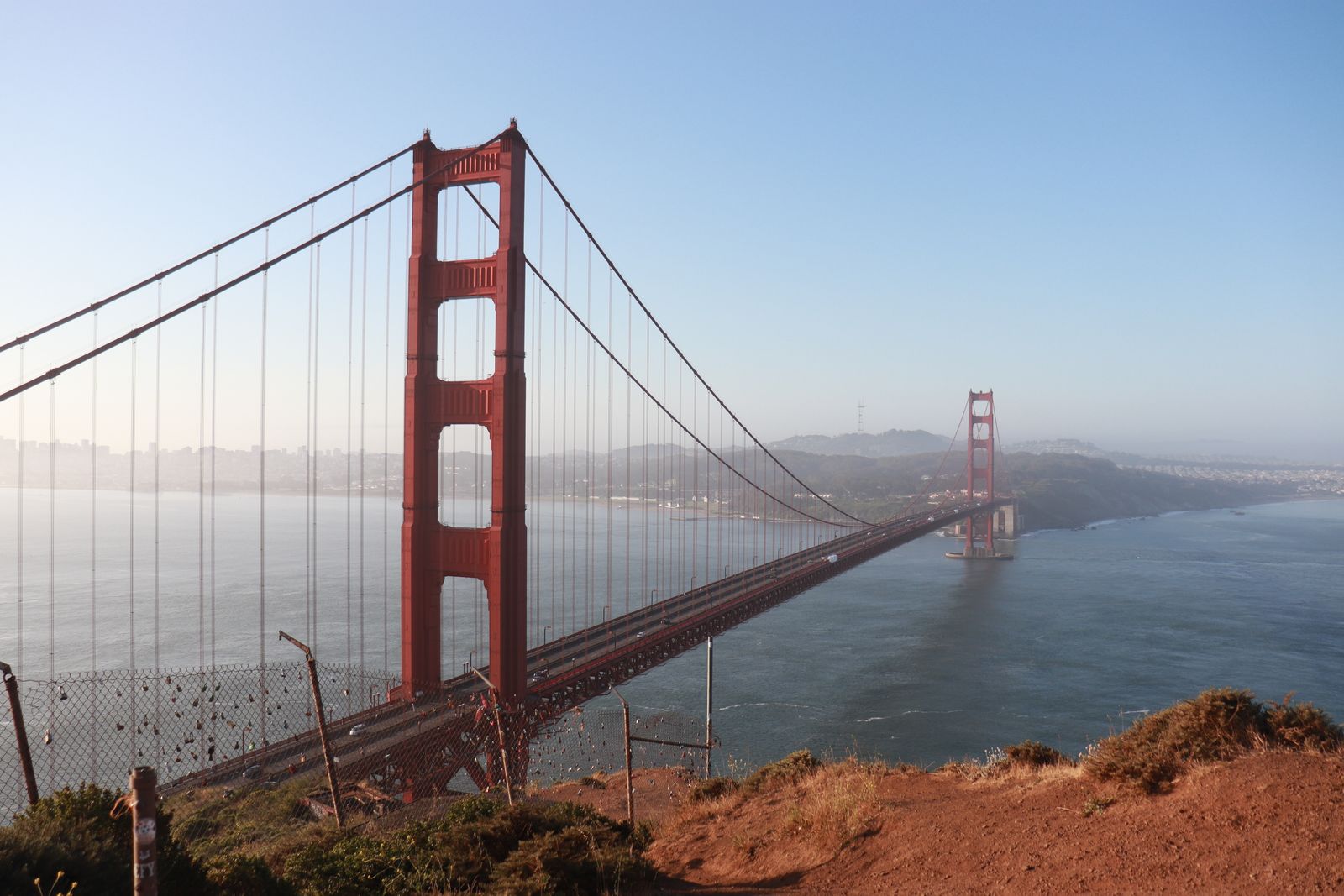
Photo: vignesh srivatsav / Pexels
San Francisco was a small settlement until the Gold Rush of 1849 turned it almost overnight into a boomtown of fortune seekers from around the world. Much of the city was rebuilt after the 1906 earthquake and fire, which is why so many of its painted Victorian houses date from just before or after that moment. The Golden Gate Bridge opened in 1937, and its famous orange-red color was chosen partly to stand out in the fog. Out in the bay, Alcatraz served as a federal prison from 1934 to 1963, and the island tour is one of the city’s most memorable experiences.
The city is best understood neighborhood by neighborhood. Chinatown, one of the oldest in North America, is a maze of temples, bakeries and herb shops; North Beach still carries the Italian cafés and bookstores of the Beat writers; and the Mission is known for colorful murals and its famous oversized burritos. Ride a cable car, still pulled by underground cables as it has been since the 1870s, then browse the food hall and farmers market at the Ferry Building, a showcase for Northern California’s remarkable produce.
Old-growth coast redwoods just north of the city. Standout experience: Walk the main trail among the giants early in the day. Parking and shuttle reservations are required, so book ahead.
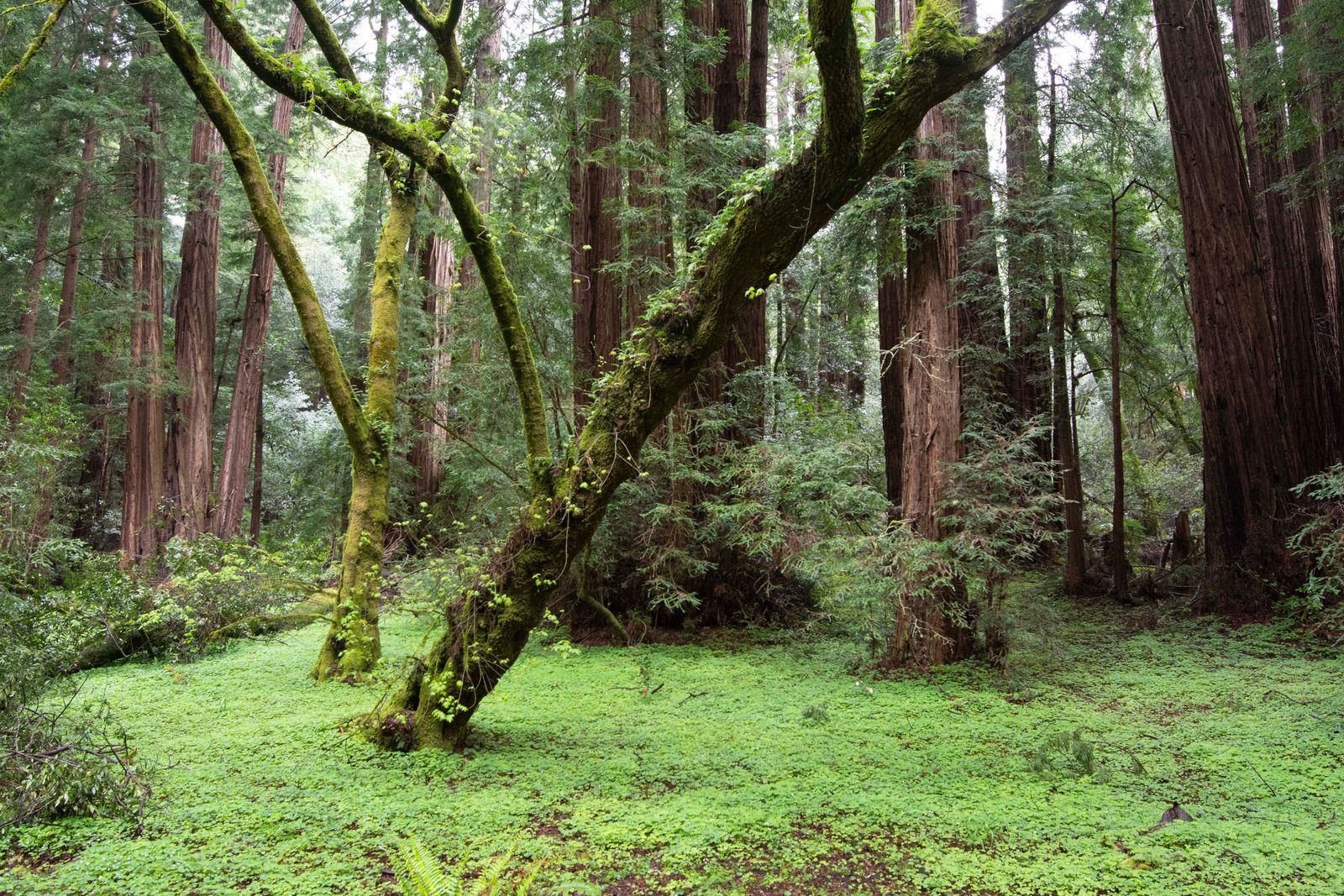
Photo: Laura Nijssen / Pexels
Coast redwoods are the tallest trees on Earth, and walking among them in Muir Woods is a hushed, almost cathedral-like experience. The grove was protected as a national monument in 1908 and named for the naturalist John Muir, and many of its trees are centuries old. Beyond the woods, Marin County rewards a day or two of exploring: hike Mount Tamalpais for views over the bay and ocean, stroll Sausalito’s waterfront and houseboat docks, or continue up the coast to the windswept beaches and lighthouse of Point Reyes National Seashore.
Rolling vineyards, farm-to-table dining, and charming small towns like Healdsburg and Yountville. Standout experience: A private, seated tasting at a family-run estate, ideally during the fall harvest.
California wine country came of age in 1976, when Napa Valley wines beat top French bottles in a famous blind tasting in Paris, putting the region on the world map. Today Napa, a valley around thirty miles long, is known for powerful Cabernet Sauvignon and polished estates. Sonoma County is larger and more varied, with Pinot Noir and Chardonnay from cooler areas near the coast and Zinfandel from old vineyards. The town of Sonoma grew around a historic plaza and the last and northernmost of California’s 21 missions.
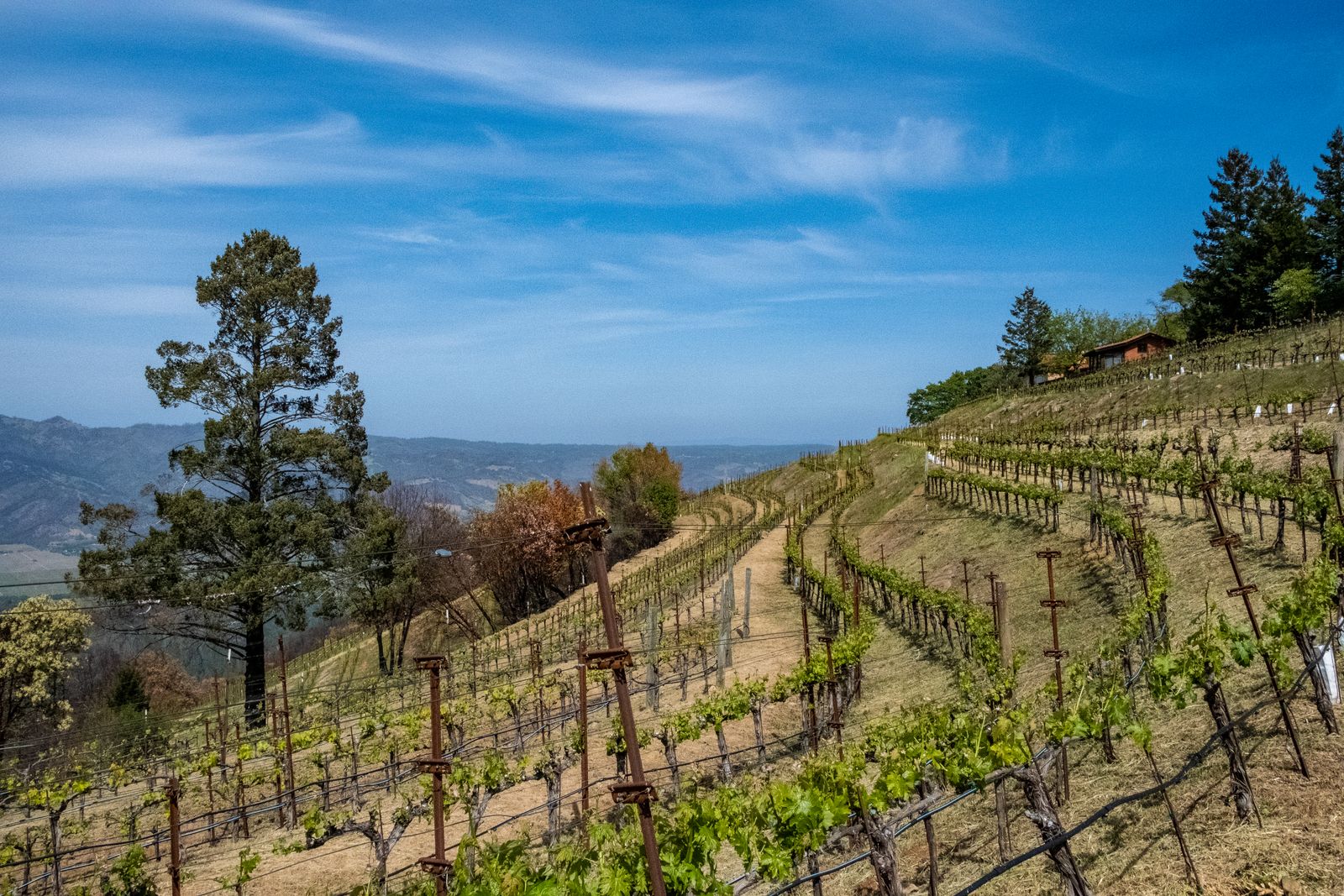
Photo: Kelsey / Pexels
Wine country is about far more than tasting rooms. Float over the vineyards in a hot-air balloon at dawn, cycle the quiet back roads between wineries, or soak in the volcanic hot springs around Calistoga. Food is taken just as seriously, with acclaimed restaurants, farm stands and cheesemakers throughout both valleys. In Sonoma, follow the Russian River through redwood groves toward the coast, or stay in Healdsburg, whose leafy plaza is lined with galleries, bakeries and wine bars. Harvest, from late August into October, is the most exciting season to visit.
Sea otters, cypress-lined coves, and some of the most spectacular coastal driving anywhere. Standout experience: Drive Highway 1 south from Carmel across Bixby Creek Bridge, stopping often at the turnouts.
Monterey was the capital of Alta California under Spanish and Mexican rule, and its adobe buildings still tell that story. Later, its sardine canneries inspired John Steinbeck’s Cannery Row, now home to a world-class aquarium devoted to the rich marine life of Monterey Bay. Neighboring Carmel-by-the-Sea is a storybook village of cottages and galleries beside a white-sand beach and its historic mission. South of Carmel, Big Sur stretches for about ninety miles of cliffs and coves, with landmarks such as the 1932 Bixby Creek Bridge and McWay Falls, which tumbles onto a cove beach far below the road.
El Capitan, Half Dome, and waterfalls pouring off granite cliffs. Standout experience: Take in Tunnel View at sunset, then walk the flat Valley Loop trails beneath the walls.
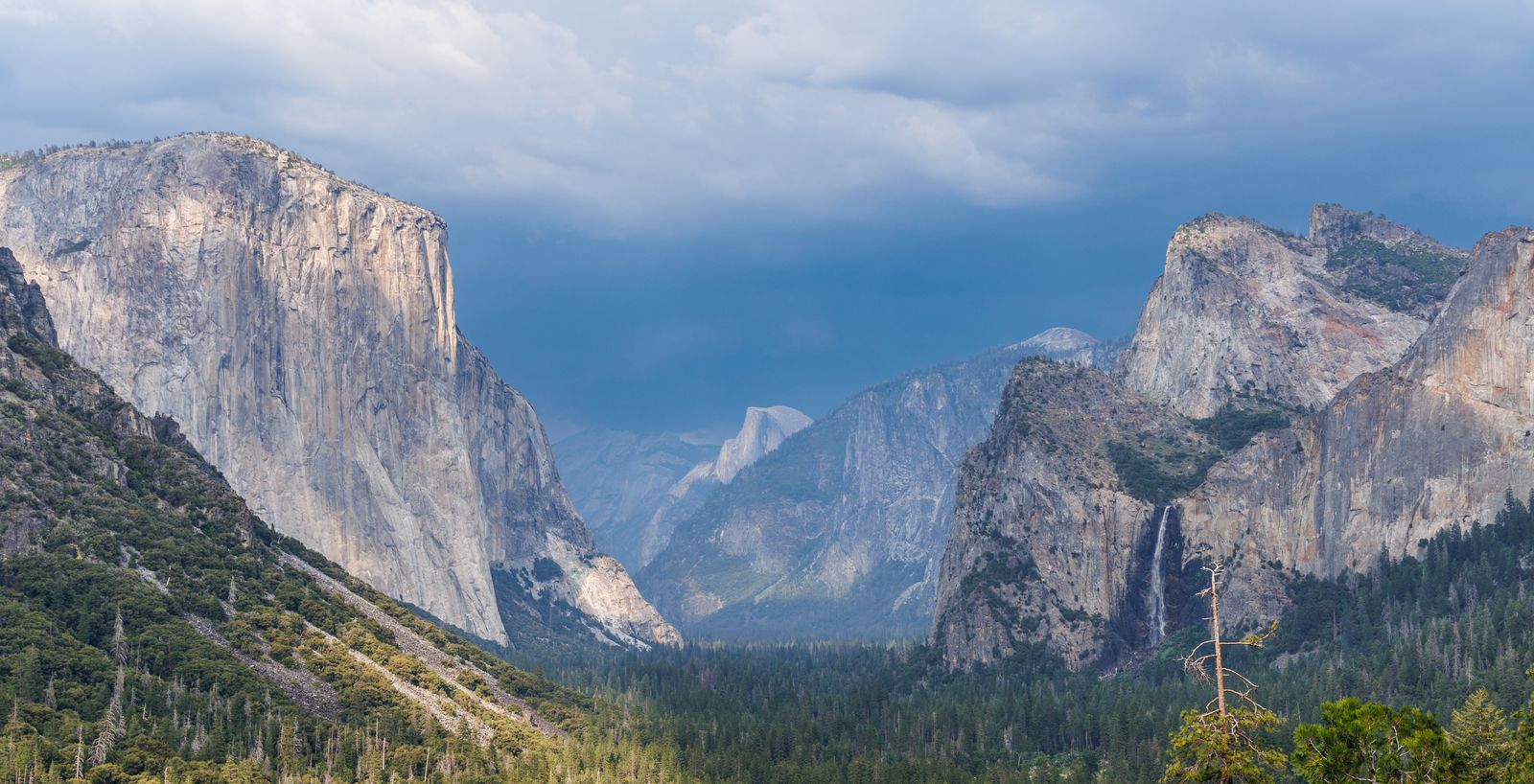
Photo: Igor Passchier / Pexels
Yosemite holds a special place in American conservation. In 1864, during the Civil War, President Lincoln signed a law protecting the valley and the Mariposa Grove of giant sequoias, an idea that helped inspire the national park system. Carved by glaciers, the valley is ringed by granite monoliths such as El Capitan, which rises around 3,000 feet from the valley floor, and Yosemite Falls, among the tallest waterfalls in North America. From Glacier Point, the whole valley spreads out below Half Dome. In summer, Tioga Road opens the high country, with alpine meadows and lakes around Tuolumne.
Los Angeles began in 1781 as a small Spanish farming settlement, and the historic plaza and market stalls of Olvera Street still mark its birthplace. Today it is a sprawling patchwork of distinct cities and neighborhoods, each with its own flavor. Spend a morning at the hilltop Getty Center, with its art collection, gardens and sweeping views, explore the museums along Wilshire Boulevard, or wander the Walk of Fame in Hollywood. The food scene reflects the city’s diversity, from street tacos and Koreatown barbecue to innovative chef-driven restaurants.
Museums, beaches, and one of the most exciting food scenes in the country. Standout experience: Watch the city lights come on from Griffith Observatory.
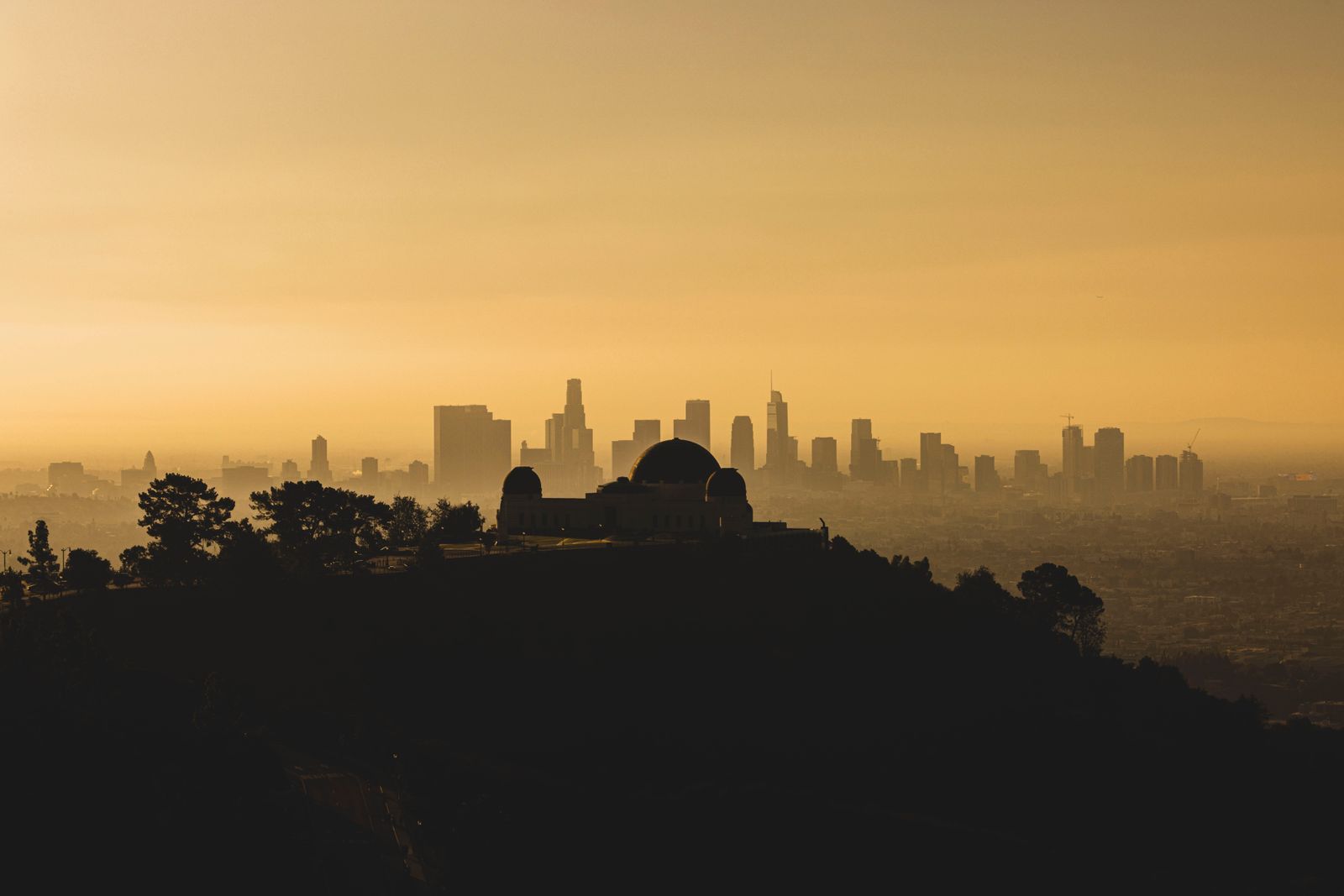
Photo: Stephen Leonardi / Pexels
Griffith Observatory, perched on the slopes of Mount Hollywood, opened in 1935 and offers some of the best views of the Hollywood Sign and the city grid stretching to the ocean. Down at the coast, Santa Monica’s pier and Venice’s canals and boardwalk capture the beach culture that defines Southern California, and Malibu’s beaches lie a short drive north. Santa Barbara, around two hours up the coast, makes a lovely detour: after an earthquake in 1925, the town rebuilt in a unified Spanish style of white walls and red-tile roofs.
San Diego is often called the birthplace of California, because the first of the state’s Spanish missions was founded here in 1769. The city’s mild, sunny weather makes it pleasant almost year-round. Balboa Park, created for an exposition in 1915, is a showcase of Spanish Revival buildings, gardens and museums, and it is also home to the city’s renowned zoo. The Gaslamp Quarter buzzes with restaurants and nightlife, and a short ferry ride across the bay brings you to Coronado’s wide, sparkling beach.
Beaches, Balboa Park, and an easygoing pace. Standout experience: Kayak or snorkel near La Jolla Cove, where sea lions lounge on the rocks.
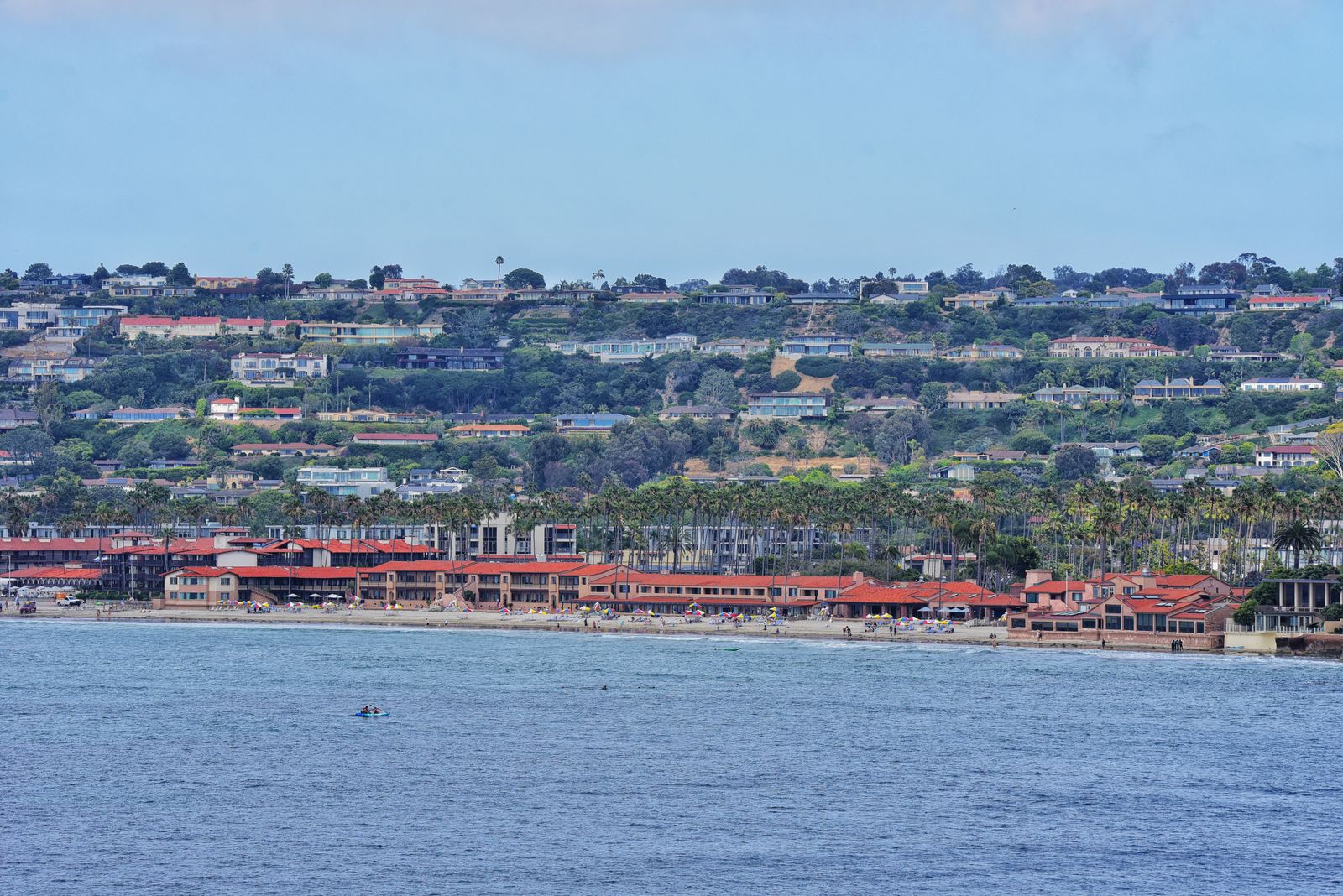
Photo: SUKHEE LEE / Pexels
La Jolla, an upscale seaside community within San Diego, feels like its own village, with boutiques and restaurants overlooking sandstone cliffs and sea caves. Sea lions and harbor seals haul out on the rocks and beaches, and the protected waters of an underwater park offshore draw snorkelers, kayakers and bright orange garibaldi, California’s state marine fish. Just north, Torrey Pines State Natural Reserve protects one of the rarest pine trees in the country, with trails winding along the bluffs to beaches below. Sunsets here are spectacular almost every evening.
Desert resorts paired with a wild national park. Standout experience: Stay after dark in Joshua Tree for some of the best stargazing in Southern California.
Joshua Tree National Park sits where two deserts meet, the higher, cooler Mojave and the lower Colorado Desert, and its spiky namesake trees, actually a type of yucca, grow only in the Mojave. Huge piles of rounded granite boulders make it a favorite with rock climbers and photographers, and in spring the desert floor can bloom with wildflowers. Nearby Palm Springs is a mid-century modern showcase, with stylish low-slung homes and resorts, date farms in the surrounding valley, and a rotating tram that climbs into cool pine forests on Mount San Jacinto.
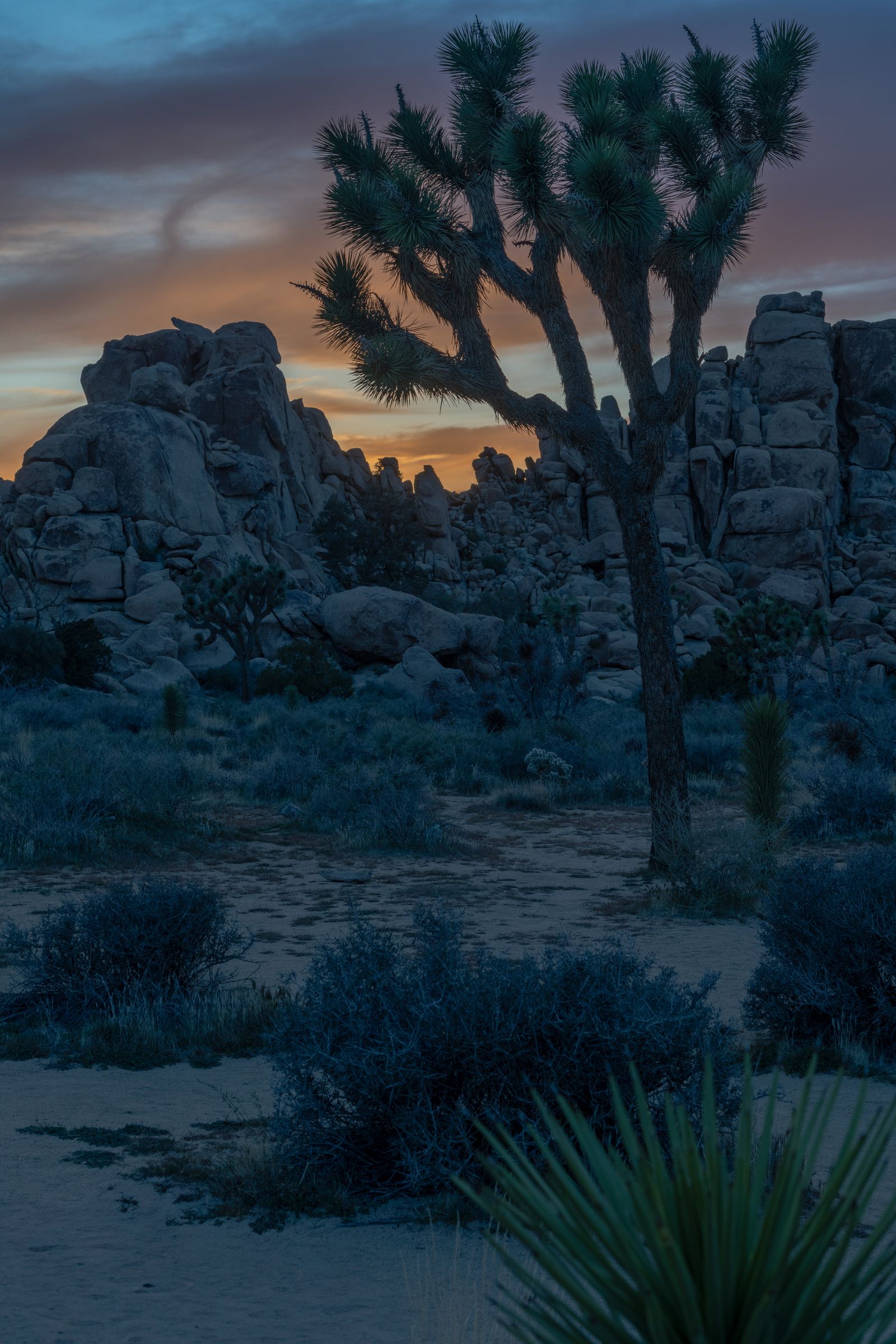
Photo: Robert Hacker / Pexels
California’s story draws on Native peoples who have lived here for thousands of years, the Spanish missions strung along El Camino Real, the Gold Rush, Hollywood, and a long tradition of welcoming newcomers from around the world. You will feel those layers in mission courtyards, historic Chinatowns, and the lively neighborhoods of every big city.
Flavors to try:
California layers are essential. The coast can be cool and foggy even in summer, while inland valleys and deserts get hot. Pack a light jacket or fleece, sunglasses, sunscreen, comfortable walking shoes, and sturdy shoes for park trails. Bring a swimsuit for the beaches and pools, and smart-casual outfits for wine country dinners.
September and October offer the sunniest coast and wine country at harvest. Spring is best for waterfalls and wildflowers.
Seven to ten days covers San Francisco, wine country, and the Central Coast. Two weeks lets you add Southern California or a national park.
As of fall 2026, Highway 1 is open through Big Sur. Conditions can change after storms, so always check before you go.
Not for U.S. citizens traveling within California. You will want one for any cruise that calls in Mexico, and international visitors should confirm their entry requirements.
For San Francisco alone, no. For wine country, the coast, and the parks, a car makes everything easier.
Whether you dream of a Highway 1 road trip, a wine country escape, a Yosemite adventure, or a cruise from the California coast, we will design the trip around your pace and interests.
Novera Travel will be happy to arrange your international flights when you’re traveling first class.
Call +1 33 22 NOVERA – +1 (332) 266-8372 or email info@noveratravel.com
Prefer to reach out another way? Visit our Contact page.
Novera Travel is an independent travel advisor of Fora Travel.