From Nyhavn’s colorful quay to Louisiana’s coastal galleries, Aarhus, Funen, and the dunes at Skagen—how we plan Denmark as a land trip, not only a cruise call.
Photo: Kristijan Arsov / Unsplash
Copenhagen is often the cheerful first or last port on a Baltic or fjord cruise, and our Scandinavia & Baltic cruises guide treats it that way. This guide goes further: Denmark as a land journey where you stay long enough to bike quiet streets, day-trip to North Zealand’s castles, ride west to Aarhus, cross to Funen, and reach Skagen where two seas meet. The capital’s food halls, design shops, and harbor baths are only the opening chapter.
What travelers love is how human-scaled the country feels. Distances are manageable by train, English is widely spoken, and the design culture shows up in everything from street furniture to museum cafés. Summer brings long pale evenings; winter brings candlelit hygge and Christmas markets. We build itineraries that balance city nights with coast and countryside so Denmark never feels like a single postcard canal.
Our take: For a first land trip covering Copenhagen plus one or two regions, May–June or September offer long light without peak-summer density. Add December if markets are the priority.
Give the capital three or four nights. Neighborhoods around the harbors, Indre By, and the bridge districts each have a different pace. Day trips to North Zealand fit cleanly from here.
North of the city, Kronborg in Helsingør, Frederiksborg in Hillerød, and the Louisiana Museum of Modern Art on the Øresund coast make an outstanding full day or overnight. This is the classic “more than a cruise call” add-on.
Denmark’s second city pairs a lively food scene with bold waterfront architecture and easy access to Moesgaard and the open landscapes of Jutland.
The island between Zealand and Jutland holds Odense—Hans Christian Andersen’s hometown—plus manor countryside and half-timbered villages that slow the trip beautifully.
At Denmark’s sandy tip, dunes, artists’ light, and the meeting of Skagerrak and Kattegat reward travelers who go the extra distance.
Most US travelers fly into Copenhagen Airport (CPH), which has a train station under the terminal and frequent service to the city center. Domestic and regional trains make Aarhus, Odense, and further Jutland connections straightforward without a car, though a rental helps for Skagen and some Funen manor routes.
Entry rules: Denmark is in the Schengen Area. As of October 2026, US citizens may visit visa-free for up to 90 days in any 180-day Schengen period. Per the U.S. Department of State, your passport should be valid at least three months beyond your planned departure from the Schengen Area. The EU Entry/Exit System (EES) has been fully operational since April 10, 2026: fingerprints and a facial image are registered digitally at external borders. ETIAS is not operating yet—confirm status before you travel. We verify rules for every trip with official sources.
Travel advisory: As of October 2026, the U.S. Department of State rates the Kingdom of Denmark at Level 2: Exercise Increased Caution due to terrorism (advisory dated September 17, 2024, and still listed at that level on travel.state.gov). Read the full advisory on travel.state.gov and enroll in STEP. Stay aware of your surroundings at tourist sites, transport hubs, and crowded events, and follow local authorities’ guidance.
Copenhagen excels at thoughtful contemporary hotels with calm rooms, excellent beds, and locations near harbors or parks. Ideal for travelers who want the city’s aesthetic without a resort setting.
Staying near Nyhavn, Kongens Nytorv, or the Latin Quarter puts walking days at your door. Expect atmosphere and easy café access; evenings can be lively.
Bases near the Øresund or castle towns suit travelers who want museum mornings and quieter nights after Copenhagen.
Aarhus offers compact walkable lodging near the Latin Quarter or the redeveloped harbor—good for food-focused nights.
Simple, design-minded stays near the sand and artists’ quarter fit the northern tip’s slower rhythm.
Advisor tip: When you book through Novera Travel, we can often add amenities at select partner properties—daily breakfast, room upgrades when available, property credits, and welcome amenities. Ask which partners fit your dates.
Nyhavn’s painted townhouses and wooden masts are Denmark’s most photographed quay, and they still charm when you arrive early before the café tables fill. Beyond the canal, Copenhagen rewards wandering: bridges to Christianshavn, waterfront promenades, design shops in Indre By, and food halls where open-faced smørrebrød becomes lunch and dinner. Harbor baths and bike lanes make the city feel lived-in rather than staged for visitors.
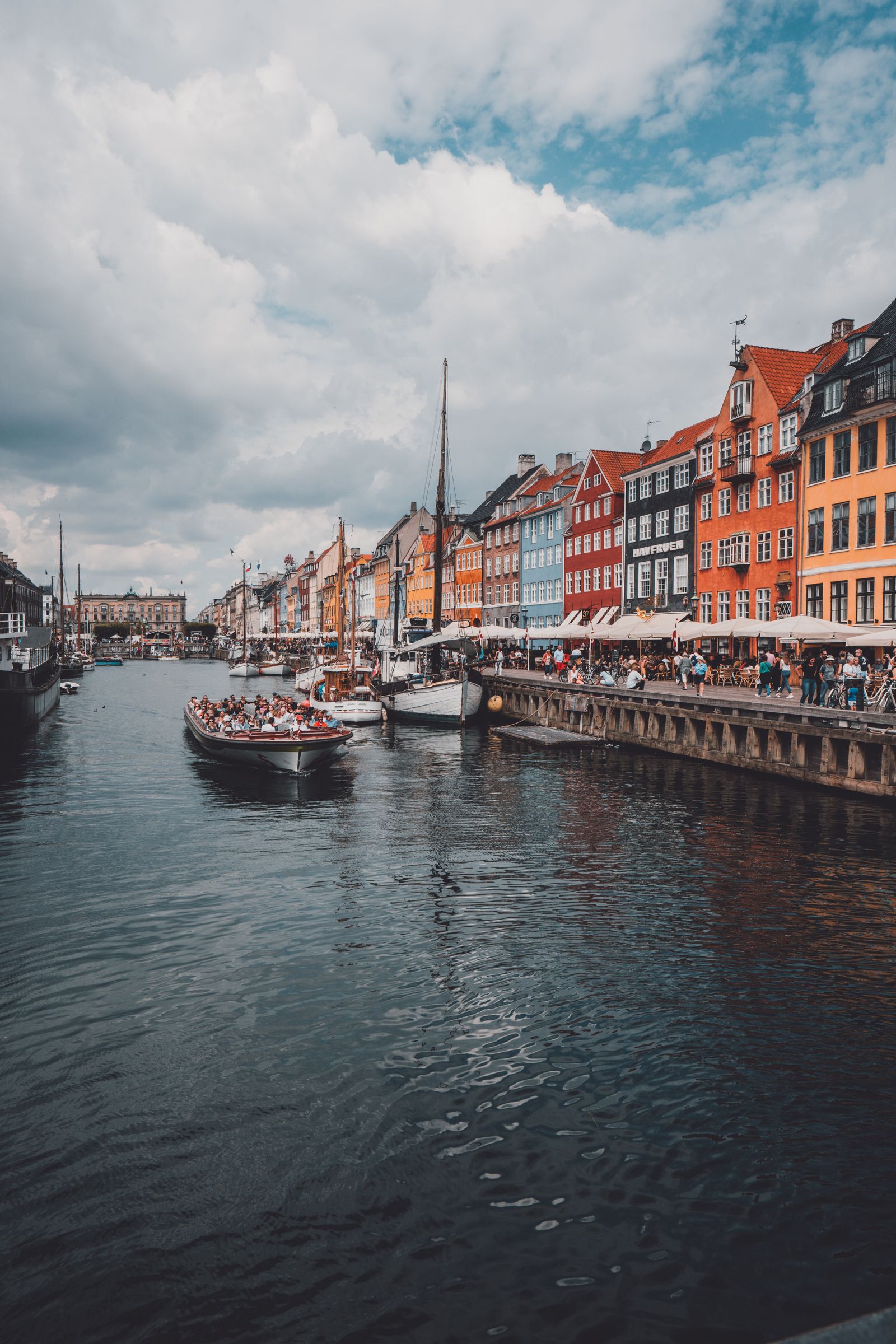
Three or four nights let you mix icons with neighborhood time. Visit a royal palace exterior and gardens, then spend an unhurried afternoon in a district where locals grocery-shop by bike. Evening light in summer stretches late; in winter, candles in windows define the mood. If you are arriving before or after a Baltic cruise, an overnight or two here turns a port call into a real introduction—exactly the deeper land chapter our cruise guests often request after reading the Scandinavia & Baltic cruises guide.
Copenhagen’s food culture is a reason to linger on its own: New Nordic tasting rooms, casual bakeries, and classic smørrebrød counters sit within the same short bike ride. We help you balance reservation-led evenings with spontaneous market lunches so the trip stays delicious without feeling over-scheduled. Public transit and bikes cover most needs; a car inside the city is rarely worth the parking.
Helsingør’s Kronborg Castle—Shakespeare’s Elsinore—guards the narrow Øresund with Renaissance towers and maritime history you can feel on the ramparts. A coastal train from Copenhagen makes the day easy, and the town’s waterfront adds ferries, seafood, and views toward Sweden on clear afternoons. It is the North Zealand stop that most clearly rewards travelers who stay beyond a cruise schedule.
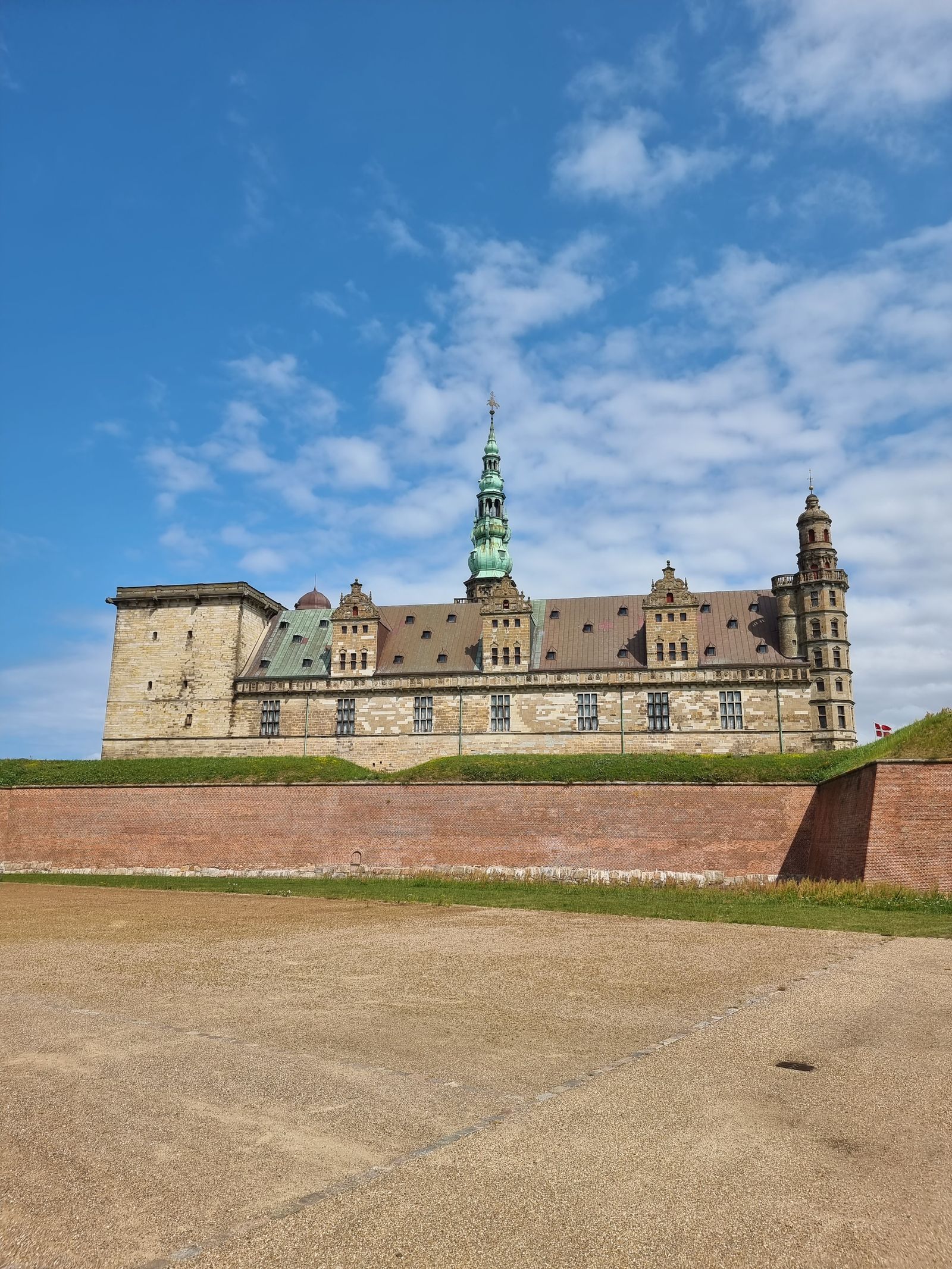
Pair Kronborg with a slow walk through Helsingør’s historic streets, or continue the coastal theme toward museum gardens and swimming jetties when weather allows. The castle interiors and casemates repay a guided visit if you like stories with your stonework; otherwise the exterior courtyards and sea walls alone justify the trip. We time North Zealand days to avoid the densest midday cruise peaks when possible, so the ramparts feel spacious and the sea wind has room to clear the courtyards between tour groups.
This region is also where Denmark’s royal and artistic identity sit side by side: fortress drama at Kronborg, then quieter cultural stops along the same shoreline that invite a coffee with a view toward Sweden. Build the day with one major castle and one softer stop rather than racing every site on the map, and North Zealand starts to feel like a destination of its own instead of a checklist outside Copenhagen.
Inland at Hillerød, Frederiksborg Castle rises from a lake with spires that look almost storybook against the trees. The national history museum inside and the Baroque gardens outside make a full half-day. Combine it with the Louisiana Museum of Modern Art in Humlebæk—celebrated for contemporary collections and a sculpture park that opens to the Øresund—when you want culture with a sea breeze.
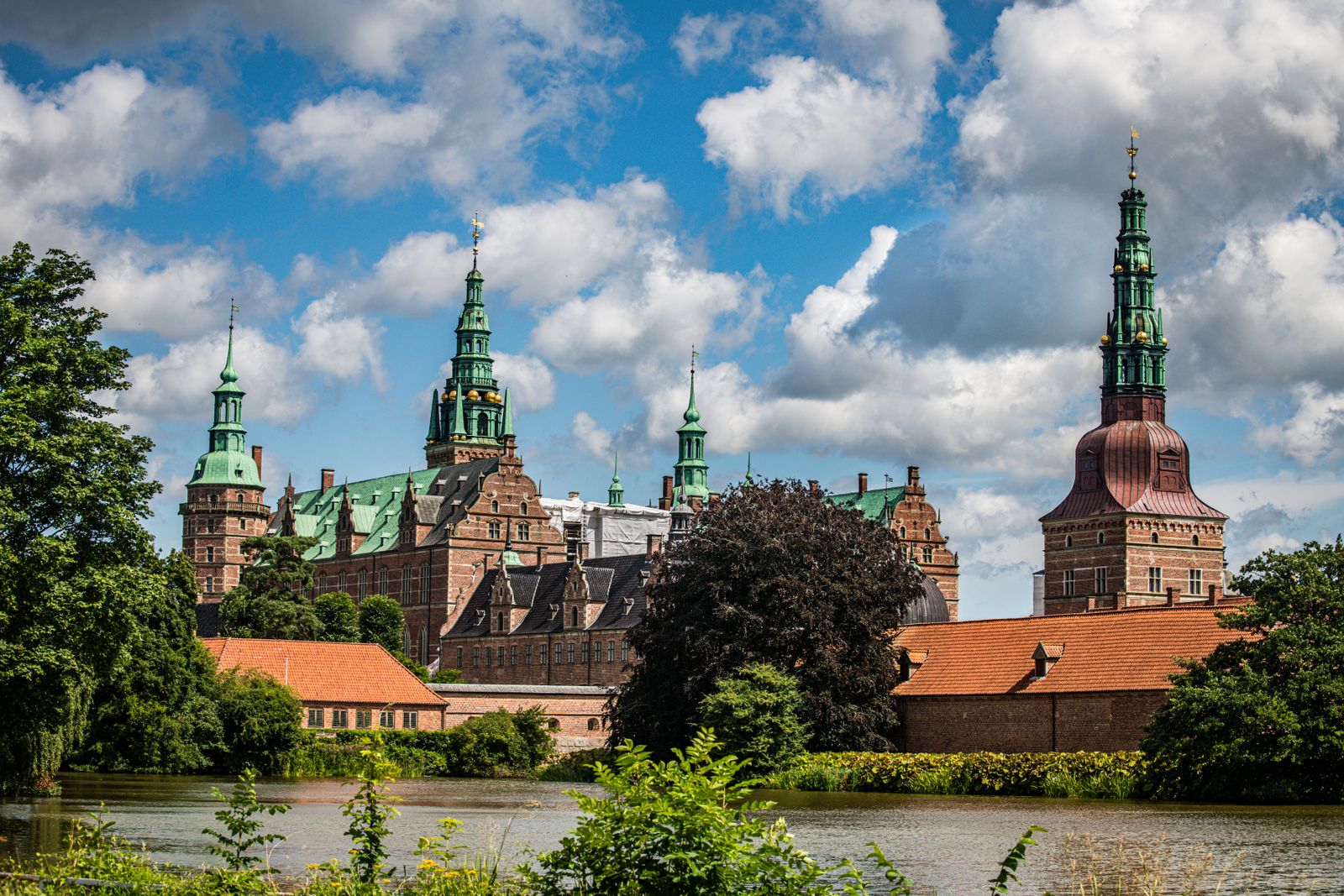
Louisiana’s indoor galleries and outdoor sculptures are a highlight for design-minded travelers; the café and lawns invite lingering that a rushed port call never allows. Frederiksborg offers a contrasting royal grandeur a short drive or train link away, with lake reflections that change hour by hour. Together they define North Zealand as more than a single castle photo. We often schedule Louisiana on a separate morning from Kronborg so neither feels abbreviated, and we confirm seasonal hours before locking the day into your itinerary.
Whether you overnight on the coast or return to Copenhagen, this pairing shows why Denmark rewards land time: art, landscape, and royal history within a compact radius, connected by trains that run like clockwork. It is also the stretch where cruise passengers most often tell us they wish they had booked extra nights—the museums and gardens simply need unhurried hours.
Aarhus faces the bay with a skyline of contemporary cultural buildings and a walkable Latin Quarter of cafés and independent shops. The city’s food scene punches above its size, and museums from ARoS to Moesgaard give rainy-day depth. It is the natural hub for travelers heading into Jutland or continuing north toward Skagen.
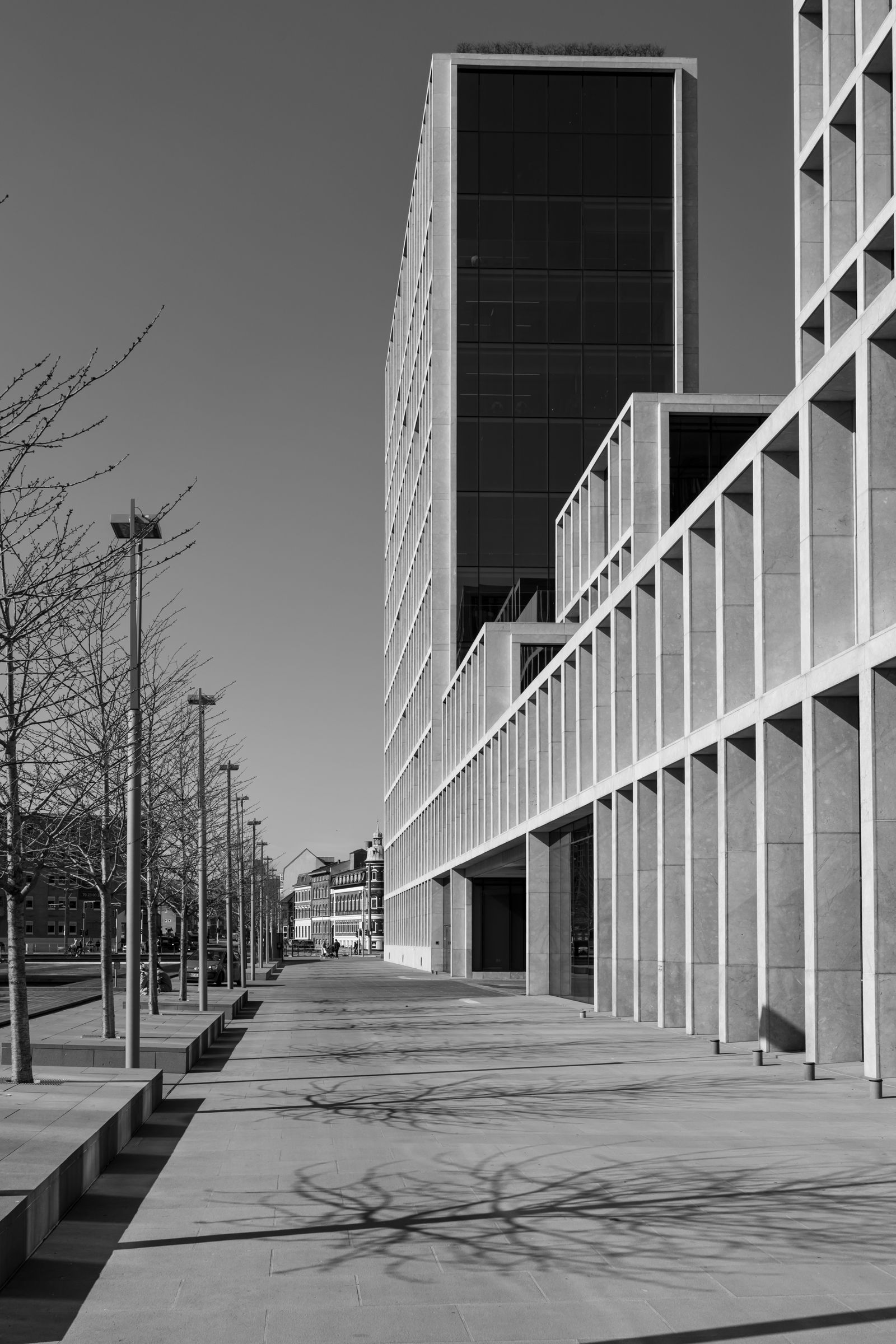
Arrive by train from Copenhagen in a few hours and give Aarhus at least two nights. Spend one day on the waterfront and Latin Quarter, another on a museum or coastal walk when the bay is calm. The pace is less international-flash than Copenhagen and more local-creative, which many clients prefer after capital nights. From here, day trips into the surrounding countryside or onward rail toward Aalborg and Skagen keep the itinerary flexible without forcing a rental car on day one.
Aarhus also works as a counterweight to castle country: modern architecture, university energy, and harbor redevelopment instead of Renaissance ramparts and royal gardens. That contrast is why we rarely treat Denmark as Copenhagen alone when travelers have a week or more—the second city adds a different Danish voice that makes the whole country feel larger and more complete.
Funen sits between Zealand and Jutland, a green island of manor farms, thatched villages, and Odense—Denmark’s third city and the birthplace of Hans Christian Andersen. The historic center, museums tied to Andersen’s life, and nearby countryside drives make Funen a gentle middle chapter between capital polish and Skagen’s raw northern light, especially for travelers who want a softer day between train segments.
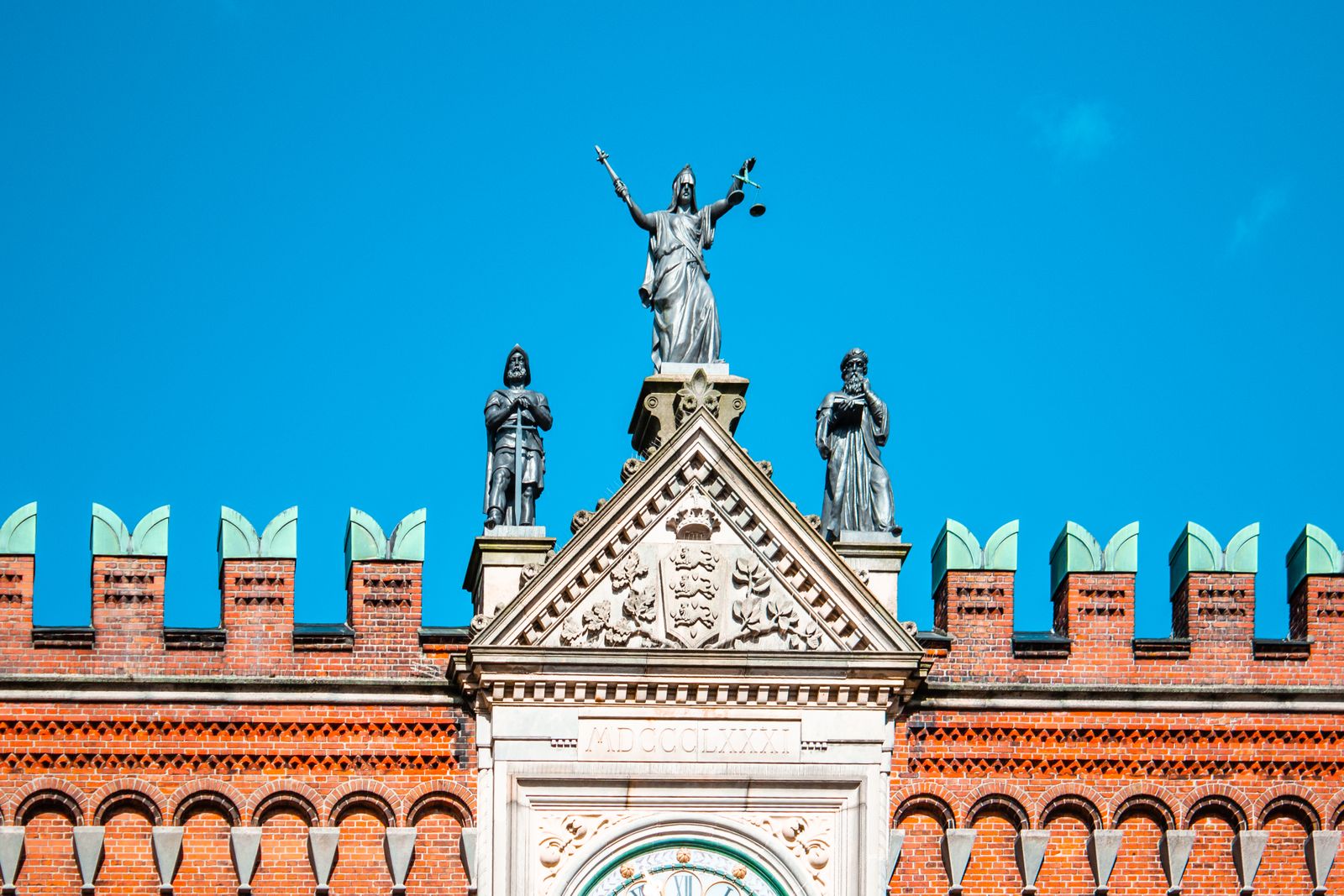
Odense is easy by train; a car helps if you want manor gardens and coastal villages beyond the city. Families enjoy the fairy-tale associations; design travelers notice how even smaller Danish towns keep public spaces tidy and bike-friendly. One or two nights is enough for most itineraries, longer if you want to slow into island time. We place Funen between Copenhagen and Jutland so the geography of the trip mirrors the ferry-and-bridge logic of the country itself.
Expect half-timbered streets, café culture, and a softer nightlife than the capital. Funen is where Denmark feels pastoral without becoming remote, and it prepares you for the longer haul north to Skagen.
Skagen sits at Denmark’s northern tip, where sand dunes, artists’ colonies, and a distinctive silver light have drawn painters for generations. The buried church tower rising from the dunes is an unforgettable silhouette, and the beaches feel wide open after city days. Grenen’s sandy spit, where Skagerrak and Kattegat currents meet, is the geographic exclamation point of a Denmark land trip.
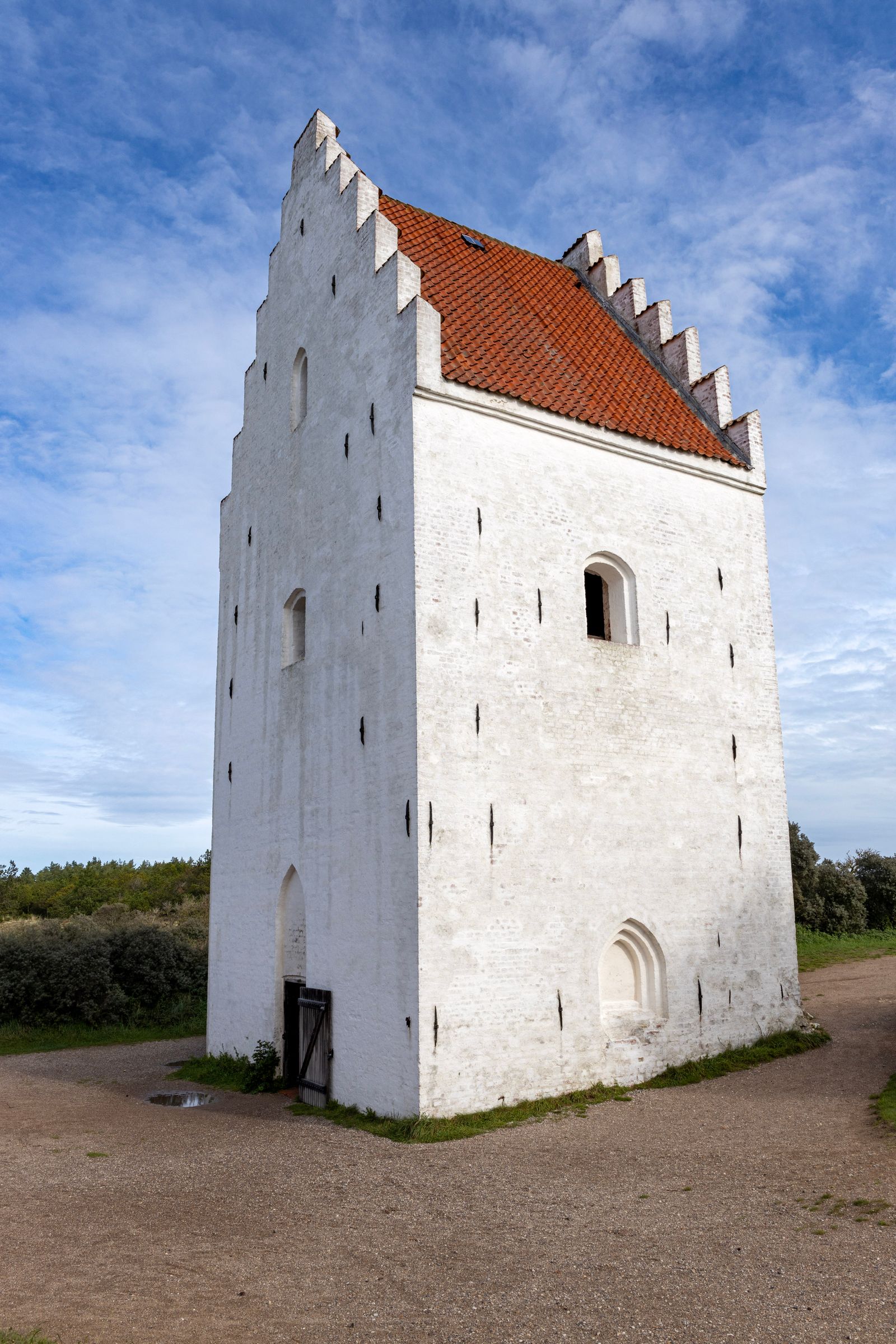
Getting here takes commitment—rail and bus links via Frederikshavn or a drive from Aarhus—but the payoff is a Denmark most cruise itineraries never reach. Stay at least one night; two is better for beach walks, the artists’ museum quarter, and a sunset on the dunes when the sky turns pearl and amber. Weather shifts quickly along the tip; pack a shell even in summer and keep one indoor gallery hour as a wind backup. The town’s yellow houses and small galleries reward slow evenings after those coastal afternoons.
Photographers chase the famous Skagen light for good reason: low sun, pale sand, and wide horizons create a palette you will not find in the capital. Walk the dunes with respect for protected areas, and leave time simply to stand at the waterline without rushing to the next train. Skagen works best when the itinerary stops treating Denmark as a short list of cities and starts treating it as a country with a true north.
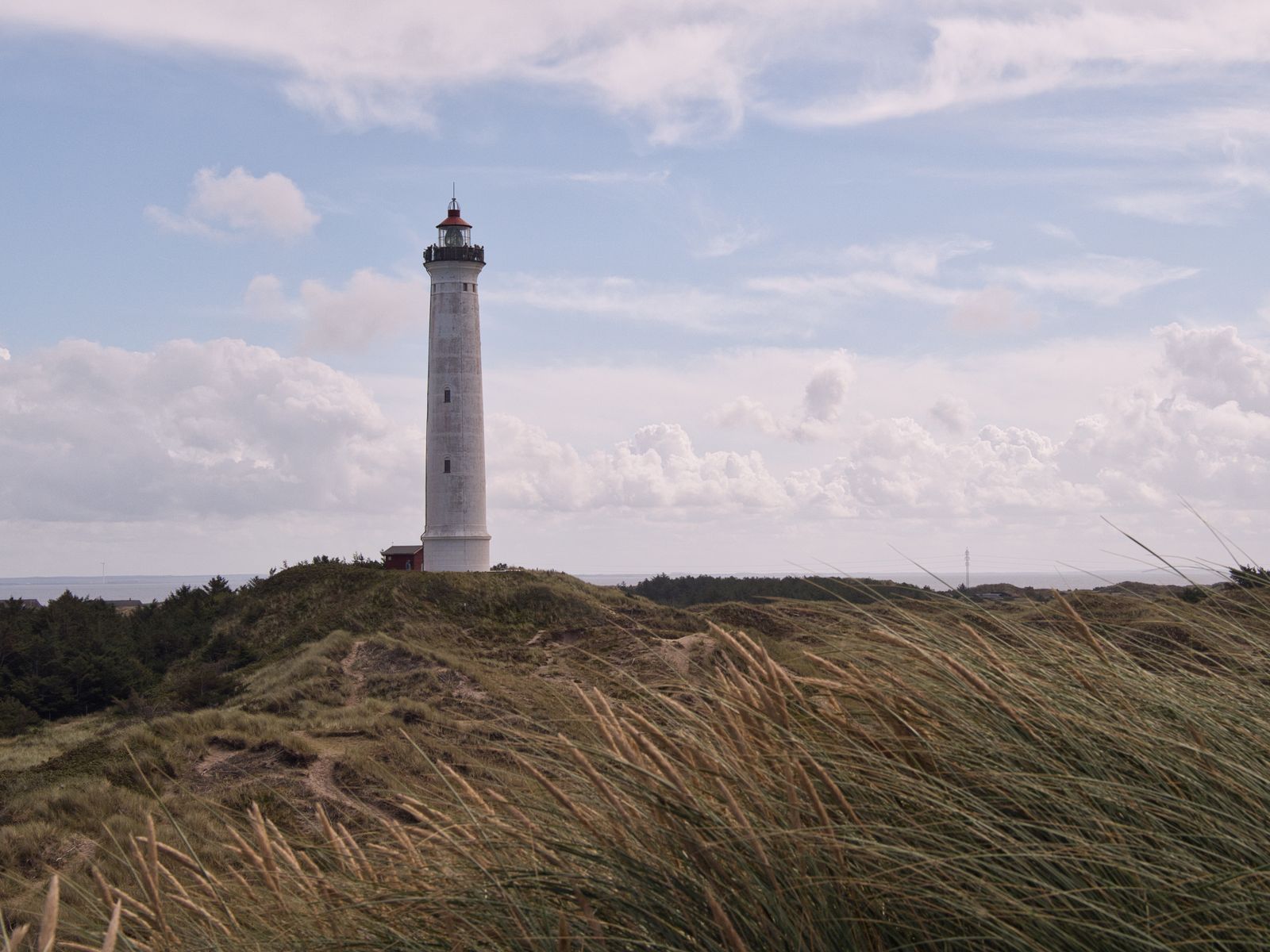
Lighthouses and long beaches define the outer coast, with maritime history written into every view. We plan Skagen as a finale when travelers want a wilder note after Copenhagen’s polish, or as a northbound goal after Aarhus. Either way, standing where two seas meet is the kind of place-specific memory that justifies choosing a land itinerary over another port day alone.
Comfortable walking shoes for cobbles and long museum days, a waterproof layer for coastal wind, and layers for evenings that cool quickly even in summer. Smart-casual clothing suits Copenhagen restaurants; bring a swimsuit if harbor baths appeal. In winter, add a warm coat, gloves, and shoes with grip for icy sidewalks. A compact daypack and universal adapter cover trains and castle days.
May through September for long days and outdoor life; December for Christmas markets; shoulder months for quieter museums and castles.
As of October 2026, US citizens can visit visa-free for up to 90 days in any 180-day Schengen period, with passports meeting State Department validity rules. EES applies at external borders; ETIAS is not running yet—check status before travel.
Four to five days cover Copenhagen and a North Zealand day well. Allow eight to twelve days to add Aarhus, Funen, and Skagen.
As of October 2026, the U.S. State Department advisory for the Kingdom of Denmark is Level 2: Exercise Increased Caution due to terrorism (dated September 17, 2024). Read the full advisory on travel.state.gov and enroll in STEP. Stay aware in crowded tourist and transport areas.
It is a wonderful port, but the city and North Zealand deserve nights on land. Cruise guests often add two or three hotel nights before or after sailing.
Not for Copenhagen and many train-linked towns. A car helps for Skagen, some Funen countryside, and flexible North Zealand routing.
Smørrebrød, fresh seafood, rye bread, cinnamon pastries, and New Nordic seasonal cooking. Food halls make sampling easy without a formal reservation every night.
The right mix of capital nights, castle country, and a northern finale—and the restaurant and museum timing that make them sing—is what we plan every week. As independent affiliates of Fora Travel with IATAN accreditation, the Novera Travel team will match you with the right itinerary and properties, look for added amenities at select hotels, and coordinate trains, drivers, and land extensions around any Baltic or fjord sailing you may also be considering.
Novera Travel will be happy to arrange your international flights when you’re traveling first class.
Call +1 33 22 NOVERA – +1 (332) 266-8372 or email info@noveratravel.com