Five-hundred-year-old streets, rainforest waterfalls and glowing bays, all a short hop from home.
Photo: Jameson Berrios / Unsplash
Puerto Rico packs an astonishing amount into one island. In a single week you can wander the cobblestones of a walled colonial city, hike beneath the canopy of a tropical rainforest, swim off a beach that regularly lands on lists of the world’s best, and drift across a bay that sparkles blue-green with every stroke of your paddle. Few Caribbean destinations combine that range without a passport for most U.S. travelers, which is why so many of our clients use Puerto Rico for both long weekends and full island loops.
What we tell our clients is that Puerto Rico offers the ease of domestic travel with the feel of somewhere wonderfully different. As a US territory, it’s simple for American travelers to visit, yet the rhythm of life, the language you hear on the street and the flavors on your plate are all distinctly Puerto Rican. Plan for Spanish on menus and radio stations, salsa spilling from plazas at night, and a food culture that runs from Beach kiosk fritters to leisurely meals of mofongo and lechón.
At a Glance
Our take: For the most reliable weather, aim for winter and early spring. For a festive trip, January brings the San Sebastián Street Festival to Old San Juan, usually in mid-to-late January (check dates before you travel).

Photo: Shelymar Rosa Caraballo / Unsplash
The capital is the natural base for most trips. Stay in or near Old San Juan for history, galleries and evening strolls, or in the beachfront neighborhoods nearby for sand right outside your door. Many of our clients split time between the walled old city and Condado or Isla Verde so mornings feel historic and afternoons feel like a beach holiday without changing hotels every night.
The northeast corner is home to El Yunque National Forest, the Fajardo area and the ferry and small-plane links to Culebra and Vieques, two quieter islands with some of the Caribbean’s most beautiful beaches. Build buffer time for weather-dependent crossings; a flexible day on either side of an island stay turns a logistical gamble into an easy part of the trip.
Drier and sunnier, the south is anchored by Ponce, the island’s elegant second city, with its grand plaza, museums and architecture. The light feels different from San Juan’s Atlantic edge, and the pace is slower, which makes a south-coast overnight especially rewarding on a road-trip itinerary.
Rincón and the surrounding coastline are known for surf, laid-back towns and some of the best sunsets in Puerto Rico. Winter brings longer daylight for beach hours and, on lucky days, humpback whales offshore, while summer softens the crowds without losing the west coast’s easygoing mood.
The Cordillera Central runs down the spine of the island, with winding roads, cool air, coffee farms and roadside kitchens slow-roasting pork. A mountain day resets the senses after beach heat and gives you a side of Puerto Rico that many short trips never reach.
San Juan works as a hub, but the island rewards travelers who leave the metro. We usually sketch a first-timer’s map with two or three overnight bases rather than one long stay in the capital alone. That way you sample rainforest, colonial streets and at least one quieter coast without living out of a suitcase every morning.
Getting there: Most visitors arrive at San Juan’s international airport, which has nonstop service from many US cities, and some flights also serve the west and south of the island. Once you land, we take care of everything: where to stay, transfers, rental cars, guides and the trickier logistics, such as reaching Culebra and Vieques. Domestic flight rules still apply for most U.S. citizens, which keeps arrival simple compared with many Caribbean islands.
Advisor tip: As a Fora advisor, we can often secure added perks at select partner hotels, such as breakfast, room upgrades when available and flexible check-in or check-out. Ask us which properties offer the best extras for your dates.
Founded in the early 1500s, Old San Juan is one of the oldest European-founded cities in the Americas. Its blue cobblestone streets are lined with houses in coral, mint and gold, flower-draped balconies and shady plazas that look painted for a film set and somehow still feel lived in. Come early, when the heat is gentle and café tables are just opening, and you will understand why so many trips begin and end here.
An early-morning stroll before the day warms up, ending with a strong Puerto Rican coffee in a quiet plaza, is our favorite first hour on the island. Later, return for plazas at dusk, when the forts throw long shadows and music drifts from doorways. Old San Juan is compact enough to walk, which makes it ideal after a mainland flight when you want atmosphere without another transfer.
Castillo San Felipe del Morro guards the entrance to San Juan Bay with six levels of stone ramparts, while the even larger Castillo San Cristóbal protected the city from land attack. Both are part of a national historic site and a UNESCO World Heritage Site, and together they explain why this harbor mattered to empires for centuries. Give yourself time on the lawns and sentry boxes, not only inside the tunnels.
Watching kites fly over the vast green lawn in front of El Morro as the sun sets over the Atlantic is a San Juan ritual worth planning around. Families picnic, couples walk the walls, and the city feels briefly like a neighborhood park that happens to sit on a fortress. Pair El Morro with San Cristóbal on the same day if energy allows, or split them across two visits so the stone and sea air do not blur together.
The only tropical rainforest in the US National Forest System, El Yunque is a world of giant ferns, misty peaks and tumbling waterfalls, alive with the song of the tiny coquí frog. Trails range from short waterfall walks to steeper climbs, so we match routes to your group rather than forcing a one-size hike in humidity. Clouds move fast here; a shower that looks dramatic often passes before you have finished a coffee at the trailhead.
A guided hike to a jungle waterfall, followed by a cool swim in a natural pool when conditions allow, is the El Yunque day most travelers remember longest. Bring grip shoes, a light rain layer and reef-safe sunscreen for the open sections of trail. We reserve access and guide slots ahead when rules require it, so you are not gambling on walk-up capacity after a long drive from San Juan.

Photo: Eric Ardito / Unsplash
This small island off the east coast feels a world away from the mainland, even though the crossing is short when seas cooperate. Flamenco Beach curves in a long crescent of powdery white sand and impossibly clear turquoise water that photographs almost unreal until you are standing in it. Bring a mask; the snorkeling near shore is often as memorable as the sand itself.
Snorkeling alongside sea turtles in the calm, clear water around Culebra is the standout many travelers chase, and we plan the day around water conditions rather than a rigid clock. Flamenco can fill up on peak weekends, so an early ferry or flight and a flexible picnic plan keep the mood easy. Overnight on Culebra if you can; sunset and early morning on that beach feel entirely different from a rushed day trip from the mainland.
Crossing to Culebra is part of the adventure, whether you fly in a small plane over turquoise shallows or take the ferry when seas allow. We build buffer days so a weather delay does not steal your only beach morning. Once you are there, keep the schedule light: Flamenco, a second cove if energy remains, and a quiet dinner in town as the island settles after the day visitors leave.
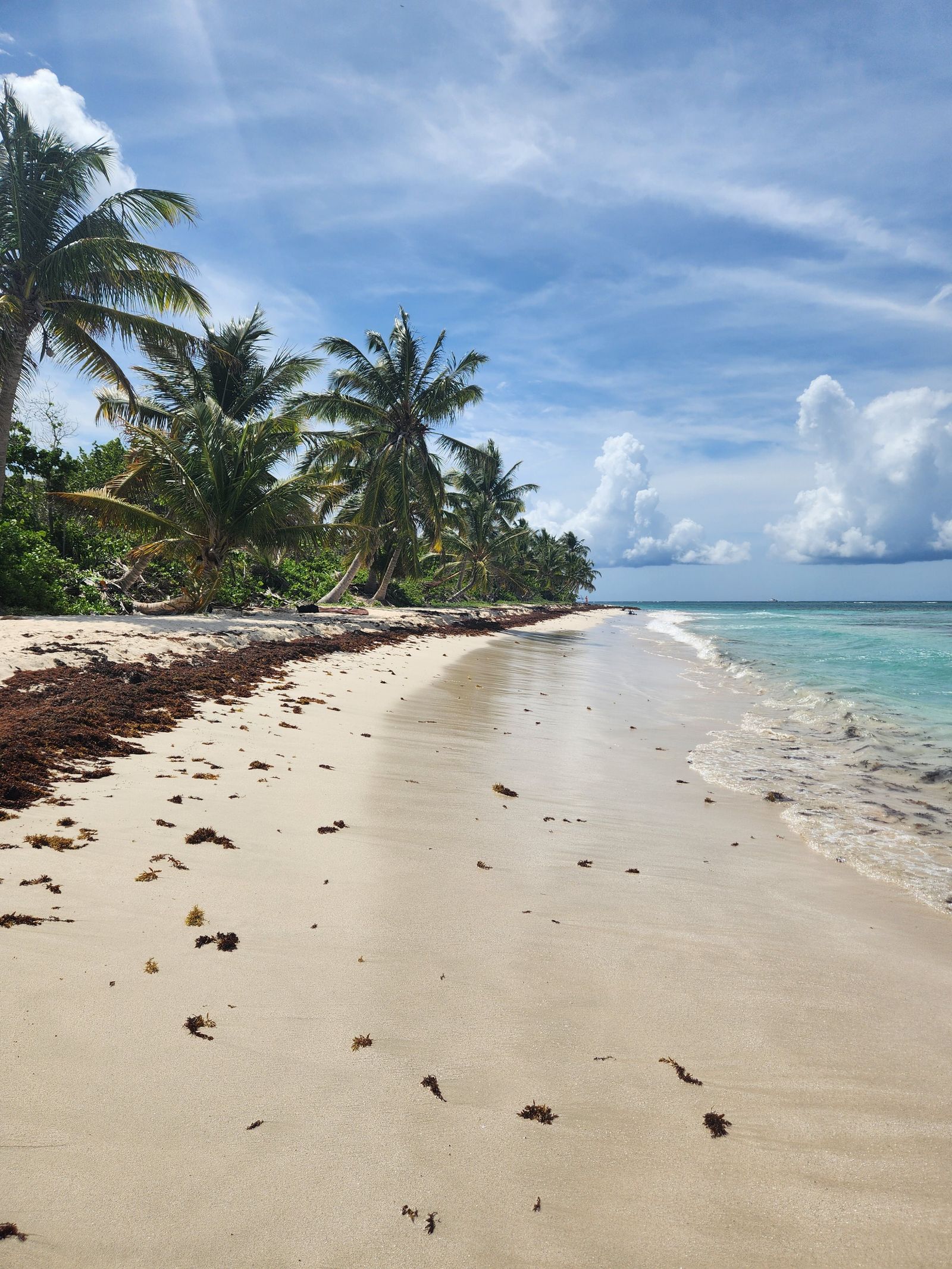
Photo: Small Steps / Pexels
Vieques is wild and unhurried, with horses roaming free across grassy roads, a large wildlife refuge and beaches that often feel all your own once you leave the ferry landing behind. It is also home to Mosquito Bay, considered one of the brightest bioluminescent bays in the world, a night paddle that can outshine every daytime highlight on the island. Puerto Rico has two more bio bays, Laguna Grande near Fajardo and La Parguera on the southwest coast, so you can still chase the glow even if Vieques logistics do not fit your dates.
Paddling a kayak on a moonless night as tiny organisms light up the water around you is the kind of experience people still describe years later in vivid detail. Bright moonlight dims the show, so we check the lunar calendar before locking the tour and keep a backup mainland bay option when clouds or timing interfere. Pair the bay with a slow beach day and you get Vieques at its best: quiet sand by day, blue-green magic after dark, and none of the mainland rush that can define a San Juan weekend.
Vieques rewards travelers who like wilder edges more than polished resort strips. Free-roaming horses, refuge beaches and fewer crowds give the island a different personality from Culebra’s famous crescent of sand. We often choose Vieques when bioluminescence is the priority and Culebra when Flamenco’s postcard beach is the must-see, then confirm ferry or flight logistics before you pack a single bag for the crossing.

Photo: Shino Nakamura / Unsplash
Known as the “Pearl of the South,” Ponce charms with its neoclassical mansions, leafy Plaza Las Delicias and the striped red-and-black Parque de Bombas, a historic firehouse that has become the city’s most beloved landmark. The architecture feels grander and more theatrical than Old San Juan’s pastel lanes, a reminder that Puerto Rico’s story is not only Atlantic and colonial. Museums and plaza cafés make it easy to linger without a checklist.
An unhurried afternoon on the plaza, admiring the firehouse and the cathedral beside it, is enough for many travelers, especially when paired with a south-coast overnight. Others add a museum stop or a drive toward drier coastal scenery nearby. Either way, Ponce gives road-trip itineraries a cultural midpoint between San Juan intensity and west-coast surf towns without demanding another full day of logistics.
The south feels sunnier and more open than the rain-prone northeast, which is part of Ponce’s appeal after El Yunque humidity. Pink and pastel facades, a grand plaza and an easy walking core make the city simple to enjoy on foot. We treat it as a pause in the loop: culture, coffee and a different Puerto Rican accent before the itinerary turns toward Rincón sunsets.

Photo: Eric Ardito / Unsplash
Rincón is Puerto Rico’s surf capital, with breaks for every level, laid-back beach towns and a lighthouse on the point that faces open ocean. In winter, humpback whales are sometimes spotted offshore, and the sunset crowd gathers with a patience that feels very west-coast Puerto Rico. Even non-surfers come for the vibe: casual restaurants, beach walks and evenings that stretch without a schedule.
Watching the sun sink into the sea from the lighthouse park, keeping an eye out for whales in season, is a simple ritual that costs nothing and often becomes the trip’s favorite photo. Stay a night or two if surfing or sunset watching is a priority; day-tripping from San Juan is a long drive for a short golden hour. We place the west coast near the end of many loops so you finish on a softer note than the capital’s energy.
Rincón’s shoreline changes character with the swell: some days invite longboard beginners, others draw experienced surfers to heavier breaks farther along the coast. Even if you never touch a board, the beach towns, casual seafood and open-ocean horizon deliver a classic Caribbean unwind. Ask us to balance surf lessons, whale season timing and quiet beach hours so the west coast matches how you actually want to spend the day.

Photo: Harry Gillen / Unsplash
Head inland for a different side of the island: mountain roads, coffee farms, viewpoints over green valleys and the vast limestone caverns of the Río Camuy cave system in karst country.
Standout experience: A slow scenic drive through the mountains, with a stop for roast pork and a coffee-farm visit.
Puerto Rican culture is a vibrant blend of Taíno, Spanish and African roots, and you’ll feel it everywhere: in the beat of bomba and plena drums, the salsa spilling out of doorways on a Saturday night and the colorful vejigante masks sold by local artisans. Food is a joy. Try mofongo, mashed green plantains with garlic, along with crispy alcapurrias and bacalaítos from beachside kiosks, slow-roasted lechón and rich arroz con gandules. The piña colada is said to have been created in San Juan, and the island’s coffee and rum are both points of pride.
1. Rent a car beyond San Juan. Driving is the easiest way to explore the island. Road signs show distances in kilometers but speed limits in miles per hour.
2. Plan the bio bays around the moon. The glow is most vivid on dark nights, so check the lunar calendar before you book a tour.
3. Reserve popular experiences early. Access rules and tour spots can change or fill up, so let us arrange them ahead.
4. Leave time for Culebra and Vieques. Island crossings can be affected by weather, so build a buffer day into your plans.
5. Respect nature. Use reef-safe sunscreen, stay on marked trails and never touch coral or wildlife.
Do I need a passport to visit Puerto Rico?
Not if you’re a US citizen traveling from the mainland. For the flight, bring a REAL ID-compliant license or your passport. Non-US citizens should check US entry requirements.
Do people speak English in Puerto Rico?
Yes. Spanish and English are both official languages, and English is widely spoken in tourist areas.
When is hurricane season?
Roughly June to November. Check forecasts before you travel. For coverage questions, speak with a licensed insurance seller; Novera can introduce you to leading travel insurers, but we never advise which plan or coverage fits your trip.
How many days do I need?
Five days covers San Juan and El Yunque. With a week or more, add Culebra or Vieques, Ponce or the west coast.
Puerto Rico is easy to reach and full of surprises, and a little planning helps you see the best of it. As a Fora advisor, we’ll design the right mix of city, rainforest, beaches and islands, arrange guides, transfers and island crossings, and secure partner perks where available.
Novera Travel will be happy to arrange your international flights when you’re traveling first class.
Call +1 33 22 NOVERA – +1 (332) 266-8372 or email info@noveratravel.com
Prefer to reach out another way? Visit our Contact page.
Novera Travel is an independent travel advisor of Fora Travel.