Ancient rock fortresses, misty tea hills, leopards and elephants, and palm-fringed beaches, all on one island you can cross in a day
Photo: Stephanie Perera / Pexels
Few places pack this much variety into so compact an island. In one trip, we can have you climbing a fifth-century citadel at sunrise, sipping single-estate tea on a colonial-era bungalow veranda, tracking elephants at dusk, and ending the week on a sleepy southern beach. Sri Lanka rewards travelers who like their days layered: culture in the morning, wildlife in the afternoon, and a seriously good curry at night, without the logistics of hopping between multiple countries.
Distances look short on a map, yet the island changes character every few hours: dry-zone ruins, misty tea hills, monsoon-timed beaches and leopard country all fit a two-week loop when the routing is smart. That is why we treat Sri Lanka as a driver-guide destination first and a DIY scramble never. A well-paced itinerary feels generous rather than exhausting, which is the difference between loving this island and merely surviving the roads.
At a Glance
Two monsoons hit opposite sides of the island, so somewhere is almost always in season.
Our take: For a classic first-timer loop (Cultural Triangle, Kandy, tea country, south coast), we love January through March. If your dates fall in summer, we pivot the beach time to the east coast and time a Kandy visit for the Esala Perahera when festival dates align with your travel. Matching coast to monsoon is the single best planning decision we make for clients.
We also watch festival calendars and train status when we build the hill-country chapter. A full moon (poya) day can close alcohol sales and slow traffic, while a repaired rail segment can restore a scenic ride that was unavailable the month before. Flexibility on exact nights in each region keeps the trip smooth when weather or works shift.
The island’s ancient heartland, anchored by Sigiriya, Dambulla, Polonnaruwa, and Anuradhapura. Expect ruined royal cities, colossal stupas, and dry-zone forest that feels a world away from the palm coast. Base yourself near Sigiriya or Habarana and explore in early mornings before the heat builds, when stone and scrub are still cool and the light is soft on the rock fortress.
Kandy, the last royal capital, sits around a lake and is home to the Temple of the Tooth Relic. Climb higher and the landscape turns to emerald tea terraces around Nuwara Eliya, Hatton, Haputale, and Ella, with cool nights, waterfalls, and hiking trails that smell of wet leaf and woodsmoke. This is where many travelers fall in love with Sri Lanka’s quieter pace after the Cultural Triangle’s intensity.
Tea country is not only a train ride and a photo of green rows. Estate visits, bungalow mornings and walks between villages give the hills a lived-in feel that beach days alone cannot match. We usually keep at least two nights here so you are not racing from temple drums to misty ridges in a single exhausted transfer.
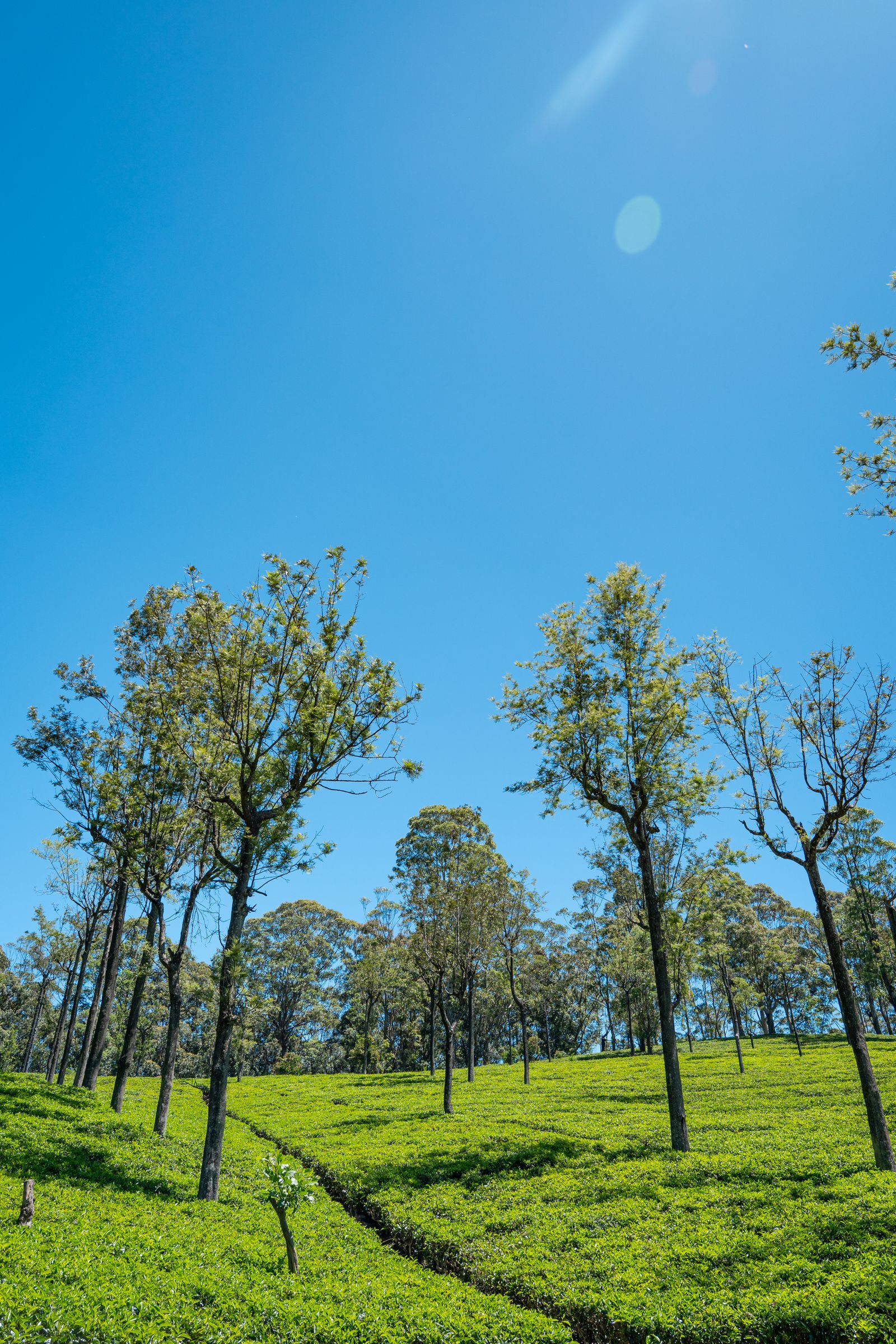
Photo: Thilina Alagiyawanna / Pexels
From the Dutch-era ramparts of Galle Fort east through Unawatuna, Weligama, Mirissa, and Tangalle, the south is all golden coves, surf breaks, and stylish villas facing the open Indian Ocean. Winter and early spring bring the most reliable beach weather here, which is why we place south-coast nights near the end of classic first-timer loops.
Trincomalee’s deep natural harbor, the reefs off Pigeon Island, and the laid-back surf town of Arugam Bay make the east the summer alternative when the southwest monsoon soaks the south. Whale watching and snorkeling seasons flip with the coasts, so we match beach chapters to your travel month rather than forcing a postcard that will be rainy.
Yala and Udawalawe in the south and Minneriya, Kaudulla, and Wilpattu farther north are the headline parks for leopards, elephants, sloth bears, and spectacular birdlife. Park choice depends on season and what you most want to see; we do not promise sightings, but we do choose operators and timing that maximize respectful viewing.
Worth a night or two for its food scene, colonial architecture, galleries, and boutique shopping when you want a soft landing after a longhaul flight. Many travelers skip the capital on a tight trip, and that is fine if the Cultural Triangle is calling; others linger for hoppers, galleries and a city contrast before the ruins begin.
For return visitors, the Tamil north offers striking Hindu kovils, a distinct cuisine, and island-dotted lagoons that see far fewer travelers. We plan northern extensions carefully around current conditions and the traveler’s comfort with more remote roads, especially given lingering landmine risk in marked areas of the north and east.
There are no nonstop flights from the US, so most travelers connect through a Gulf, European, or Asian hub into Colombo (CMB). From the airport, we arrange a private driver straight to your first stop rather than forcing an overnight in the city unless you want one. Within the country, most touring is done by road with a driver-guide, supplemented by scenic rail when the hill-country line is open on your stretch, and occasionally by domestic charter for longer hops.
Entry rules (as of October 2026): Travelers, including US citizens, must obtain an Electronic Travel Authorization (ETA) online through the official Sri Lankan government portal before arrival. For US citizens, applying for the tourist ETA is currently free. Tourist ETAs generally allow a 30-day stay, with extensions possible after arrival. Your passport should be valid for at least six months from your arrival date, and you should carry proof of onward or return travel. Rules can change quickly, so we recheck requirements for every client before departure.
The US State Department rates Sri Lanka at Level 2, “Exercise Increased Caution,” citing civil unrest, terrorism, and landmines, with particular caution urged in parts of the north and east where clearance is incomplete. Review the full advisory before you travel, enroll in the Smart Traveler Enrollment Program (STEP), and ask us about routing if the north is on your wish list. Novera works with world-leading travel insurance providers; a purpose-built plan from a dedicated travel insurer usually beats a credit card’s complimentary coverage, and you should speak with a licensed insurance seller about your dates, medical needs and destinations.
Mainstream: Comfortable four-star hotels, a car and driver, and a well-paced loop of the highlights.
Premium: A licensed chauffeur-guide who stays with you throughout, plus boutique heritage hotels, a private-villa stay on the south coast, and expert-led site visits.
Luxury: Think tented safari camps on the edge of Yala, restored planters’ bungalows with butlers in tea country, and refined hotels inside Galle Fort. Private site guides and smart routing help you skip the longest drives.
Small-group tours: Ideal for solo travelers or anyone who wants the logistics fully handled, with a set itinerary and like-minded companions.
> Advisor tip: Booking through us as a Fora advisor can unlock extra perks at many partner hotels in Sri Lanka, such as daily breakfast, a property credit, or a room upgrade when available. Benefits vary by property, so ask us what applies to your dates.
This sheer rock fortress rises dramatically above the jungle, crowned by the remains of a fifth-century palace. The climb passes frescoes, a mirror wall, and the giant lion’s paws guarding the final staircase before the final ascent to the summit plateau. It is strenuous in heat, which is why opening time matters, and why we build a recovery morning afterward rather than stacking another major climb the same day.
Start the climb at opening time to have the summit views mostly to yourself, with the forest canopy spreading below and Pidurangala often visible across the plain. Wear grip shoes, bring water, and let your guide set a steady pace on the steeper sections. Sigiriya is the Cultural Triangle’s signature image for a reason, and it rewards travelers who treat it as a highlight rather than a box to tick between hotels.
Five caves in a granite outcrop hold dozens of Buddha statues beneath centuries of painted ceilings that still glow with mineral color. The site pairs naturally with Sigiriya on the same circuit, though we prefer not to rush both in the hottest midday window. Modest dress is required, and the stone underfoot can be hot, so socks help after you remove shoes.
Visit late in the afternoon, when the light softens and the crowds thin, for a quieter walk through the caves. Guides help decode the painted narratives so the visit feels like more than a quick photo stop. Dambulla is also a useful orientation to Sri Lankan Buddhist art before you reach Kandy’s living temple traditions.
Two UNESCO-listed ancient capitals with sprawling ruins of palaces, dagobas, and reservoirs that once irrigated a sophisticated dry-zone civilization. Polonnaruwa’s Gal Vihara rock carvings are among the finest in Asia, with seated and reclining Buddhas cut from a single granite face. Anuradhapura’s sacred city rewards a slower day among stupas and monastic remains if your itinerary has the nights to spare.
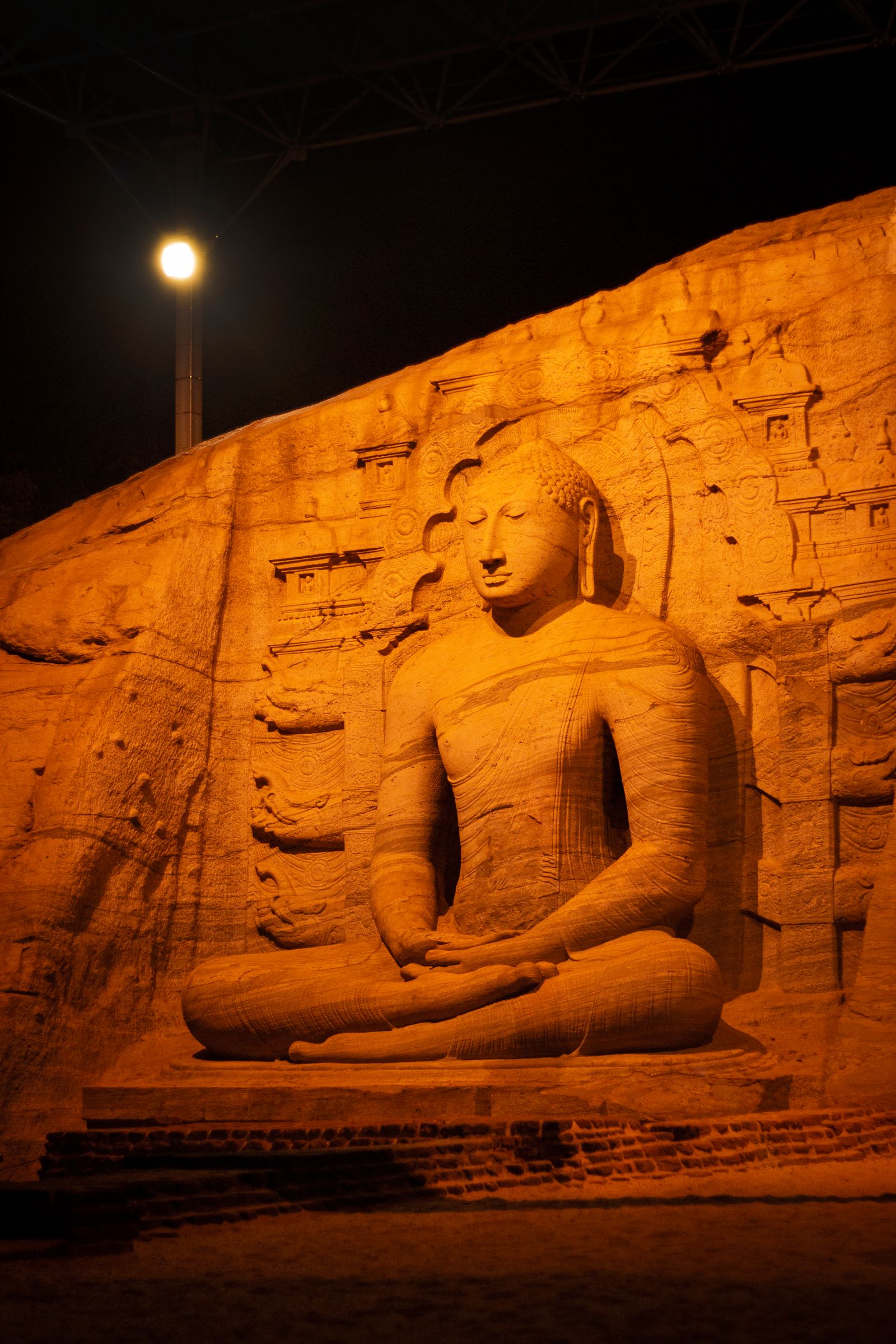
Photo: Chathura Anuradha Subasinghe / Pexels
Explore Polonnaruwa by bicycle with a guide when fitness allows, pedaling between temples on shaded paths instead of hopping on and off a van every few minutes. The site spreads out, and moving under your own power makes the scale of the old city easier to feel. We schedule these ruins for cooler hours and keep water, sunscreen and temple-ready clothing in easy reach.
Gal Vihara alone can stop even experienced travelers mid-sentence: the calm of the carved figures, the grain of the stone and the quiet of the clearing combine into one of Sri Lanka’s most moving cultural moments. Give it time. Rushing onward to tick another ruin rarely improves the day as much as sitting with what you have already seen.
Sri Dalada Maligawa enshrines one of Buddhism’s most revered relics, and the lakeside city around it was the last capital of the Sinhalese kings. The atmosphere during evening puja, with drums, chanting and offerings of flowers, is unforgettable even for visitors who are not Buddhist. Dress codes are taken seriously here, so plan covering layers before you arrive at the gates.

Photo: Chathura Anuradha Subasinghe / Unsplash
Time your visit for an evening ceremony, then stroll the lakeside as the lights come up and the hills darken around the town. Kandy also works as a bridge night between the Cultural Triangle and the higher tea country, which is how we usually place it on first-timer routes. If your dates overlap the Esala Perahera, expect crowds, pageantry and the need to book lodgings early.
The Temple of the Tooth is a living place of devotion, not a museum diorama, so move quietly, follow guidance on photography and give worshippers space. That respect makes the visit richer. Afterward, a simple lakeside walk helps the drums and incense settle before the next morning’s climb into cooler hills.
The rail journey through tea country is one of the world’s great train rides, and the stone Nine Arch Bridge near Ella is its icon for good reason: jungle, arches and a curving track that looks painted for a film. Note that cyclone damage in late 2025 closed parts of the line; as of October 2026 the scenic Nanu Oya–Ella stretch was running again, while sections nearer Kandy were still under repair. We plan around the current status rather than promising a full Kandy-to-Ella classic if works remain.

Photo: Julia Perera / Unsplash
Ride the Nanu Oya–Ella section when it is open, then walk to a viewpoint above the bridge to watch a train curve across the stone arches through the trees. Reserved seats sell out in peak months, so we book ahead and keep a road backup if schedules shift. Ella itself pairs the bridge with short hikes and tea-country evenings that feel worlds away from Colombo’s heat.
Hill-country mornings often begin in mist that lifts to reveal layered green ridges and waterfall threads on distant slopes. Pack a warm layer even in “tropical” Sri Lanka; nights at elevation can surprise you. Two nights here beats one, because the train, a tea estate visit and a gentle walk each need breathing room.
Yala is renowned for leopard sightings, Udawalawe for reliable elephant encounters, and Minneriya and Kaudulla for the seasonal gathering of large herds around the reservoirs in the dry months. Wildlife is never guaranteed, and we say so up front, but jeep timing, park choice and guide quality still change the odds and the ethics of the day. We favor operators that keep respectful distances and avoid crowding animals.
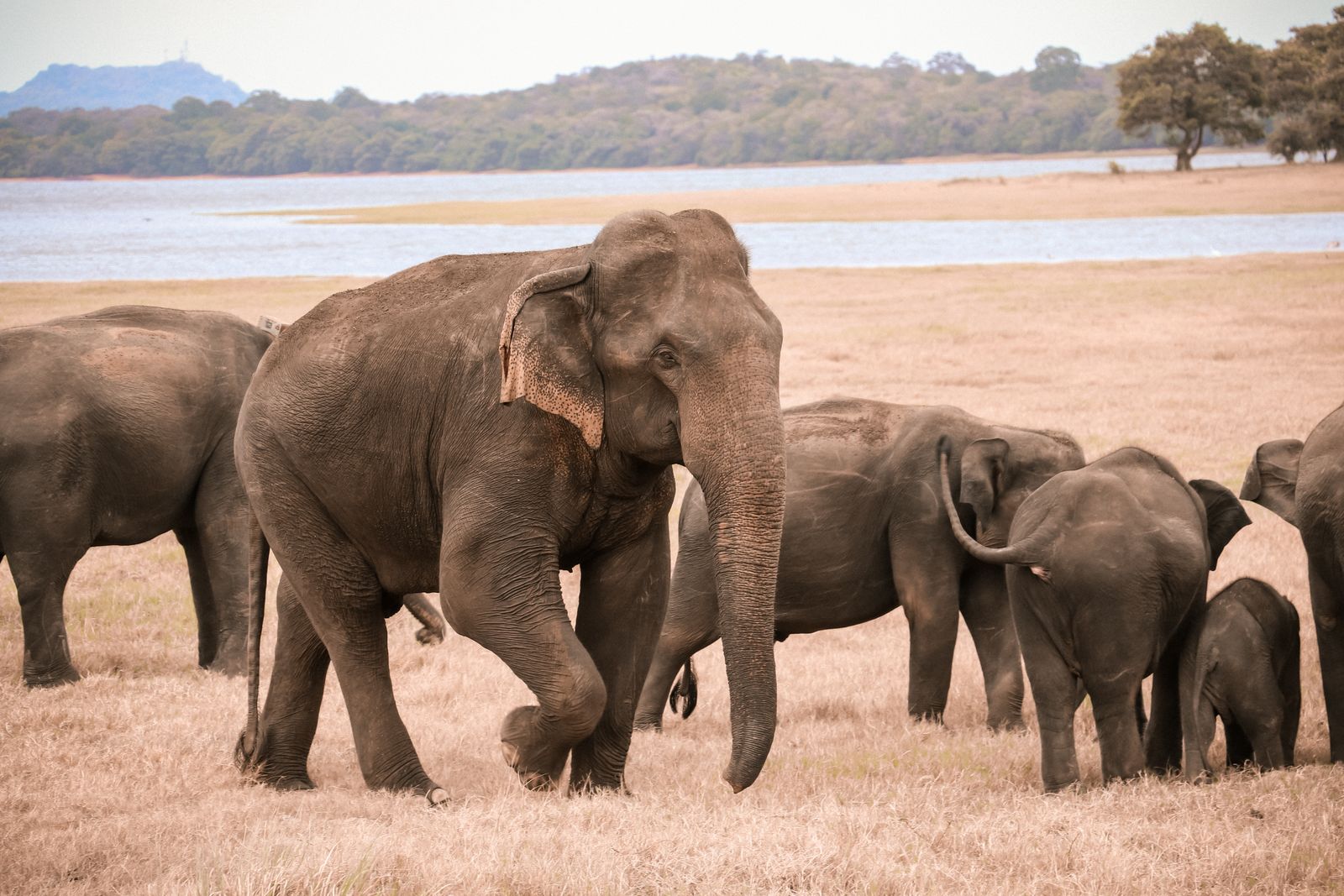
Photo: Dr Isura Wijayalath / Pexels
A sunset jeep drive among dozens of elephants during the Gathering is the standout many travelers hope for when dates align with the dry-season herds. Even outside that peak, Udawalawe often delivers memorable elephant viewing, while Yala remains the better bet for travelers focused on leopards. We match park to season and interest rather than forcing every safari into the same famous name.
Safari mornings start early, with cool air and better animal activity before heat builds. Bring neutral clothing, binoculars and patience; the best moments often come after a quiet wait rather than a rushed circuit of dusty tracks. Pairing one serious safari block with culture and beach days usually feels better than stacking too many park entries back to back.
Cobbled lanes, churches, cafés, and boutiques fill this walled Dutch-era seaside town, where ocean air moves through narrow streets and ramparts catch the last light. UNESCO-listed and compact, Galle Fort is ideal for slow wandering after Cultural Triangle heat and hill-country curves. It also sits within easy reach of south-coast beaches, which is why we often use it as a handoff into Mirissa, Weligama or Tangalle.
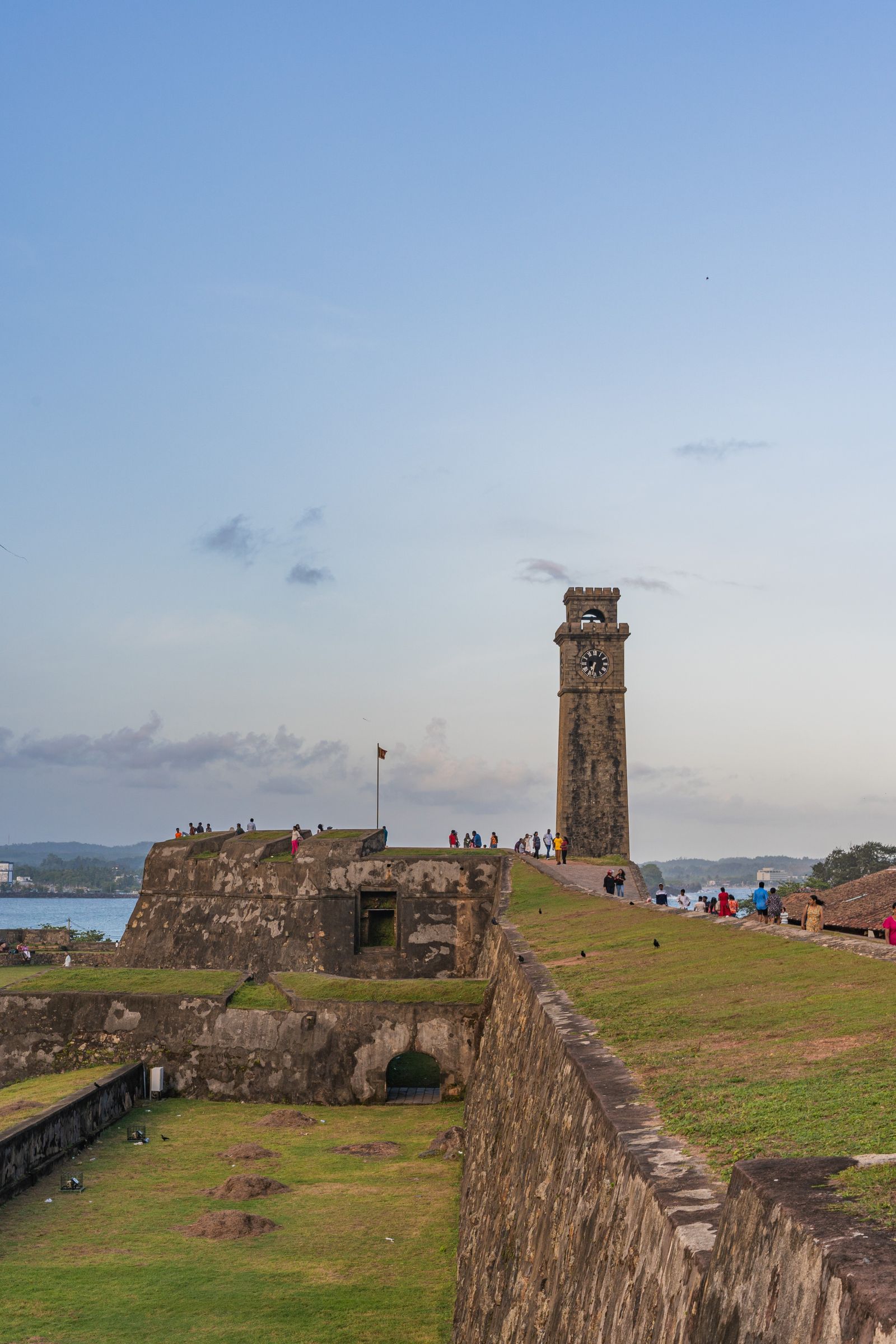
Photo: Thilina Alagiyawanna / Pexels
Walk the ramparts at sunset as locals gather for cricket, kite flying and conversation along the old walls. Daytime invites cafés, small museums and boutique browsing without a rigid checklist. Overnight inside or just outside the fort if you can; evenings after tour vans leave are when Galle feels most like a lived-in coastal town.
Galle is also a useful buffer after safari bumpy roads: level walking, ocean views and a different chapter of Sri Lankan history in colonial ramparts and spice-trade echoes. We keep the next morning light so beach time or whale watching can start without another long transfer at dawn.
Sunrise on the ramparts is quieter than sunset and worth an early walk if you like photography without the cricket crowd. Cafés open slowly, sea air moves through the lanes, and the fort feels briefly like a private neighborhood. That unhurried hour is why we prefer at least one overnight here instead of a midday drive-through on the way to the beaches.
Blue whales and other cetaceans pass close to shore off the south in the winter months and off the east coast in the warmer season, a rare chance to see the ocean’s largest animals without a long expedition voyage. Conditions and sightings vary, and responsible boats matter more than guarantees. We choose timing by coast and monsoon so you are not pitching into rough seas for a low-odds morning.
Winter seas off Mirissa can still be lively, so we favor operators known for conservative go/no-go calls and clear briefings before you board. If a sailing cancels, a beach morning or turtle hatchery visit nearby keeps the day worthwhile. That flexibility is part of planning Sri Lanka well: nature sets the schedule more often than the guidebook does.
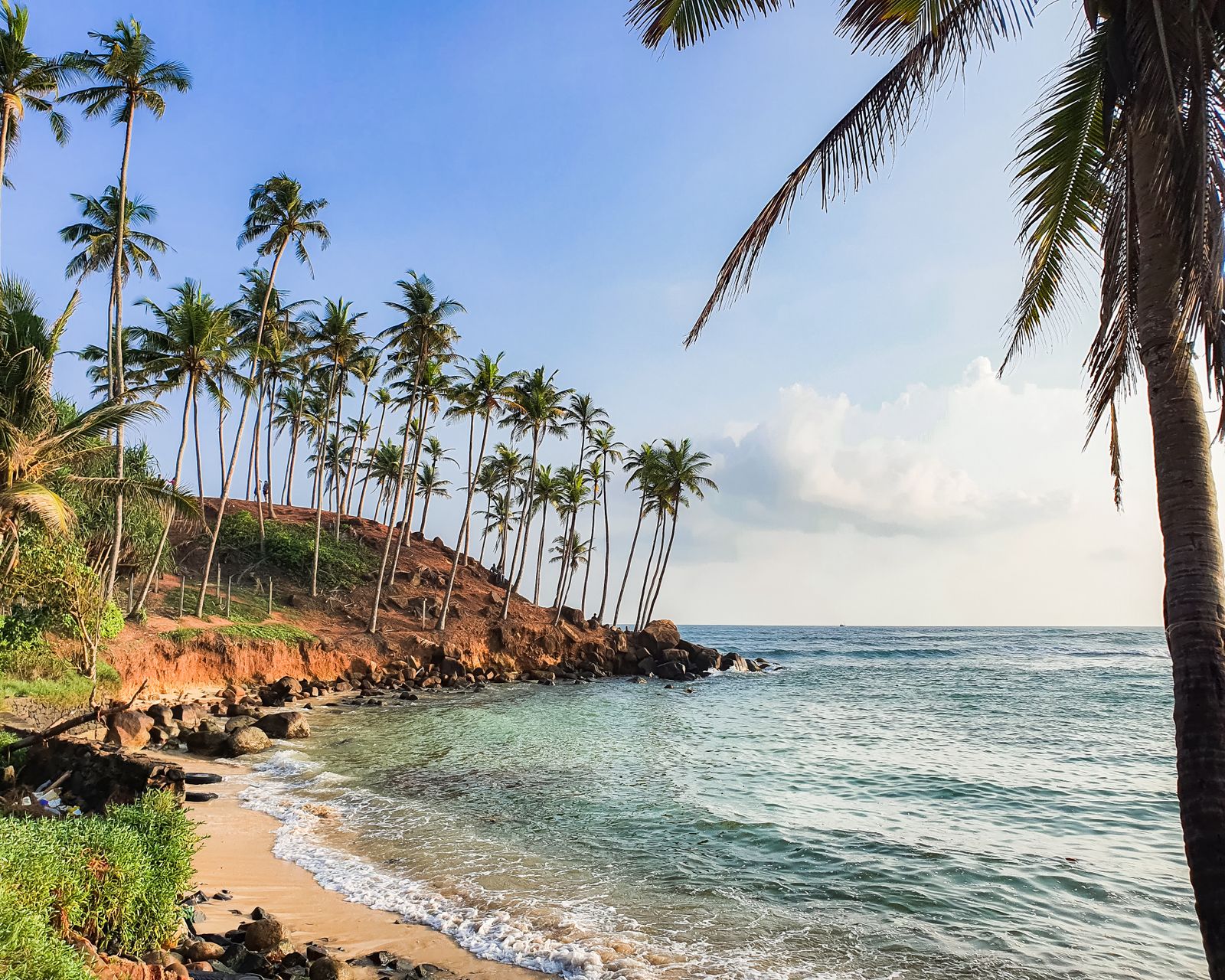
Photo: Shafky Zubair / Pexels
An early-morning departure with a responsible operator, followed by a beach breakfast in Mirissa, is our favorite winter pattern when the south is in season. In summer we look east toward Trincomalee instead. Either way, build a flexible beach day afterward so a cancelled sailing does not leave you with an empty morning and no plan B.
Mirissa’s palms and turquoise shallows also work as a pure beach pause when whales are not the priority. Surf towns nearby offer lessons and longer boardwalk days for travelers who want sand over another cultural site. Ending the island loop here, after ruins, temples and tea, is how many of our clients remember Sri Lanka most fondly.
Food: Rice and curry is the national meal, a feast of small dishes: dhal, jackfruit, fish, and sharp sambols. Try hoppers (bowl-shaped rice-flour pancakes, often with an egg cracked inside), string hoppers, and kottu, chopped roti stir-fried on a hot griddle with a rhythmic clatter. And, of course, Ceylon tea, best tasted at an estate where you can see the leaf plucked and processed.
Etiquette: Cover shoulders and knees at temples and remove shoes and hats before entering (bring socks, as the stone gets hot). Never pose for photos with your back to a Buddha image, and avoid pointing your feet at statues or monks. Use your right hand for giving and receiving.
Festivals: Vesak, the full moon in May, fills the island with lanterns and free food stalls. Kandy’s Esala Perahera, usually in July or August, features dancers, drummers, and decorated elephants parading through the city. Every full-moon (poya) day is a public holiday, and alcohol sales are generally restricted.
Yes, in the form of an ETA, which you apply for online before you travel. For US citizens, the tourist ETA is currently free to apply for. We’ll confirm current rules when you book.
Ten to 14 days covers the Cultural Triangle, Kandy, tea country, a safari, and the south coast at a comfortable pace.
Very. Safaris, trains, beaches, and friendly locals make it a hit with school-age kids when we keep drives shorter and build in pool or beach time between culture days.
December to March for the south and west coasts; May to September for the east coast.
As of October 2026 the US State Department rates Sri Lanka Level 2, “Exercise Increased Caution,” due to civil unrest, terrorism, and landmines. Review the full advisory, enroll in STEP, avoid demonstrations, and discuss northern or eastern routing with us before you go.
Ready to plan? We’ll match the season to your dates, hand-pick the hotels, and arrange the drivers and guides that make this island sing.
Novera Travel will be happy to arrange your international flights when you’re traveling first class.
Call +1 33 22 NOVERA – +1 (332) 266-8372 or email info@noveratravel.com
Prefer to reach out another way? Visit our Contact page.