Golden temples and night markets, misty northern hills, and limestone islands rising from turquoise seas.
Photo: Dan Voican / Pexels
Thailand gives you an extraordinary range in a single trip. You can spend the morning gliding past riverside temples in Bangkok, the afternoon learning to cook a green curry in Chiang Mai, and the end of the week on a beach framed by limestone cliffs. Add warm hospitality, a world-famous food culture, and some of the best-value luxury hotels and resorts anywhere in Asia, and it is easy to see why travelers come back again and again.
At a Glance
Our take: For a first trip that combines Bangkok, the north, and the Andaman beaches, aim for November through February. If you’re traveling in summer, consider Koh Samui for your beach time.
A thrilling, sprawling capital of gilded temples, riverside hotels, rooftop bars, and some of the best street food on the planet.
Day trips from Bangkok reach the ancient capital of Ayutthaya, the River Kwai area around Kanchanaburi, and colorful floating markets.
Chiang Mai and Chiang Rai offer cooler hills, hundreds of temples, craft villages, cooking schools, and ethical elephant sanctuaries.
Phuket, Krabi, Phang Nga Bay, and the Phi Phi Islands bring dramatic limestone scenery, sunset beaches, and island-hopping by longtail boat.
Koh Samui, Koh Phangan, and Koh Tao offer palm-fringed beaches, luxury villas, and diving, with a different weather pattern from the Andaman side.
Most travelers from North America connect through a hub in Asia or the Middle East to Bangkok’s Suvarnabhumi Airport. Don Mueang, Bangkok’s second airport, handles many domestic and regional flights, so check which one you are using. Short domestic flights link Bangkok with Chiang Mai, Phuket, Krabi, and Koh Samui, which makes a multi-region trip easy.
Entry rules: As of September 15, 2026, U.S. citizens and nationals of many other countries can visit Thailand visa-free for tourism for up to 30 days, with one extension possible at the discretion of immigration. Every foreign visitor must complete the Thailand Digital Arrival Card (TDAC) online within three days before arrival. It is free on the official government site, so avoid look-alike sites. Your passport should be valid for at least six months, and you may be asked for proof of onward travel. Rules have changed several times recently, so we confirm them for every trip.
Travel advisory: As of July 7, 2026, the U.S. State Department rates Thailand at Level 1, “Exercise Normal Precautions,” with some areas at increased risk. Exercise increased caution near the Thai-Cambodian border due to the risk of armed conflict, and in Yala, Pattani, and Narathiwat provinces due to the risk of unrest. We do not plan travel into those higher-caution areas. Enroll in STEP and re-check travel.state.gov before you go.
A private driver and guide in each region is our favorite way to see Thailand. It adds context at temples and markets and makes it easy to tailor the pace.
Small-group trips are a great fit for solo travelers and first-timers who want a social, well-paced itinerary with expert guides.
Thailand is famous for exceptional service. Many travelers end with a few nights at a beach or spa resort in Phuket, Krabi, or Koh Samui.
Southeast Asia cruise itineraries often call at Phuket, Koh Samui, and Laem Chabang, the port for Bangkok. In Bangkok itself, an evening on the Chao Phraya River is a beautiful way to see the temples lit up.
Advisor tip: When you book through Novera Travel, we can often add amenities at select hotels and resorts in Bangkok, Chiang Mai, and the islands, such as daily breakfast, room upgrades when available, resort credits, and welcome amenities. Ask us which partners fit your trip.
The Grand Palace, Wat Pho’s Reclining Buddha, and Wat Arun on the riverbank are Bangkok essentials. Standout experience: Watch the sun set behind Wat Arun from a riverside terrace across the Chao Phraya.
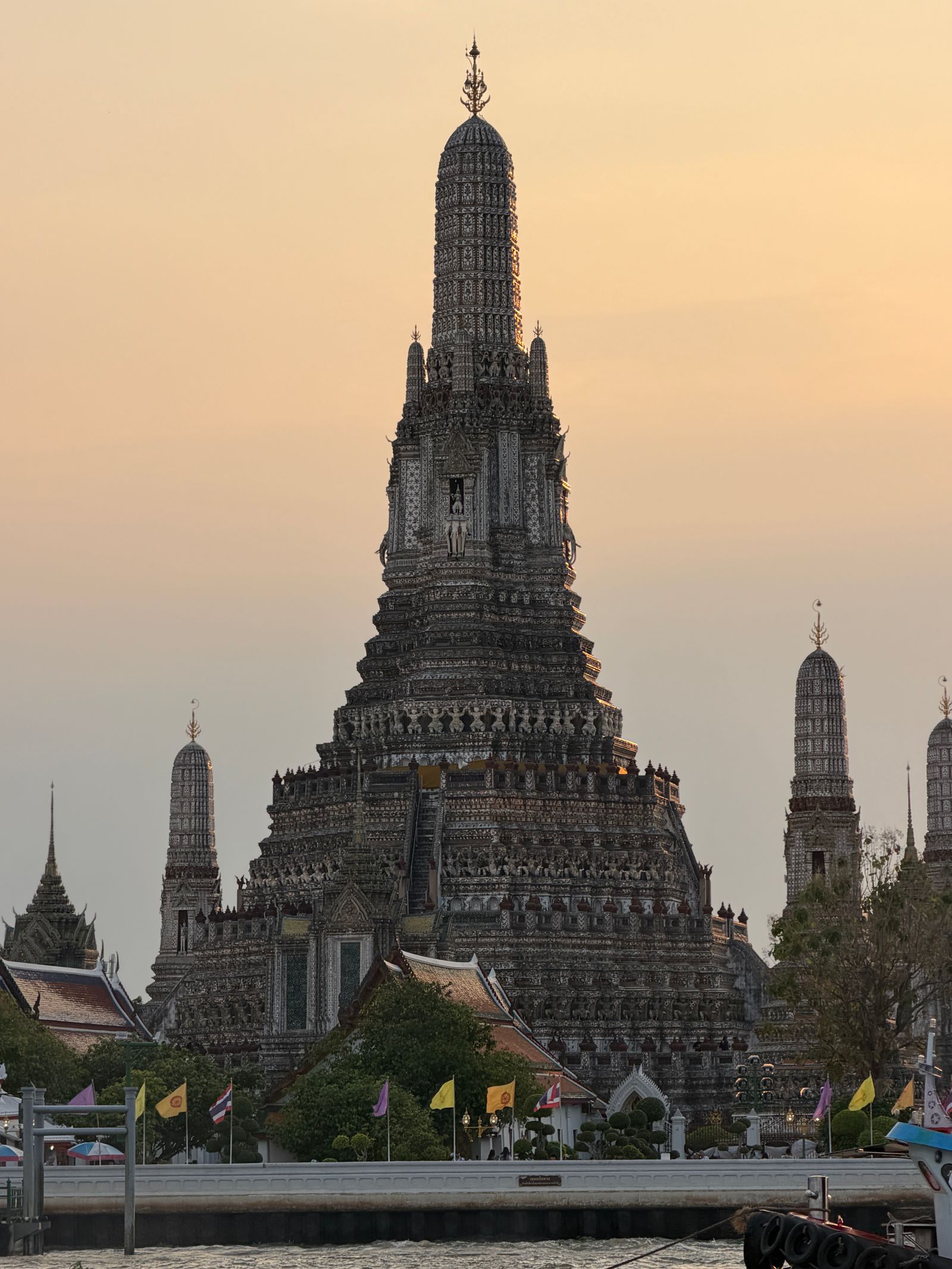
Photo: Kaiwalya Koparkar / Pexels
Bangkok’s river temples reward an early start before heat and tour groups thicken around the compounds. The Grand Palace and Wat Pho sit close enough to walk with a guide who can read murals and etiquette, while Wat Arun’s porcelain prang glows best near sunset from the far bank. Covered shoulders and knees keep dress-code stops from derailing the morning.
Crossing the Chao Phraya by ferry teaches Bangkok’s watery logic better than another taxi hop between temples. Riverside terraces give a calmer vantage once temple hours peak and courtyards fill with heat. Express boats and local ferries serve different piers, so confirm your stop before you board. We protect a midday pause so any night-market wandering later does not start on empty legs after a heavy morning at the Grand Palace and Wat Pho.
Night markets, sky bars, and street-food lanes come alive after sunset. Standout experience: A guided evening food tour, ideally through Chinatown’s Yaowarat Road.
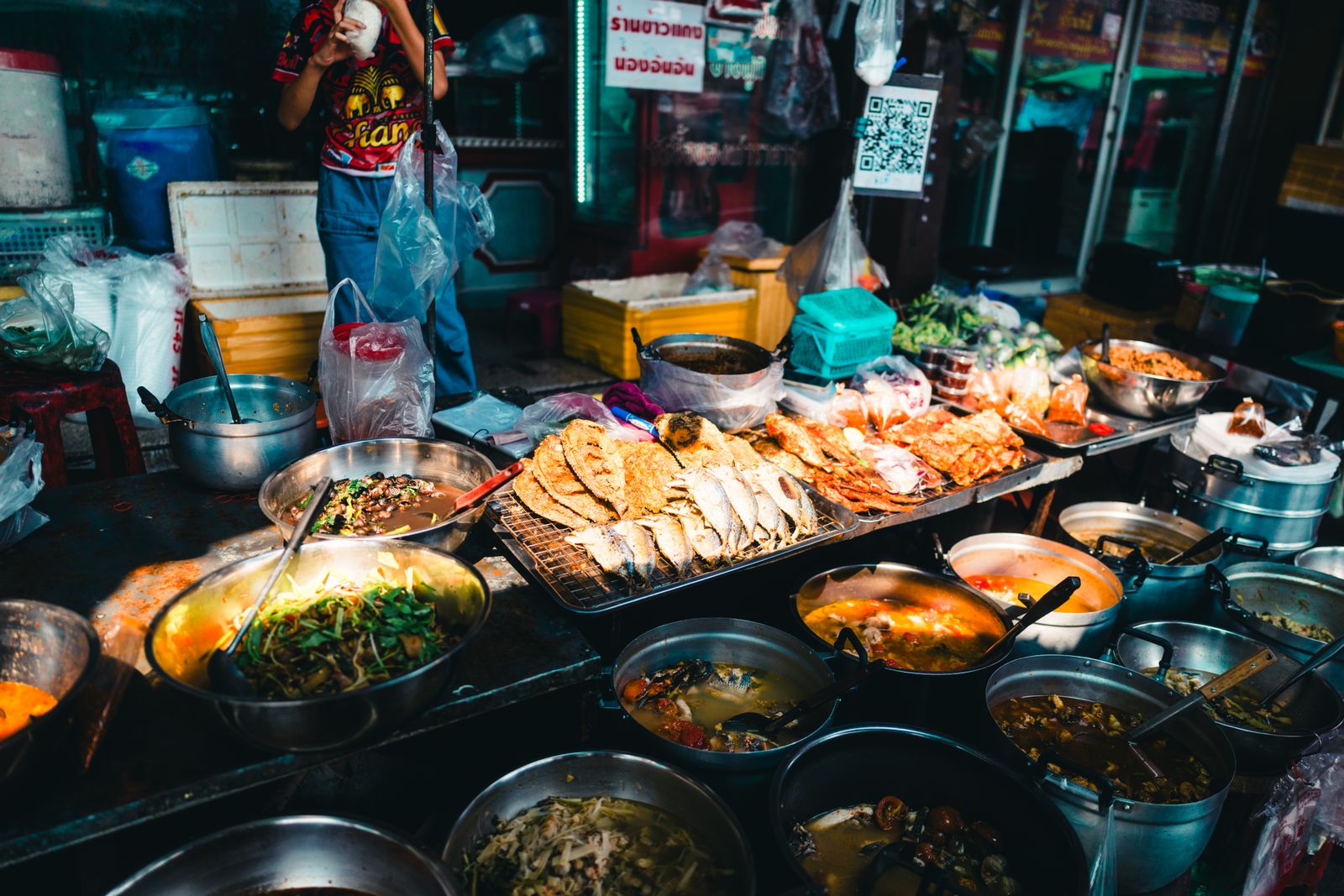
Photo: Ali Kazal / Pexels
After dark Bangkok turns into night markets, neon lanes and open kitchens where charcoal and basil arrive before you see the stall. Yaowarat’s Chinatown densifies into noodles, seafood and sweets best navigated with someone who knows which lines are worth the wait. Sky bars offer cooler height if you want a contrast after street-level heat. Share plates so you can taste more without overeating before bedtime.
A planned evening food tour stops the common mistake of wandering hungry without a map in a city this large. It also helps with ordering when Thai regional dishes are new to you, and with reading spice levels that change stall by stall. Mention peanut or shellfish needs early if allergies matter. Keep the next morning light if you stayed out among Yaowarat’s neon late into the night.
Thailand’s former royal capital is a UNESCO World Heritage Site of towering brick ruins. Standout experience: Explore the temple ruins by bicycle, then return to Bangkok by river.
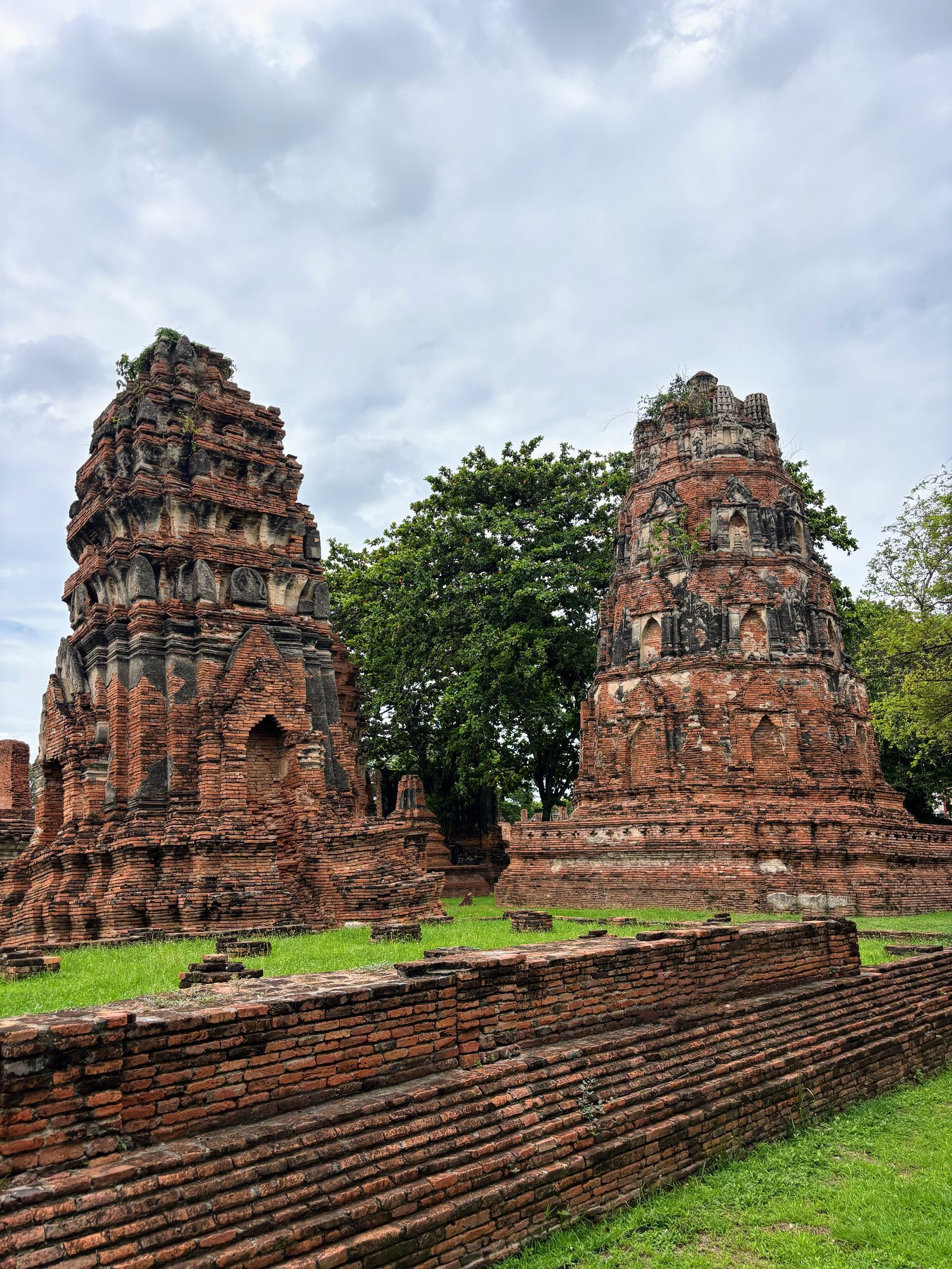
Photo: Ines Diaz Cervantes / Pexels
Ayutthaya, the former Siamese capital north of Bangkok, spreads brick prangs and broken Buddha images across an island laced with rivers. Bicycles reveal the old city’s spacing better than van hops between parking lots. Late light turns ruins amber and is kinder than midday sun on open brick. Rent bikes near the station rather than depending on a single van circuit.
Many travelers day-trip from Bangkok to Ayutthaya and return by river when schedules allow, softening the jump back into capital intensity. A licensed guide helps successive royal capitals land as history rather than photogenic rubble. Treat remaining sacred images with care even inside ruined halls. Morning light on brick prangs photographs far better than harsh noon, and a hat helps when shade is uneven among the larger temple grounds.
A relaxed northern city with an old walled center and a creative, laid-back spirit. Standout experience: Take a morning market tour and Thai cooking class, then visit Wat Phra That Doi Suthep on the mountain above the city.
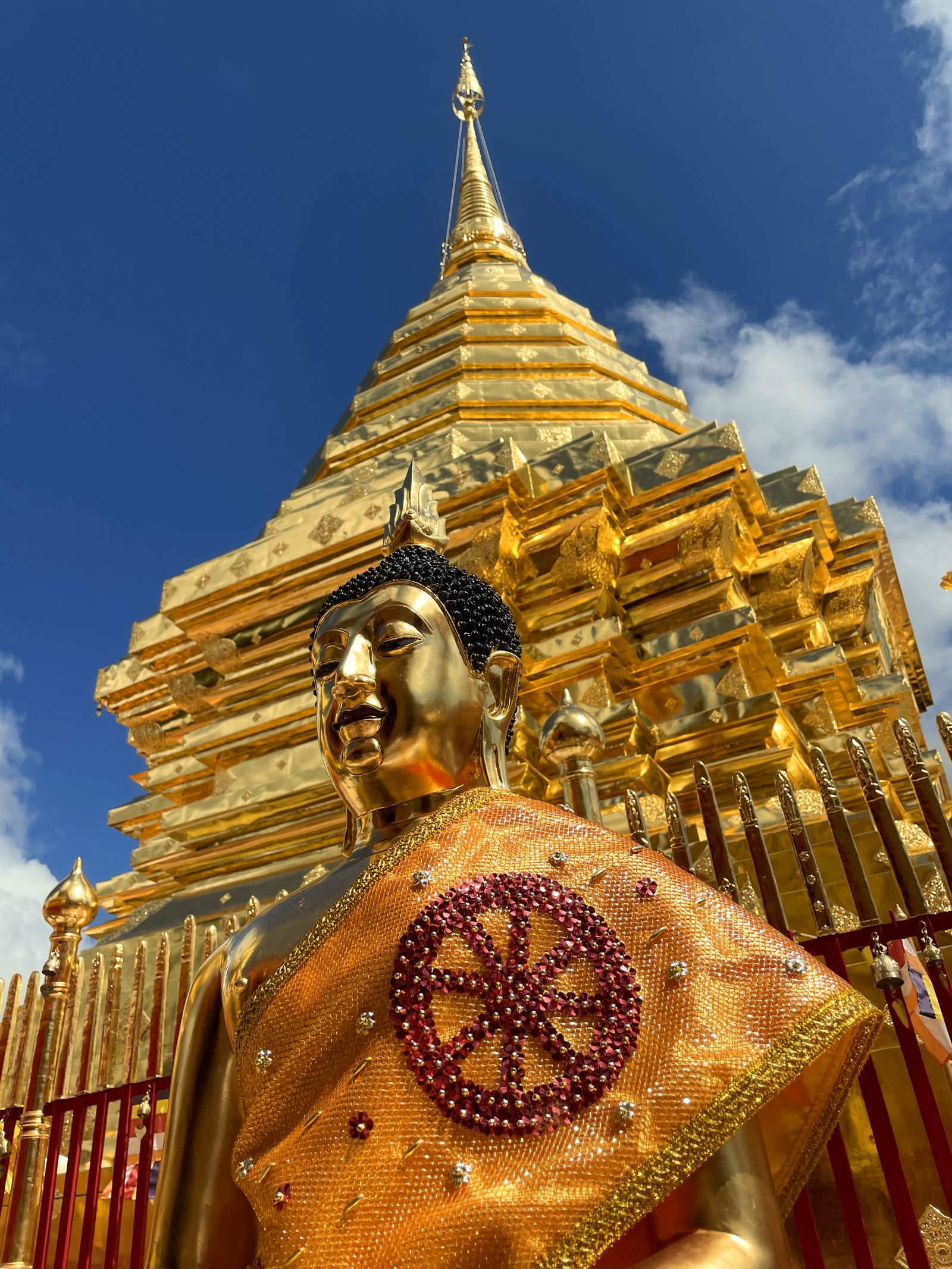
Photo: Maxence Vansteenkiste / Pexels
Chiang Mai’s old city still follows a square moat and brick walls, teak temples and cafes filling the inner lanes. The pace is gentler than Bangkok, which is why so many routes use it as a northern reset. Doi Suthep’s golden chedi overlooks the valley; go early for cooler air and clearer views before haze builds. Night markets in Chiang Mai differ from Bangkok’s density and noise.
Mornings in Chiang Mai shine at markets and cooking classes that teach northern dishes beyond a generic pad thai plate. Afternoons can hold a temple loop inside the moat or a slow cafe stretch without guilt. A cooking-class morning pairs especially well with a quiet temple afternoon. Three nights usually beat cramming Doi Suthep and the old-city highlights into one overloaded day.
Beyond Chiang Mai, the north is full of quiet temples, tea and coffee farms, and mountain views. Standout experience: Visit an ethical elephant sanctuary that doesn’t allow riding or performances, where you can observe and walk alongside the elephants.
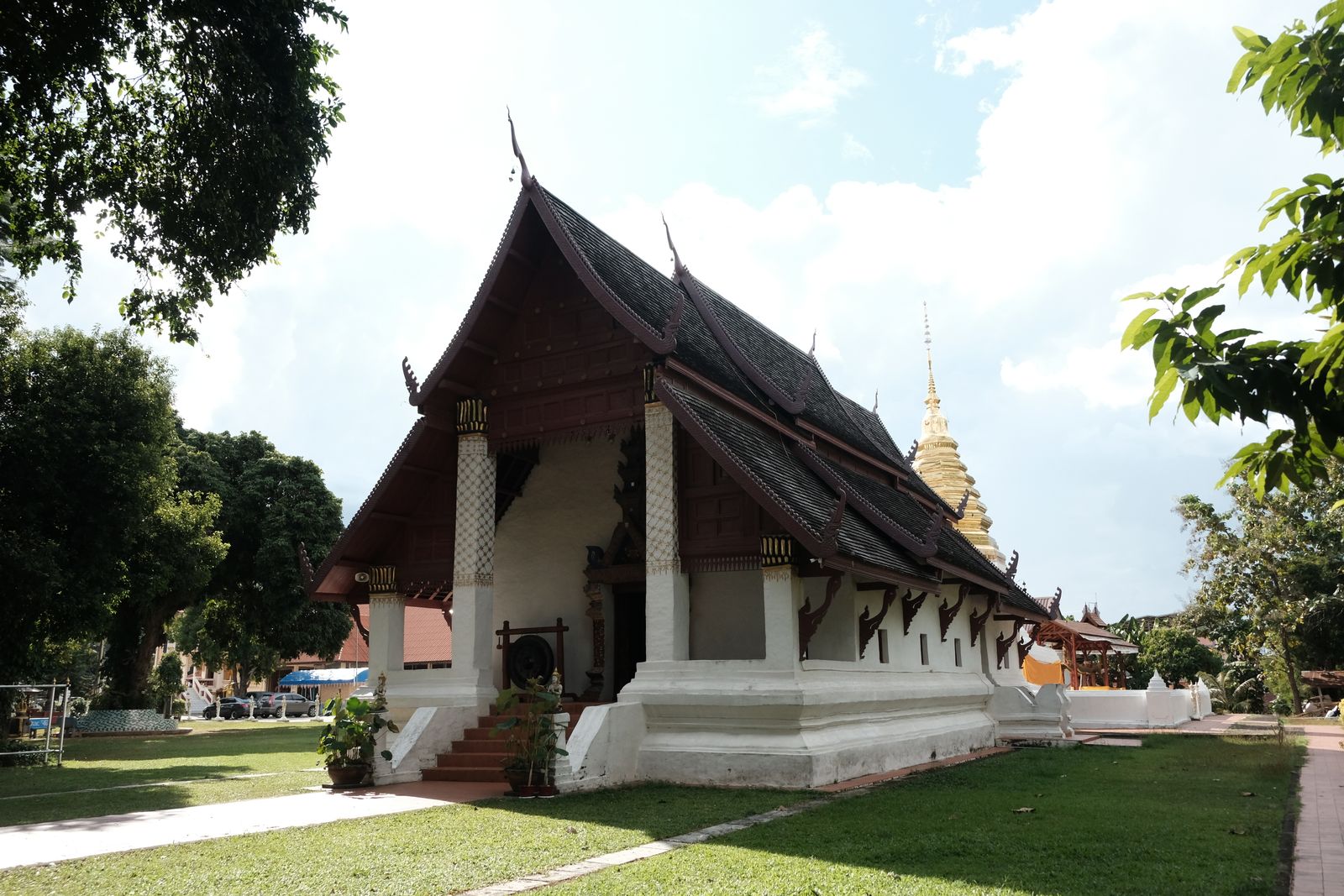
Photo: มหฺ ปณฺฑิโต / Pexels
Roads north of Chiang Mai climb toward tea farms, quieter wats and hill viewpoints that feel far from denser backpacker lanes. Ethical elephant places that ban riding and shows let you observe animals without turning them into props; standards vary, so choose carefully. Respect and distance matter more than any checklist photograph with wildlife. Confirm animal-welfare policies in writing before you book a visit.
Pair a sanctuary morning north of Chiang Mai with one unhurried temple stop so the day is not only van time on mountain roads. Northern hospitality often shows up as patience and soft guidance rather than hard sell. Ask before photographing people near villages or active religious ceremonies. Mountain roads can fog in after lunch, so leave buffer time for the return to town before dark.
Towering limestone cliffs, quiet bays, and world-class rock climbing. Standout experience: Reach Railay by longtail boat and stay for sunset on the beach.
Turquoise lagoons and sheer cliffs make this one of the most photographed seascapes in Asia. Standout experience: A private early-morning boat trip to reach the lagoons before the day-trip crowds.
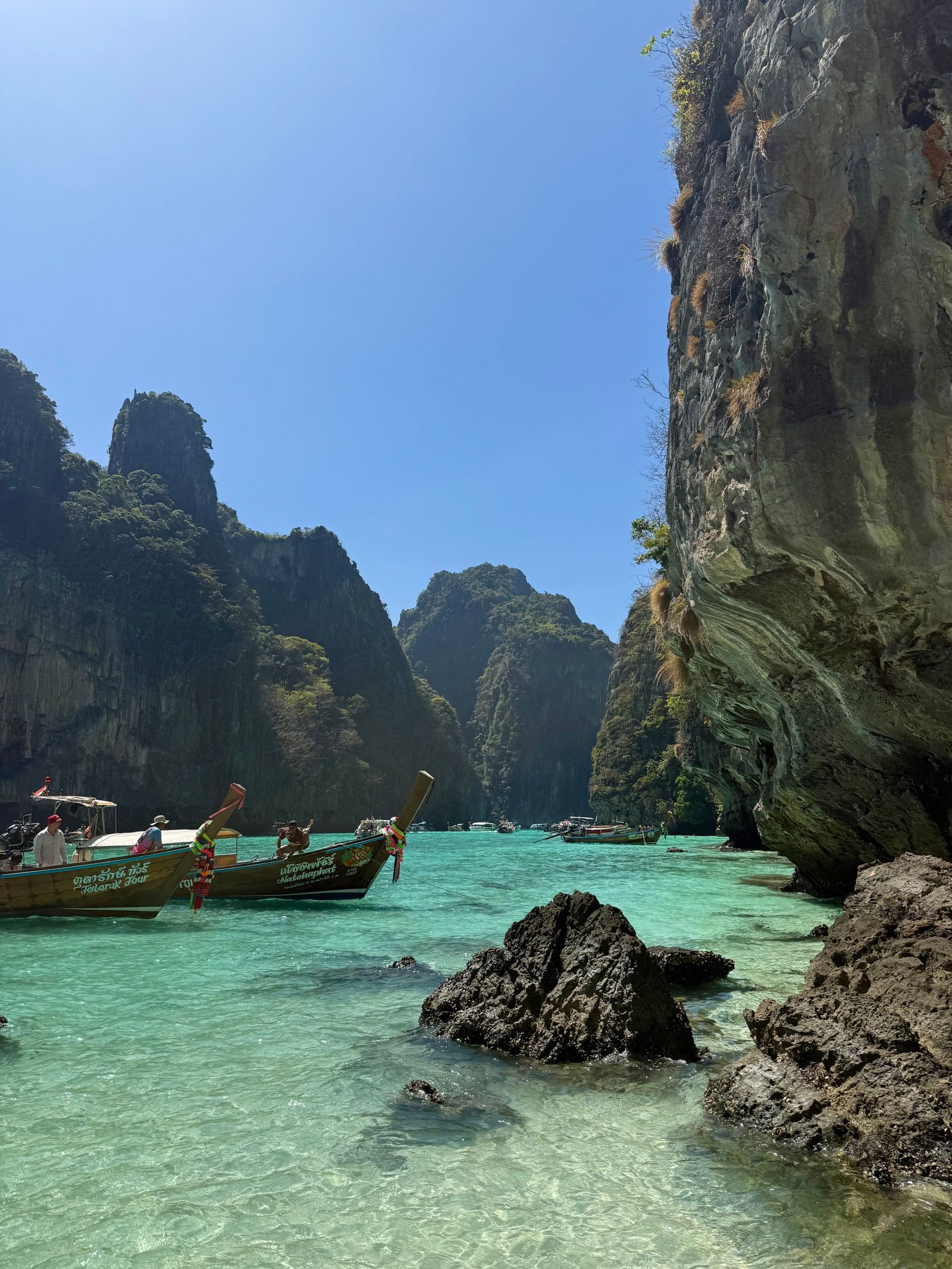
Photo: anmarinina / Pexels
Krabi’s limestone towers and Railay’s pocket beaches arrive by longtail boat, already framing the day as more than a resort shuttle. Climbers and swimmers share the same cliffs; even non-climbers feel rock meeting turquoise water. Sunset on the sand stays simple and hard to improve. Longtail spray and wet decks are normal, so pack a dry bag for phones and choose footwear that can handle boat ladders.
Phang Nga Bay and the Phi Phi cluster deliver classic lagoon scenes best before midday boats pour in. An early private departure buys calm when weather cooperates and keeps the water readable for swimming. Island weather windows change fast, so keep one flexible beach day in the plan. Koh Samui later adds palm beaches and villa quiet for a Gulf island chapter after the Andaman cliffs.
Palm-lined beaches, luxury villas, and easy island-hopping in the Gulf. Standout experience: A boat day to Ang Thong National Marine Park for kayaking and viewpoints.
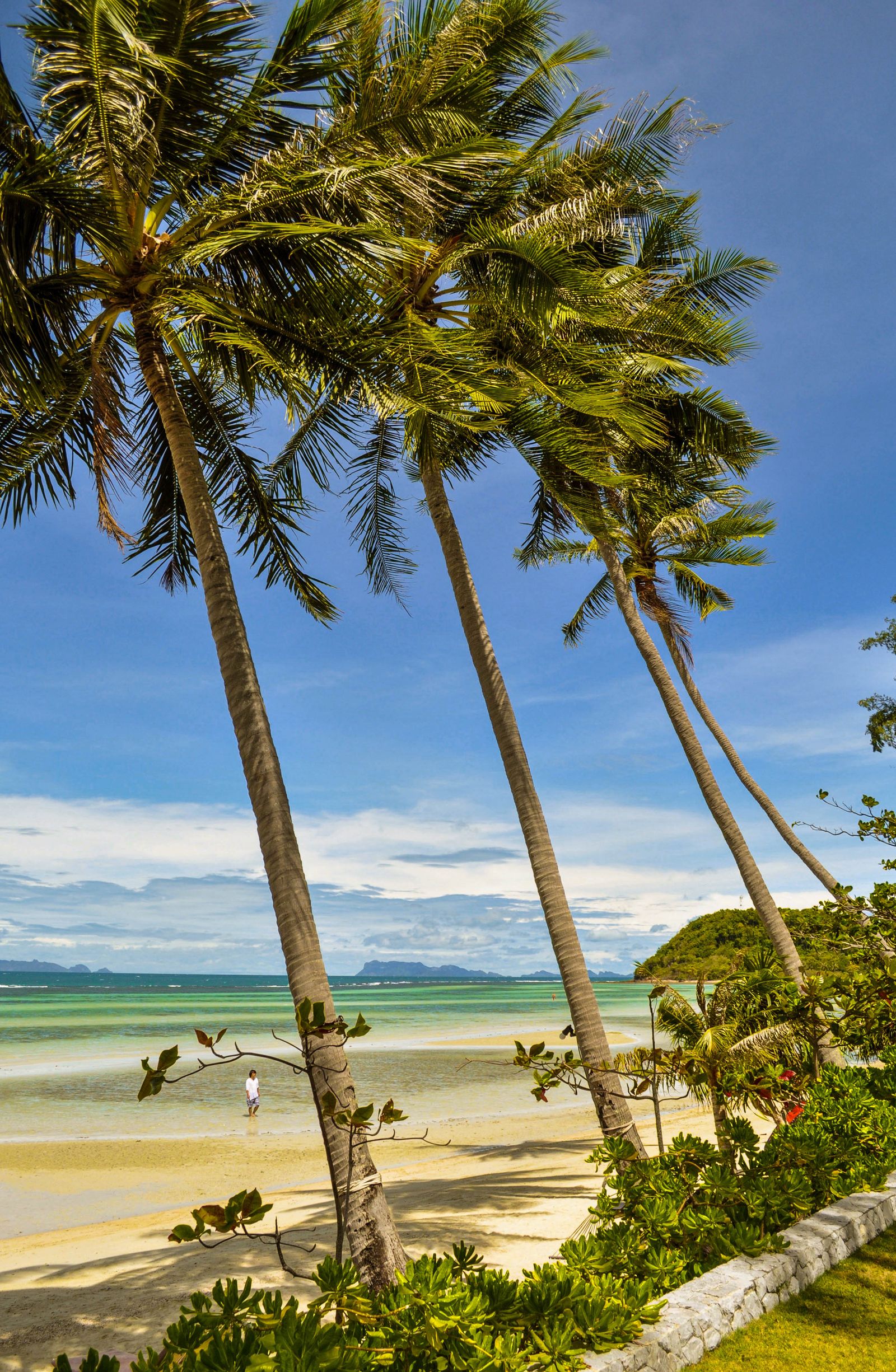
Photo: KE PHUAH 潘国荣 / Pexels
Buddhism shapes daily life in Thailand, from saffron-robed monks collecting morning alms to spirit houses outside homes and hotels. Thais hold their monarchy in deep respect, and visitors should do the same. Courtesy goes a long way: a smile, a soft voice, and a wai (a slight bow with palms together) are always appreciated.
Flavors to try:
Pack light, breathable clothing, plus at least one outfit that covers shoulders and knees for temple visits. Sandals that slip on and off easily are handy because you will remove your shoes at temples and many homes. Bring sun protection, insect repellent, a light rain jacket for the wet season, and a light layer for cool northern evenings and chilly air-conditioning.
November through February is ideal for most regions. Koh Samui and the Gulf islands are often best from January through August.
As of September 2026, U.S. citizens can visit visa-free for tourism for up to 30 days, but everyone must complete the Thailand Digital Arrival Card before arrival. Rules change often, so check before you travel.
Ten days covers Bangkok, Chiang Mai, and one beach. Two weeks lets you slow down or add a second island.
Phuket has the widest choice of resorts, Krabi has the most dramatic scenery, and Koh Samui offers a relaxed luxury feel with different weather. We help you choose based on season and style.
Yes. Thai culture is very welcoming to children, and beach resorts, cooking classes, and sanctuaries are big hits with kids.
Whether you dream of temples and night markets in Bangkok, cooking classes in Chiang Mai, or a villa above a turquoise bay, we will design a Thailand journey around your pace and interests.
Novera Travel will be happy to arrange your international flights when you’re traveling first class.
Call +1 33 22 NOVERA – +1 (332) 266-8372 or email info@noveratravel.com
Prefer to reach out another way? Visit our Contact page.
Novera Travel is an independent travel advisor of Fora Travel.