Pastel villages tumble into deep blue water, lemon groves scent the terraces, and boat days beat the coastal road when summer traffic tightens—our advisor’s playbook for a coast that rewards pacing.
Photo: Pexels contributor / Pexels
The Amalfi Coast is Italy at its most vertical: houses stacked on cliffs, churches perched above pebble beaches, and hairpin roads that photograph better than they drive in peak season. Positano’s cascade of pastel facades, Ravello’s garden terraces, Amalfi’s cathedral square, Capri’s Faraglioni stacks, and Sorrento’s cliff promenades each deserve real time, not a single frantic day. Lemons, seafood, and limoncello are not souvenirs here so much as the daily language of lunch. For the wider Italian context—Rome, Florence, Venice, and how this coast fits a first Italy trip—start with our Italy travel guide, then use this page to go deeper on bases, boats, and hiking.
We plan Amalfi itineraries around one or two coastal bases, private drivers or ferries when the road is stressful, and boat days that reach coves no bus can touch. Capri and the Path of the Gods become highlights instead of logistics problems when you leave enough nights and choose the right season for walking weather and ferry frequency.
Our take: Aim for May, June, or September unless you specifically want high-summer energy and are ready to book early.
Most clients sleep in Positano, Amalfi, or Ravello and fan out by ferry, private boat, or driver rather than relocating every morning. Changing hotels every night on this coast costs more energy than it returns, especially once stairs and narrow lanes enter the picture. A single well-chosen base keeps luggage off the hairpins and evenings free for long dinners.
The coastal highway is spectacular and famously narrow. On peak dates, local rules can limit rental cars on stretches of the road—details change, so we confirm the current season before you travel and usually suggest private drivers or ferries instead of self-driving the cliff highway in summer. Ferries link Salerno, Amalfi, Positano, Sorrento, Capri, and Naples when seas allow, turning transfers into part of the scenery.
Capri works as a full day from the coast or as a night on the island when you want Marina Grande at dusk without the day-trip rush still swirling around the piazzas. Private boats can skirt the Faraglioni and pause for swims in calm pockets of water; public ferries are plentiful in season and easy to time with a driver pickup.
The Sentiero degli Dei traces high trails above the coast with views that explain the name the moment the sea opens below you. Go early, wear real shoes, carry water, and have a ferry or driver plan for the descent towns before legs get tired. It is a highlight for active travelers and a skip for anyone who prefers boats and garden terraces.
Italy is in the Schengen Area. Confirm with the U.S. Department of State and your airline before you go.
Travel advisory: As of October 2026, the U.S. State Department rates Italy at Level 2, “Exercise Increased Caution,” due to terrorism (renewed September 10, 2026). Petty crime occurs on transit and in crowded tourist areas; keep valuables secure. There are no Level 3 or Level 4 sub-areas covering the Amalfi Coast, Capri, or Sorrento in the current advisory. Please read the full advisory on travel.state.gov and enroll in STEP before you depart.
Rooms with terraces above the water are the classic Amalfi dream. Expect steps, elevators that do not erase every staircase, and views that make the logistics worthwhile. Best for couples who pack light and value the postcard balcony.
Higher above the sea, Ravello trades beach access for cooler evenings, quieter nights, and villa gardens. Ideal if you want music-festival culture, long lunches, and a break from waterfront bustle.
Sorrento sits on the Bay of Naples side of the peninsula, with easier logistics toward Naples Airport, Pompeii day trips, and the Capri ferry piers. It makes a smart buffer night for arrivals and departures, or a full base if you prefer a larger town rhythm with more restaurant variety after dark.
Overnight on Capri after the day-trippers leave. Marina Grande and the cliff towns feel transformed at dusk. Choose this when Capri is a priority, not an afterthought.
Advisor tip: As Fora advisors with IATAN accreditation and Virtuoso affiliations, we can often add amenities at select hotels—breakfast, upgrades when available, or property credits—that solo online booking will not unlock.
Positano tumbles down the cliff in a vertical puzzle of pastel houses, stepped lanes, and a pebble beach framed by boats. There is no flat central boulevard; everything is up or down, which is half the charm and all of the packing advice. Standout experience: Arrive by sea if you can, so the first view is the whole cascade from the water, then claim a beach club lounge for a long, salty afternoon.
Fashion boutiques and ceramic shops line the lanes between the parish church and the water, tempting anyone who packed light to reconsider. Evenings bring a softer light on the facades and a dining scene that runs late along the beach and the stepped alleys. Stay at least two nights so Positano is a place you live in, not a one-hour photo stop from a crowded ferry.
Mornings before the day boats arrive are the quietest for photography and coffee on a terrace above the beach umbrellas still being unfurled. If mobility is a concern, tell us early—many properties involve stairs that elevators only partly solve, and we will match you to layouts that fit your group without surprises on arrival day.

Photo: Letizia Agosta / Unsplash
Ravello sits high above the coast, cooler and greener, famous for villa gardens and belvederes that look straight down to the sea. The town feels removed from beach-club energy while remaining an easy driver ride from Amalfi or Positano. Standout experience: Spend an afternoon in the villa gardens, then stay for sunset when the coast turns gold and the crowds thin on the viewpoints.
Music and literary associations give Ravello a cultured hush that pairs well with honeymoon pacing and multi-generational trips alike. Restaurants lean into hillside produce and long lunches that do not require a swimsuit change afterward, which many guests find refreshing midweek on the coast. We often suggest Ravello for travelers who want Amalfi drama without sleeping on the busiest waterfront strip.
The road up is winding; a private driver removes the stress and lets everyone watch the views instead of the next blind curve. Combine Ravello with Amalfi town in one day if nights are limited, or give it a full overnight when gardens, music festivals in season, and quiet evenings are the entire point of the trip for your group.
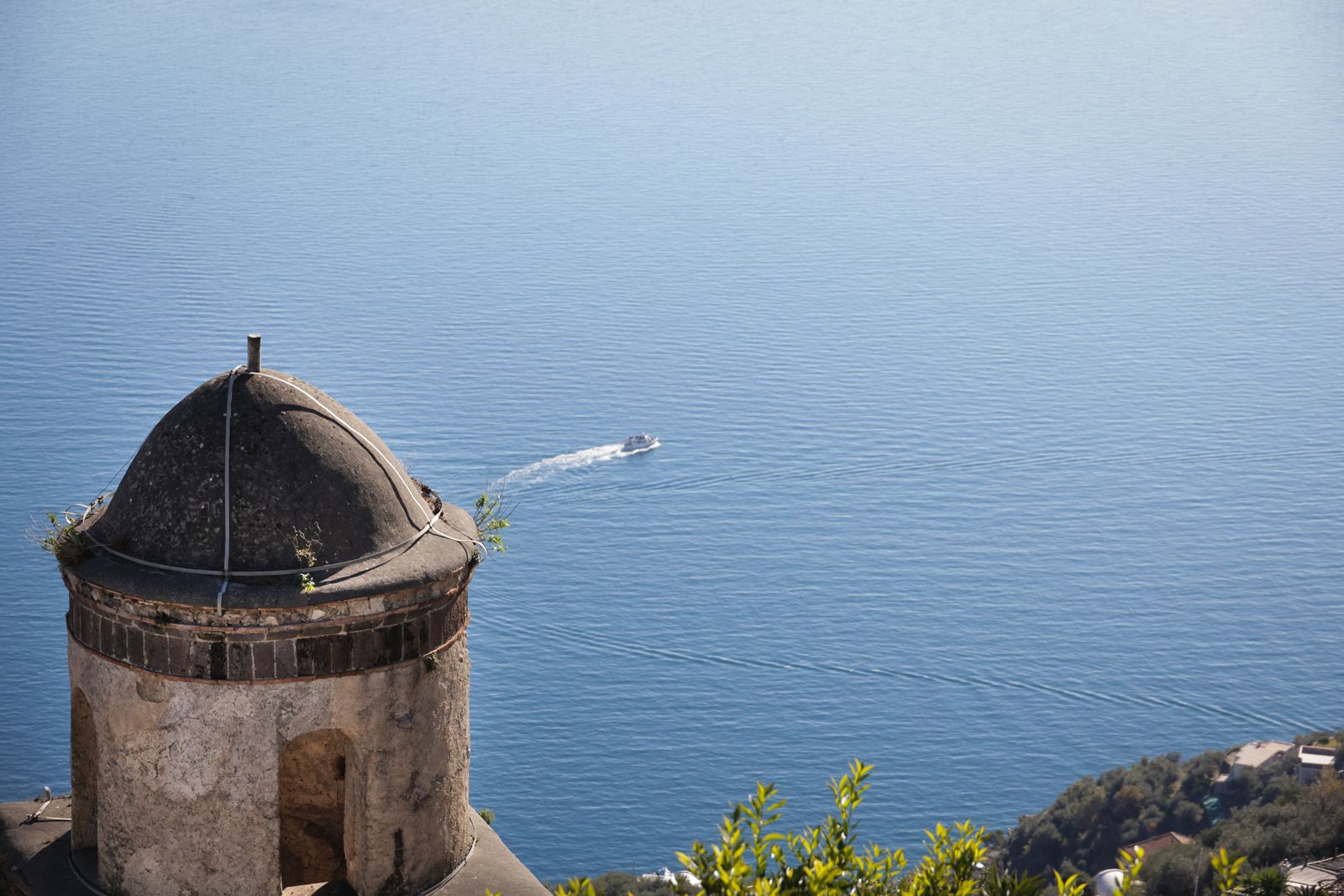
Photo: Pexels contributor / Pexels
Amalfi town clusters around its harbor and the striped cathedral that recalls the republic’s maritime wealth and Mediterranean trade routes. Arsenals, paper museums, and lemon groves inland remind you this was not always a resort strip for ferry day-trippers alone. Standout experience: Climb the cathedral steps in the morning light, then boat to a swimming cove that road traffic never reaches.
The waterfront promenade is lively in season, with gelato lines and ferry horns marking the hours from mid-morning onward. Just above town, paths and drives lead toward smaller villages and terraced farms that still work the slopes. We treat Amalfi as a working harbor town with history, not only a cruise-ship postcard, and plan timing around port schedules when ships are in.
Lemon groves and pastry shops make easy afternoon rewards after a boat morning when salt still clings to your hair and sandals. If you base here, ferries to Positano and Capri are straightforward in season, and the evening passeggiata has a local pulse that larger resort scenes sometimes lose after dark on busier stretches of coast.
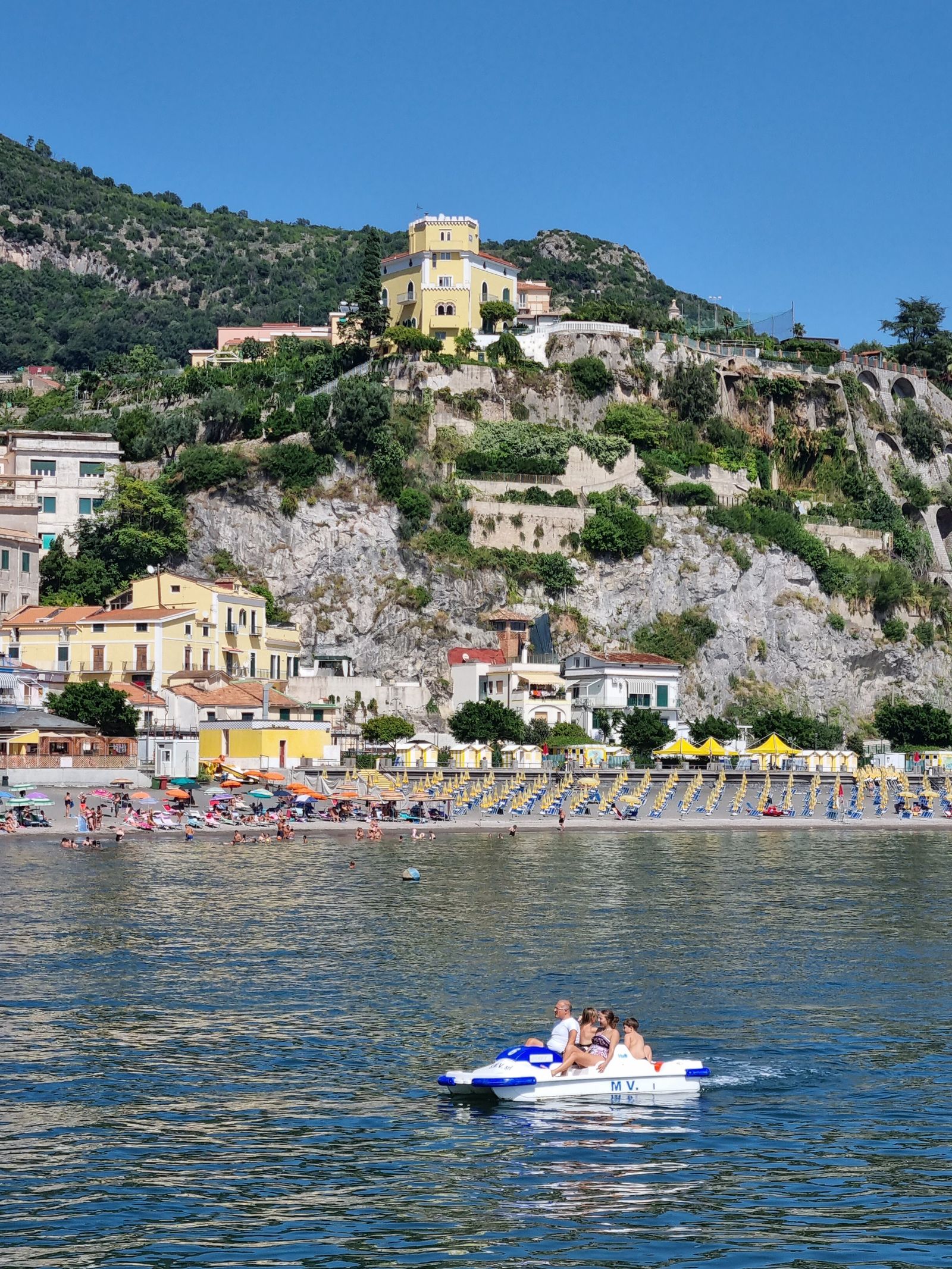
Photo: Pexels contributor / Pexels
Capri rises from the Bay of Naples in limestone cliffs, with the Faraglioni sea stacks as its natural monument. Marina Grande receives the ferries; the island’s upper towns and gardens sit above in a different climate of pine and boutique lanes. Standout experience: Circumnavigate by private boat with a swim stop near the stacks, then ride up for a late lunch away from the harbor bustle.
Day-trip crowds are real in summer, which is why an overnight changes the island more than any guidebook paragraph can promise. At dusk the lanes empty, the sea turns darker blue, and Capri feels closer to the writers’ retreat of legend than to a midday pier. Chairlifts and walks to viewpoints reward anyone willing to leave the main piazzas behind.

Photo: Unsplash photographer / Unsplash
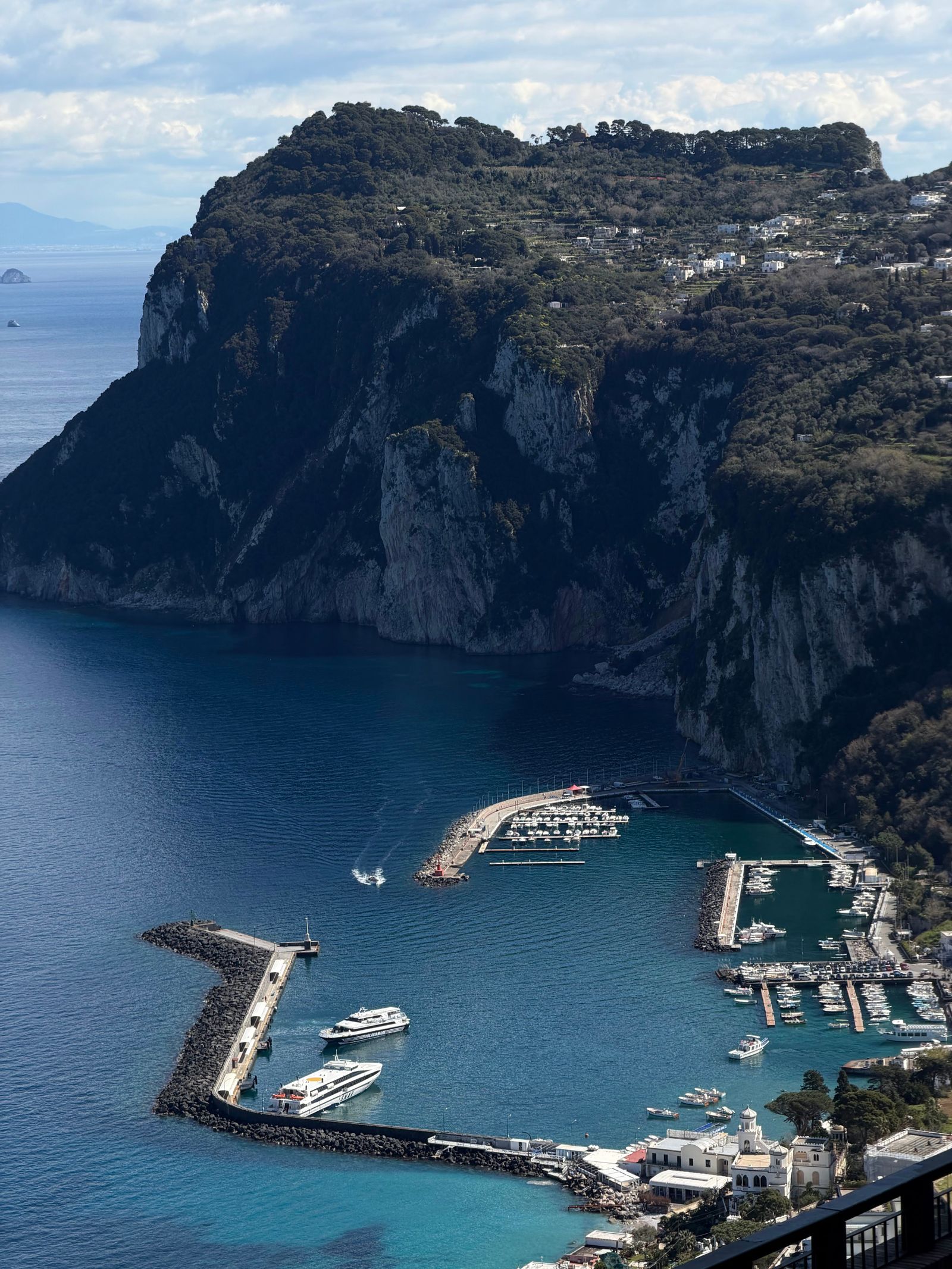
Photo: Pexels contributor / Pexels
Marina Grande is the working front door: ferries, water taxis, and the first gelato after a crossing from Sorrento or Naples. From here, funiculars and convertibles climb toward the quieter heights. We time Capri days around sea conditions and ferry loads, and we are honest when a boat day from Positano is enough versus when the island deserves its own hotel night.
Pack a cover-up for churches, reef-safe sunscreen for boat decks, and shoes that can handle both wet landings and polished boutique floors without complaint after a swim stop. Capri is small on the map and large in the time it consumes—plan it as a highlight chapter, not a checkbox between pizza and a late ferry back to the mainland coast.
Sorrento overlooks the Bay of Naples from cliffs on the peninsula’s northern side, with Vesuvius often visible across the water on clear days. It is larger and more logistical than Positano, which makes it a favorite gateway for Capri ferries, Pompeii day trips, and airport connections through Naples. Standout experience: Watch sunset from a cliff terrace, then use the next morning’s ferry for Capri before the biggest queues form.
Lemon groves, inlaid wood workshops, and a lively centro fill easy evening walks when you want a town larger than a single cliff cove. Hotels range from grand cliff properties to quieter garden stays a short stroll from the main square. We often place a Sorrento night at the start or end of an Amalfi sequence so arrivals and departures do not begin with the narrowest coastal road.
From Sorrento you can still reach the Amalfi side by ferry or driver when you want Positano’s drama without moving luggage every day of the trip. Think of it as the coast’s practical hinge—less vertical postcard than Positano, yet more room to breathe between Capri boat days, Pompeii mornings, and cliff-town dinner chapters.
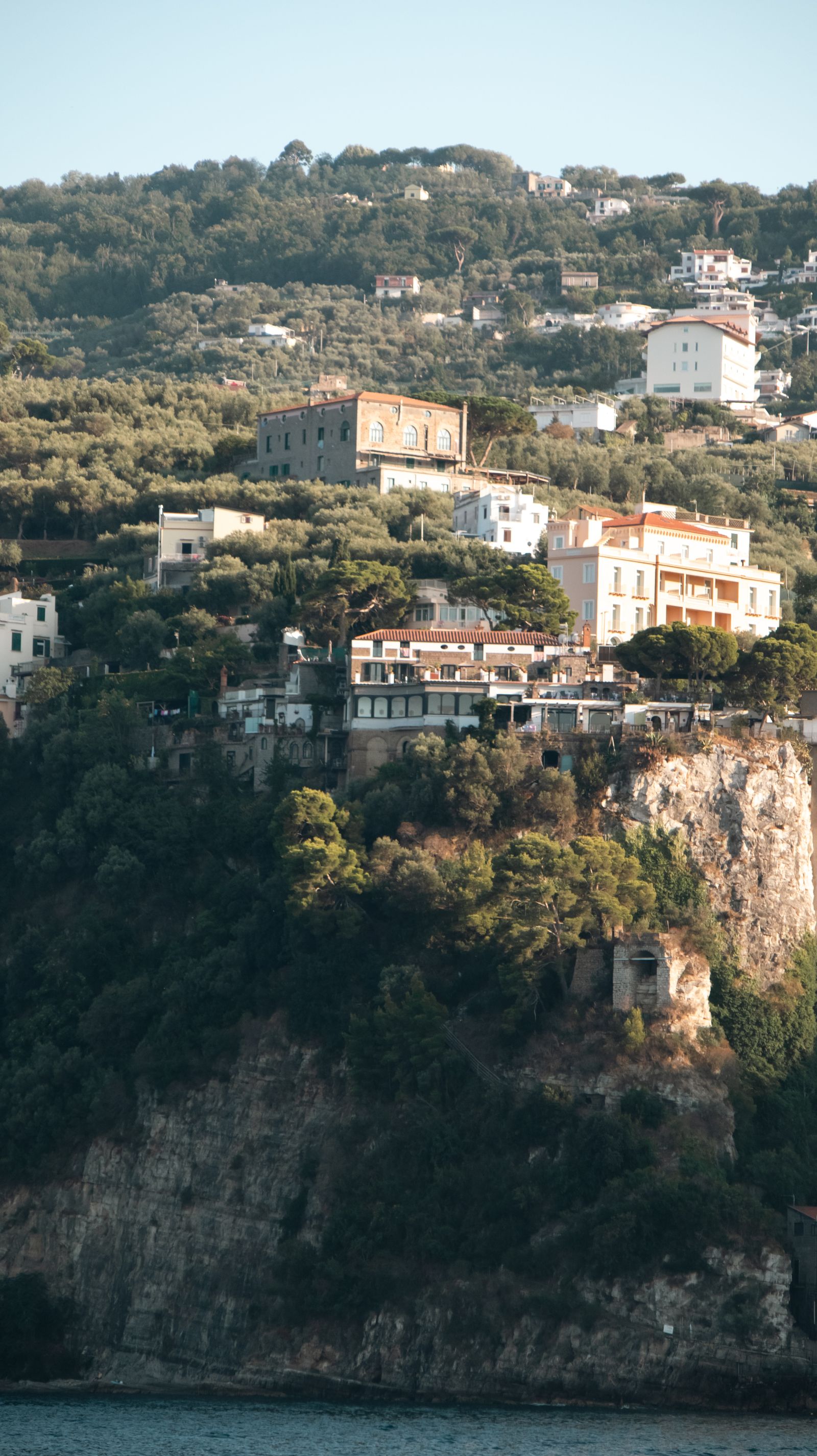
Photo: Pexels contributor / Pexels
The Path of the Gods (Sentiero degli Dei) runs high above the coast between mountain villages and viewpoints that open suddenly to the open sea. It is a real hike on uneven stone and dirt, not a boardwalk promenade, and that is exactly why active travelers love it. Standout experience: Start early with a guide who knows current trail conditions, then descend toward a coastal town for a late seafood lunch.
Weather and trail maintenance can close sections after storms; we check conditions before promising the classic route and always have a boat or garden backup. Footwear with grip, sun protection, and water are non-negotiable. The reward is a coast seen from above—houses like tiles on a roof, ferries like toys, and a silence the beach clubs never deliver.
Families with teens who hike often rate this above another shopping lane. Travelers who prefer level ground should skip it without guilt; Ravello’s gardens and a private boat day deliver drama without the scramble. Tell us your fitness honestly and we will match the day to your group.
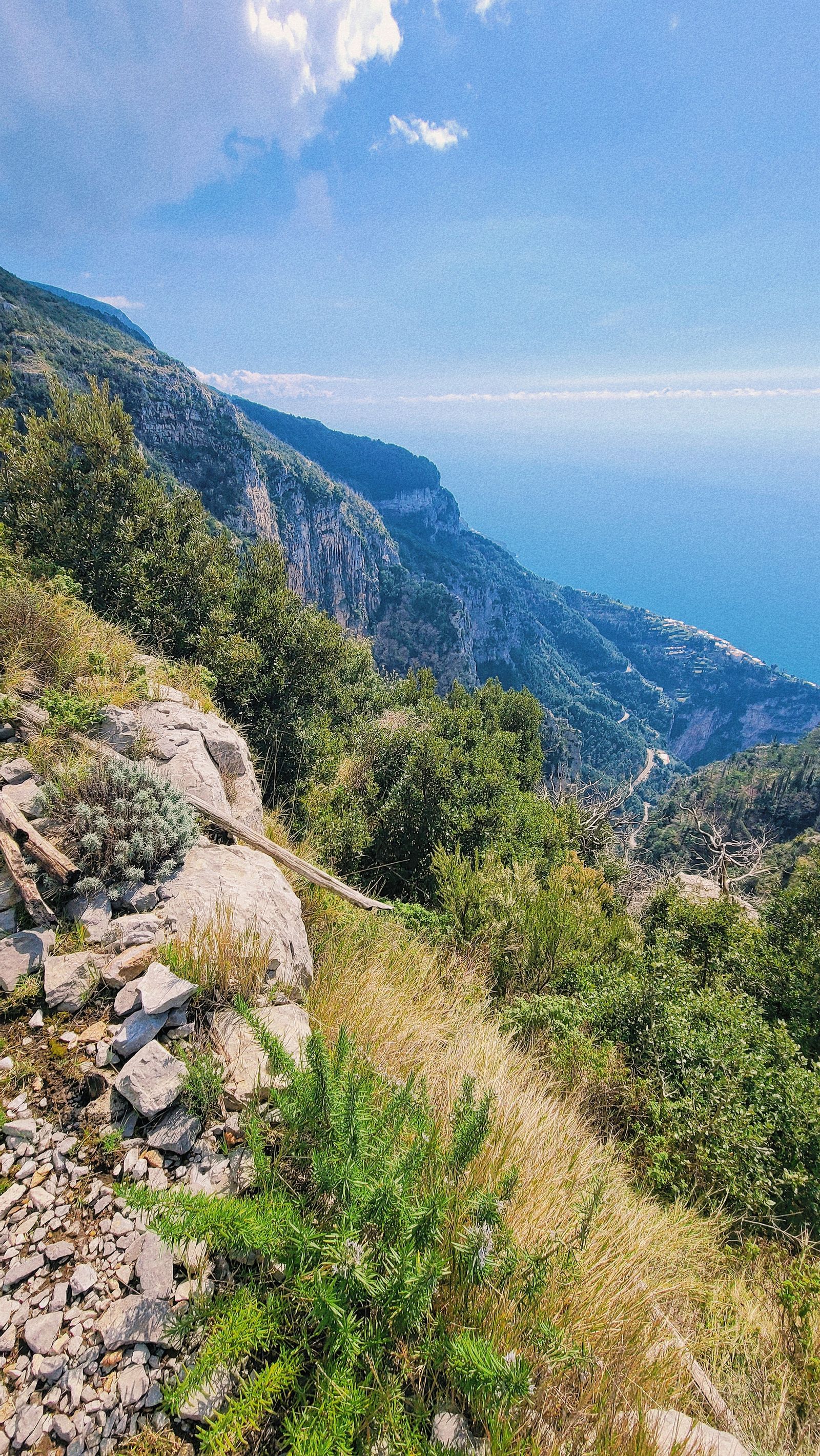
Photo: Pexels contributor / Pexels
Four to six nights covers a coastal base, a Capri day, and time for Ravello or a hike without rushing. Add a Sorrento buffer if flights arrive late into Naples.
Yes if Capri is a priority. Day trips work, but evenings after the ferries leave change the island completely.
Usually not for peak summer on the coastal highway. We typically arrange private drivers and ferries, and we confirm any seasonal road restrictions for your dates rather than relying on outdated rules.
U.S. citizens can visit Italy visa-free for up to 90 days in any 180-day Schengen period, with standard passport validity rules. EES applies at external borders; ETIAS is not required yet.
As of October 2026, Italy’s U.S. State Department advisory is Level 2: Exercise Increased Caution due to terrorism (renewed September 10, 2026). Petty crime occurs on transit and in crowds. The Amalfi Coast, Capri, and Sorrento are not singled out as Level 3 or 4 areas. Read travel.state.gov and enroll in STEP.
Late spring and early autumn offer cooler hiking weather. Always verify trail status after storms.
The right base, boat days, and a honest plan for the coastal road are what turn Amalfi from stressful to unforgettable. As Fora travel advisors with IATAN accreditation and Virtuoso affiliations, the Novera Travel team will match you with hotels and experiences and look for added amenities at select properties.
Novera Travel will be happy to arrange your international flights when you’re traveling first class.
Call +1 33 22 NOVERA – +1 (332) 266-8372 or email info@noveratravel.com