Cypress-lined ridges, medieval piazzas, Brunello and Chianti Classico cellars, and countryside villas that turn dinner into the day’s main event—our advisor’s playbook for Tuscany beyond the Florence museum sprint.
Photo: Luca Micheli / Unsplash
Tuscany is the Italy many travelers picture before they pack: rolling clay hills, stone farmhouses, and hill towns where the evening passeggiata still matters. Chianti’s vineyards, the Val d’Orcia’s postcard roads, Siena’s shell-shaped campo, Montalcino and Montepulciano’s wine lanes, and Lucca’s tree-topped walls each reward slow days rather than checklist days. This guide goes deep on the countryside and hill towns. For Florence’s museums, Duomo climb, and city pacing, use our Italy travel guide and treat Florence as a gateway or a separate chapter, not a duplicate deep dive here.
We plan Tuscany around villa or agriturismo bases, private drivers for wine roads, and enough nights that lunch can run long. High-speed rail delivers you to Florence or Pisa; a car or driver takes over once the hill towns begin. The result is a trip that smells like olive oil and tastes like pici, not like ticket queues alone.
Our take: May, June, September, or early October for the classic countryside trip. Add Florence city nights before or after using the Italy guide’s museum advice.
Sleep in the countryside and day-trip to Siena, Chianti towns, or Val d’Orcia villages. A pool and a kitchen change the rhythm of the trip; dinners can stay on the property or wander into a nearby town. This is our most requested Tuscany style for couples and multi-generational groups.
Drivers who know ZTL limited-traffic zones keep you out of automatic camera fines in historic centers. You taste wine without designating a driver in your own party, and parking stress disappears in Montalcino or Montepulciano’s steep lanes.
Arrive by train, spend museum nights in Florence using the Italy guide, then collect a car or meet a driver and slow down among the vines. Do not try to “do Florence museums” from a distant villa every morning—the logistics punish the art.
Chianti Classico, Brunello di Montalcino, and Vino Nobile di Montepulciano can fill a week without repetition. We pace tastings so afternoons stay pleasant and evenings stay about food, not another spit bucket.
Italy is in the Schengen Area. Confirm with the U.S. Department of State and your airline before you go.
Travel advisory: As of October 2026, the U.S. State Department rates Italy at Level 2, “Exercise Increased Caution,” due to terrorism (renewed September 10, 2026). Petty crime occurs on transit and in crowded tourist areas. There are no Level 3 or Level 4 sub-areas covering Chianti, Val d’Orcia, Siena, Lucca, or the southern wine towns in the current advisory. Please read the full advisory on travel.state.gov and enroll in STEP before you depart.
Stone houses with pools, olive groves, and kitchen gardens define the dream. Styles range from simple agriturismo hospitality to fully staffed villas. Ideal for families and groups who want space and sunset views over the vines. We match property style to your group without leaning on brand names.
Small inns and restored manor houses put you among Classico vineyards with restaurant destinations nearby. Best for couples who want walkable cellar visits and long lunches without a long daily drive.
Sleep inside or beside the walls if Siena’s campo and cathedral are the emotional center of the trip. Evenings after day-trippers leave are half the reason to stay overnight.
Lucca’s walls and nearby Versilia or Garfagnana landscapes suit travelers combining Tuscany with Cinque Terre or a coastal add-on. A different green than Val d’Orcia, still unmistakably Tuscan.
Advisor tip: As Fora advisors with IATAN accreditation and Virtuoso affiliations, we can often add amenities at select hotels and villas—breakfast, upgrades when available, or property credits—that independent booking will not include.
The Val d’Orcia is the postcard: cypress-lined roads, cone-shaped hills, and UNESCO-listed cultural landscape that still works as farmland. Towns such as Pienza, San Quirico, and the approaches to Montalcino sit inside this bowl of light. Standout experience: Time a golden-hour drive with a driver who knows which pull-offs are safe, then dine on pecorino and pici in a medieval piazza as the sky turns pink.
Spring greens and autumn golds each photograph differently; summer wheat fields shimmer in the heat above the clay. The region rewards unhurried loops rather than a single Instagram stop beside a cypress row. We build days that mix one famous viewpoint with an unhurried lunch and a cellar or thermal pause so the landscape stays a feeling, not a checklist of coordinates.
Stay nearby if Val d’Orcia is the heart of your trip—day-tripping from Florence burns hours you would rather spend watching light move across the clay hills. Early mornings and late afternoons beat midday tour buses for empty roads and softer shadows on the cypress rows that define every postcard of this valley.
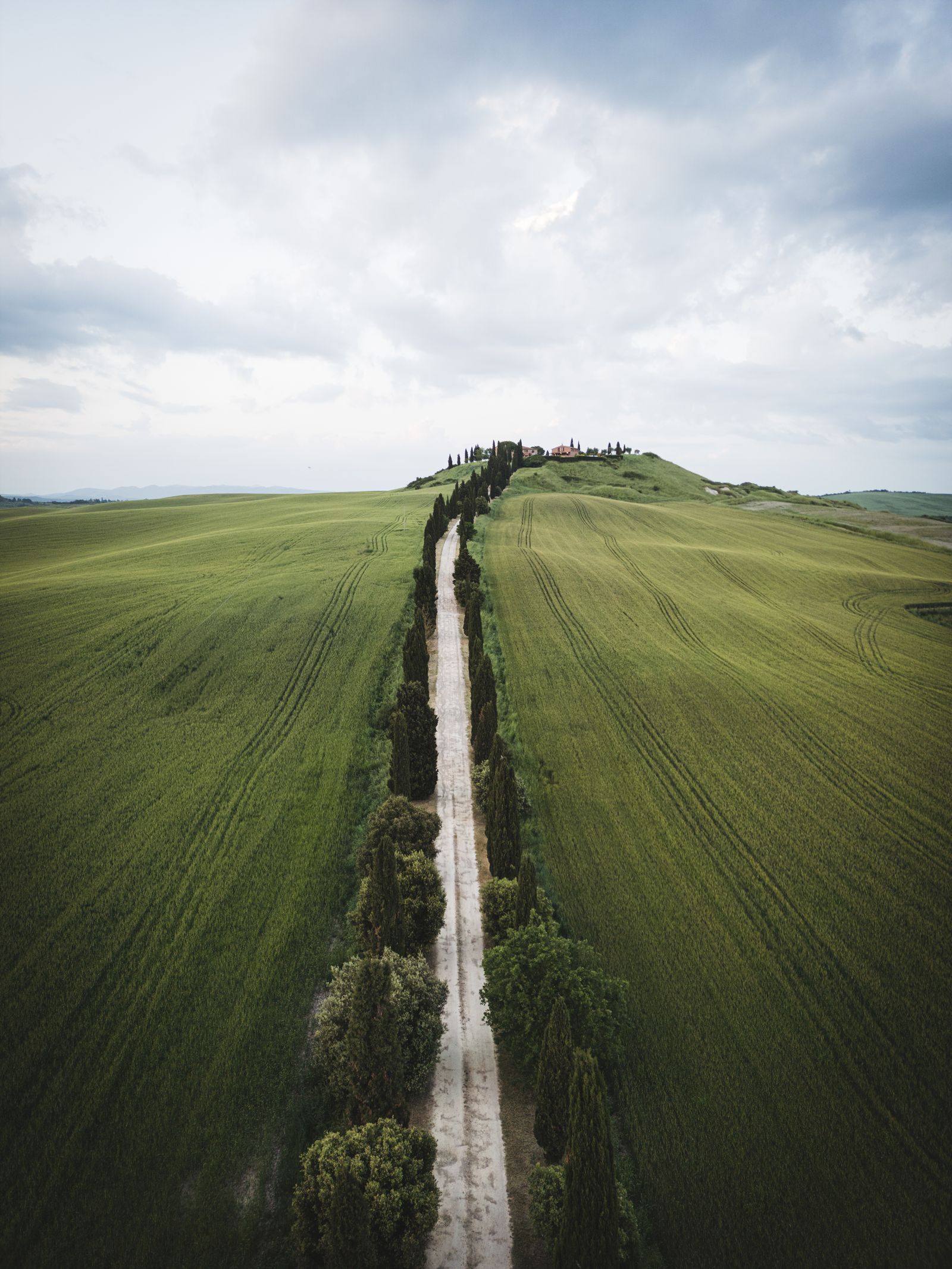
Photo: Pexels contributor / Pexels
Chianti Classico country stretches between Florence and Siena in a quilt of vineyards, stone villages, and forested ridges. Greve, Radda, Castellina, and smaller lanes hide family cellars and butcher shops that still take bistecca seriously. Standout experience: Spend an afternoon at a family winery tasting Sangiovese-driven wines, then linger over lunch where the olive oil is pressed a short drive away.
The black rooster seal marks Classico bottles, but the pleasure is as much hospitality as appellation rules. Some days are about a single great estate; others are about wandering a market town and letting the next glass find you. We pace Chianti so you are not tasting through dinner hour and so someone else handles the winding roads back to the villa.
Chianti pairs naturally with a Florence opener or a Siena overnight. It is close enough for a long day trip and rich enough for three nights if wine is the point. Tell us whether you want famous names, tiny producers, or a mix, and whether food allergies or preferences should shape the lunch reservations we place beside the tastings.

Photo: Unsplash photographer / Unsplash
Siena’s striped cathedral and fan-shaped Piazza del Campo are the civic heart of a city that once rivaled Florence. The Duomo complex, with its marble floors and unfinished expansion dreams, deserves a guided morning before the campo claims your afternoon. Standout experience: Climb or view the Torre del Mangia outlook when tickets allow, then claim a campo-edge seat for an aperitivo as the brick shell fills with evening walkers.
Palio season in early July and mid-August transforms the city with neighborhood pageantry and packed campi; brilliant if you want energy, intense if you want quiet museum pacing—tell us which trip you are booking before we hold rooms. Off-season Siena feels intimate, with side streets that still belong to locals between the gelato shops and ceramic studios along the quieter lanes.
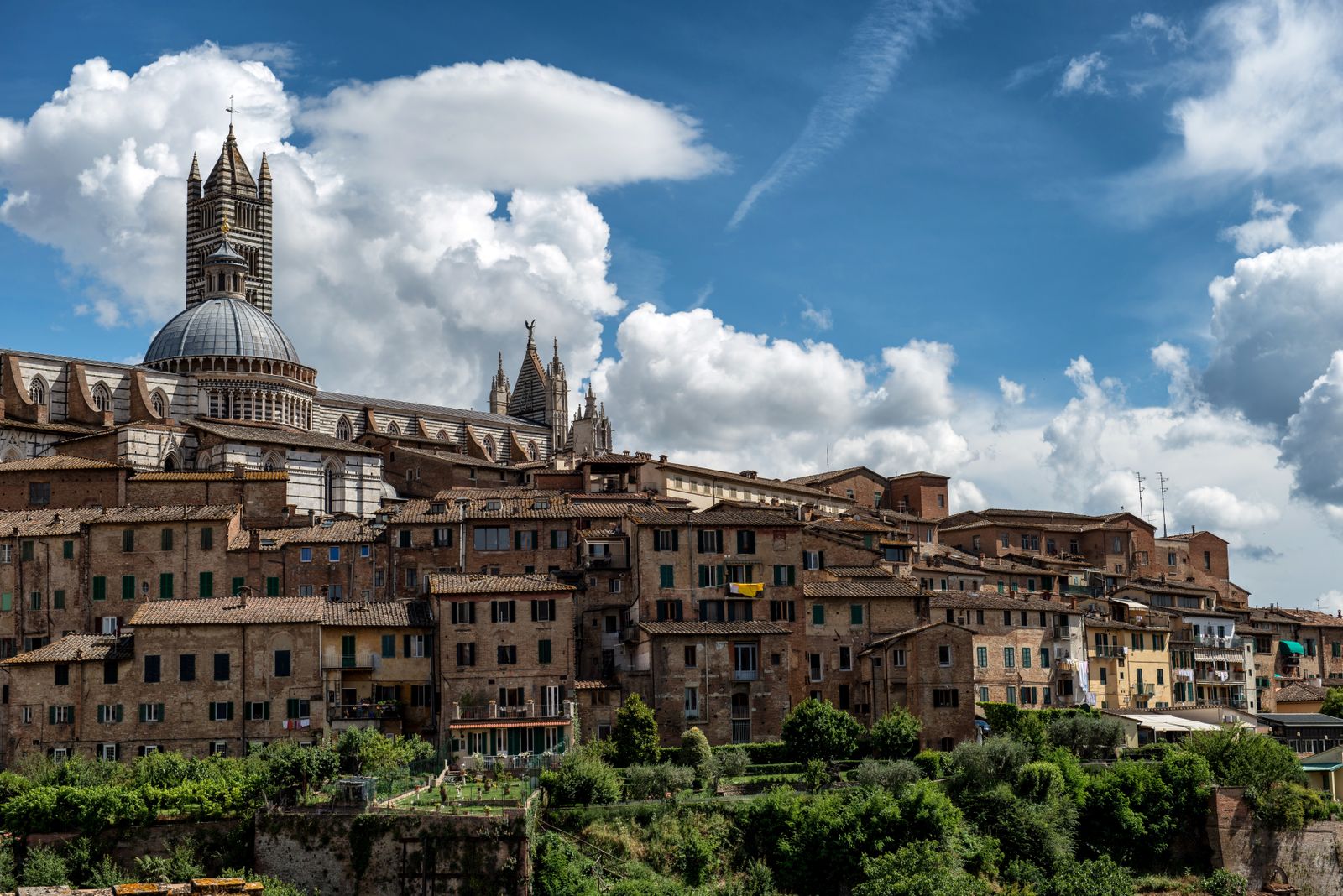
Photo: Pexels contributor / Pexels
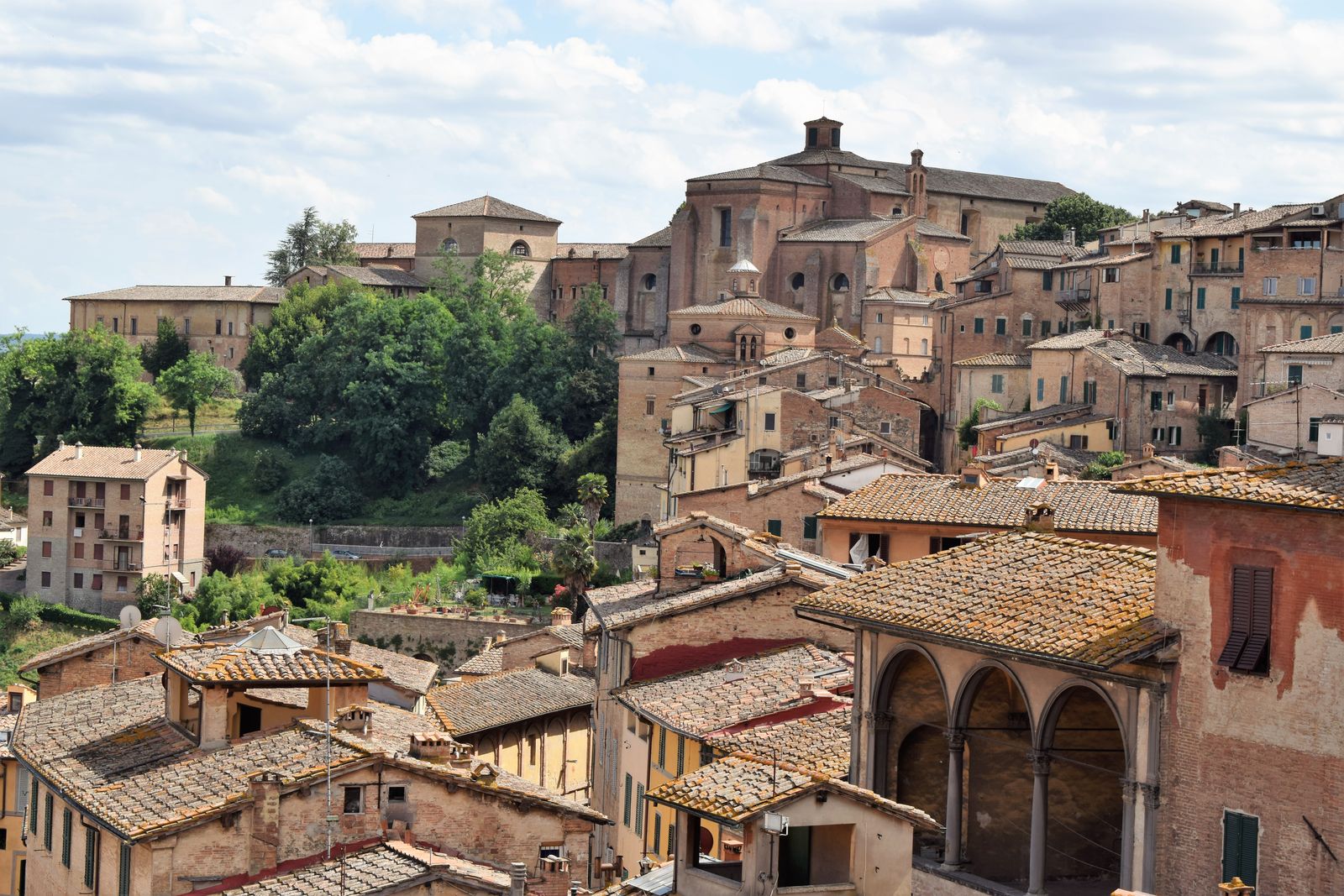
Photo: Pexels contributor / Pexels
The brick tower above the campo is a vertical exclamation point over a city built of warm clay tones. From upper viewpoints the rooftops spill toward the countryside, a reminder that Siena was never only a square. We recommend an overnight so you see the campo after day coaches leave and so dinner can be a proper Tuscan evening rather than a race back to Florence.
Museum tickets and cathedral floor openings vary by season; we confirm what is viewable for your dates rather than promising a static checklist copied from last year’s brochure alone. Comfortable walking shoes matter on Siena’s slopes, and a driver drop at the edge of the ZTL saves the parking drama that spoils too many self-drive days into the historic centro.
Montalcino crowns Brunello country; Montepulciano stretches along a ridge above Vino Nobile vineyards that spill toward the Val d’Orcia light. Both reward walking the main streets, ducking into cellars, and looking out over a countryside that still looks hand-drawn from above. Standout experience: Taste Brunello or Vino Nobile at a family estate in the afternoon, then watch sunset from a rampart walk when the fields turn amber.
These towns are close enough to combine carefully in a long day, better as separate half-days if wine is the priority and you want time to walk the walls. Lunch in either hill town can be the memory that outlasts any single tasting note written in a cellar book. We avoid stacking too many estates in one afternoon so palates—and conversations—stay sharp until dinner.
Val d’Orcia surrounds much of this wine landscape, so photography and cellar time naturally combine on the same looping drive. If you only have one southern Tuscany day, we will help you choose Brunello or Vino Nobile focus rather than blurring both into a rushed blur of corks, spit buckets, and car parks.
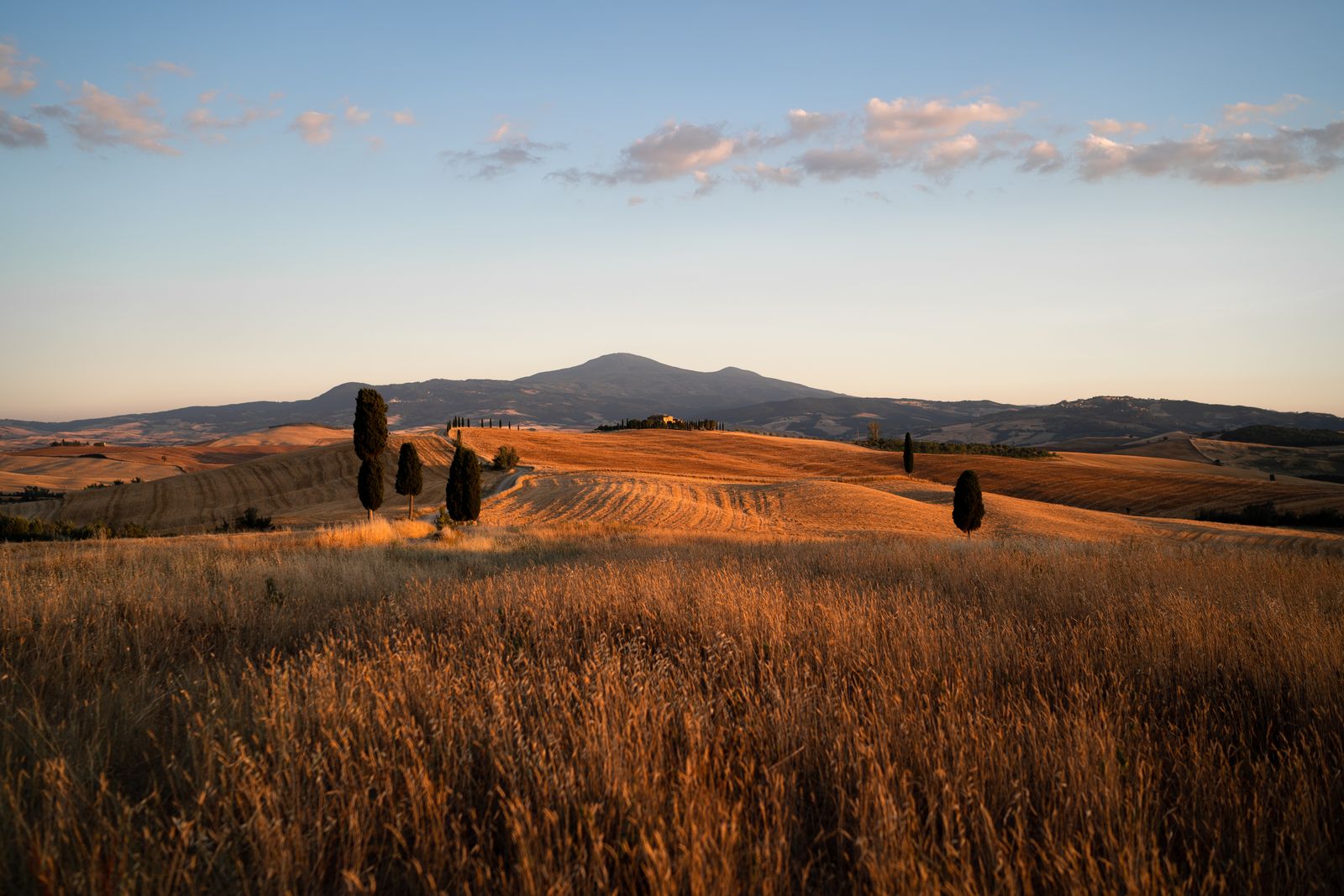
Photo: Pexels contributor / Pexels
Lucca is a different Tuscany: fully walled, bicycle-friendly on the ramparts, and filled with churches and piazzas that feel lived-in rather than staged. The Guinigi Tower’s rooftop trees are the quirky postcard; the real pleasure is circling the walls at dusk. Standout experience: Rent bikes or walk a full wall circuit, then descend for dinner inside the centro where Lucchese cuisine holds its own against Chianti fame.
Northern Tuscany links easily toward the coast or the Garfagnana mountains if you want hiking after a stretch of hill towns and vineyards. Lucca also works as a gentler city base than Florence for travelers who still want urban walkability without museum intensity every morning. We place it when the itinerary leans west or when clients ask for a town that feels local by breakfast time.
Day trips to Lucca from Florence are possible on a fast regional train or with a driver; overnights are better if the walls and evening piazzas are a highlight of your week. The surrounding hills and villas add countryside options without requiring a full Val d’Orcia transfer if your route already sits in the north of the region.
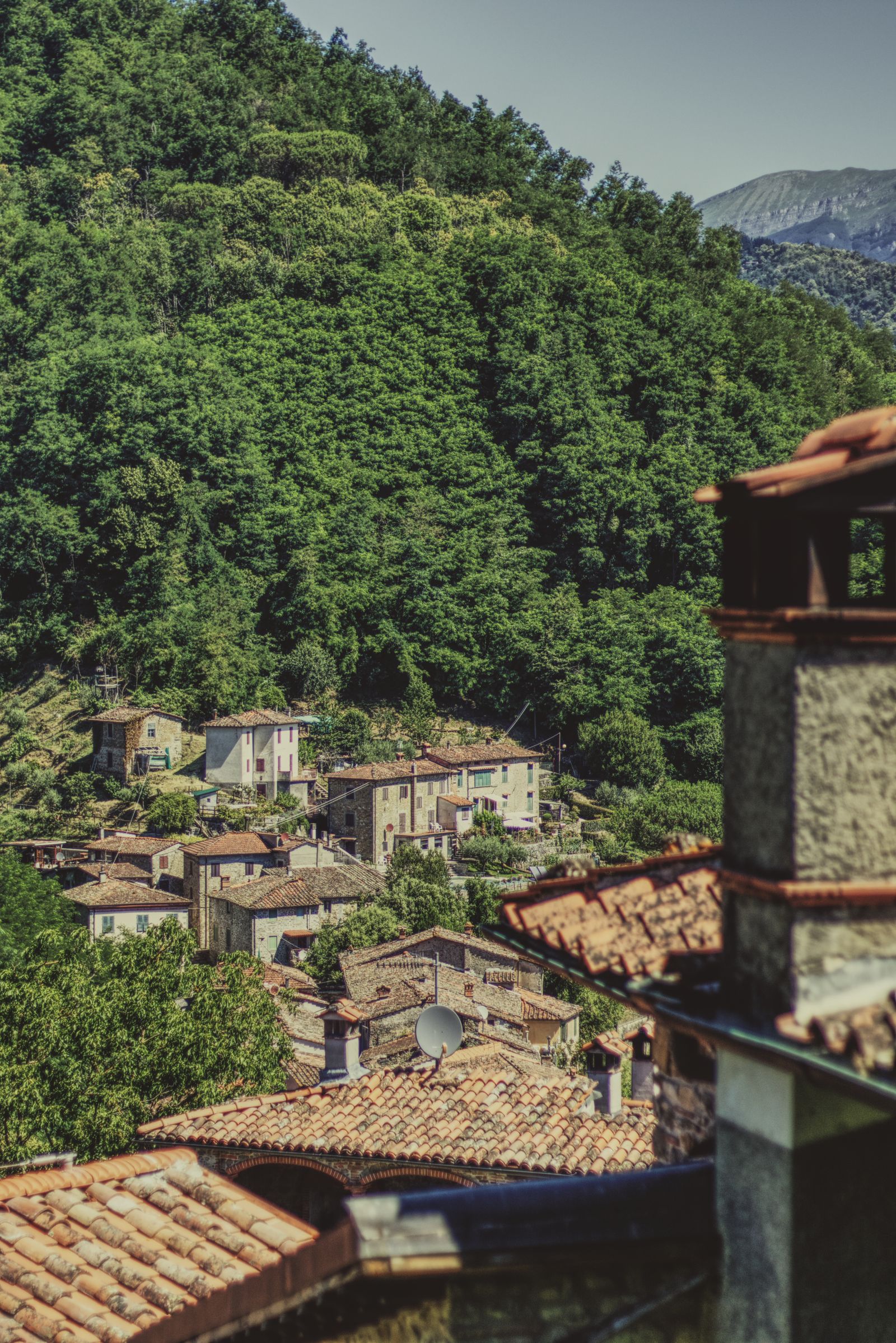
Photo: Pexels contributor / Pexels
A villa week is less about ticking towns and more about letting mornings start late beside a pool that looks over cypress and vines. Some stays are simple farmhouses with honest kitchens; others are staffed houses where dinner appears as the light falls. We match the style to your group—privacy, pool safety for children, wedding-party scale, or couple’s quiet—without turning the page into a branded catalog.
Grocery runs to market towns, a single great restaurant reservation, and one big wine day often beat a packed itinerary. The countryside teaches you to measure the trip in lunches and sunsets. Ask us early about chef services, grocery stocking, and which hills have the views you saw in the photos that started this dream.
Even without a full villa, agriturismo inns deliver a taste of the same rhythm: breakfast with homemade cakes, a walk among olives, and a host who points you to the better road to Pienza. Either way, Tuscany’s gift is permission to slow down after Florence’s intensity—and our job is to protect that permission in the itinerary.

Photo: Unsplash photographer / Unsplash
Five to seven nights after any Florence city stay lets you settle into a villa rhythm and see Chianti plus Val d’Orcia without rushing. Three to four nights works for a focused Chianti or Siena chapter.
A car or private driver makes sense for countryside Tuscany. Skip self-driving into historic ZTL centers; park outside or use a driver who knows the cameras.
Only as a gateway. For museums and city pacing, see our Italy travel guide.
U.S. citizens can visit visa-free for up to 90 days in any 180-day Schengen period, with standard passport validity. EES applies at external borders; ETIAS is not required yet.
As of October 2026, Italy’s U.S. State Department advisory is Level 2: Exercise Increased Caution due to terrorism (renewed September 10, 2026). Petty crime occurs on transit and in crowds. Chianti, Val d’Orcia, Siena, Lucca, and the southern wine towns are not listed as Level 3 or 4 areas. Read travel.state.gov and enroll in STEP.
Roughly September into October for many Tuscan reds, with exact timing varying by year and hillside. We confirm cellar hospitality hours for your dates.
The right villa or hill-town base, a thoughtful wine pace, and a clear split between Florence museums and countryside days are what make Tuscany sing. As Fora advisors with IATAN accreditation and Virtuoso affiliations, the Novera Travel team will match you with stays and experiences and look for added amenities at select properties.
Novera Travel will be happy to arrange your international flights when you’re traveling first class.
Call +1 33 22 NOVERA – +1 (332) 266-8372 or email info@noveratravel.com